


 Shkruar nga Pamfleti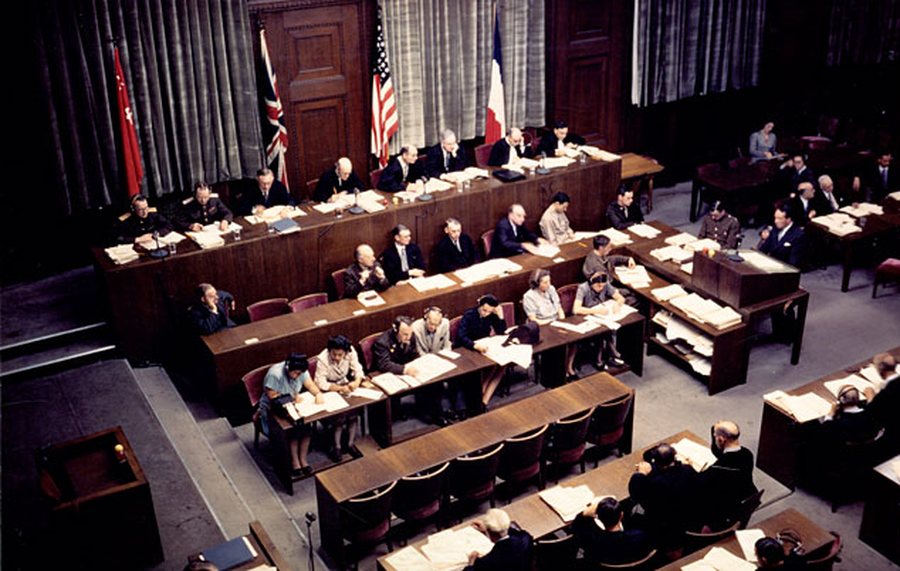
The legal texts supporting a new court are expected to be signed at a summit in Strasbourg at the end of March.
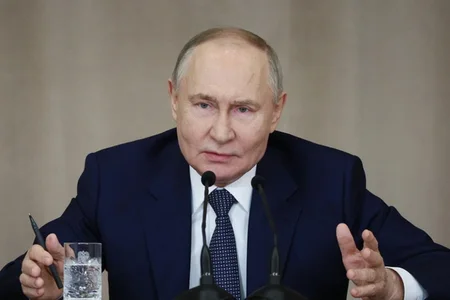
A legal model for the creation of a new 'Nuremberg'-style tribunal to bring to justice Vladimir Putin and others suspected of involvement in the planning and execution of alleged crimes of aggression in Ukraine has been finalised, the Council of Europe has revealed.
The legal texts supporting a new court are expected to be signed at a summit in Strasbourg at the end of March, the culmination of work over 14 meetings of representatives of 40 countries in the Council, including all EU states except Hungary.
At the same time, the CoE is working on a separate path for justice for the hundreds of thousands of victims of the war of aggression that will likely be called the Claims Commission.
CoE director Jörg Polakiewicz told a conference in Dublin that the court was an important step that would be based on the Nuremberg charter, which allowed the Nazi leadership to be tried after World War II.
Ad hoc tribunals have been set up in the past to deal with war crimes under the auspices of the UN security council, but this was not an option regarding Ukraine due to Russia's veto at the UN.
" It would be a continuation, it would be based on the Nuremberg precedent. And I think that's also why this court is so important, and Ukraine is also arguing for it so much, because when you look at Russia the importance of Nuremberg. They were the victors then, and the trial of the Nazi leadership for the Russian leadership was extremely important, and now to see their leadership being tried in an international court, I think that's also a very important symbolic measure ," Polakiewicz said at a conference at Dublin City University on the role that the Council of Europe will play in pursuing justice and accountability in Ukraine.
A meeting will be held next week, the 14th of its kind, to review the final text with representatives of the 40 major states involved in the court's genesis meeting in person to sign the text on March 19.
It will then have to be approved by each state with the text of a bilateral treaty to follow, possibly in May, with Kiev, experts said.
If the court were accepted, it would absorb the work of the International Centre for the Prosecution of the Crime of Aggression (ICPA) set up in The Hague two years ago in cooperation with the European Commission, Ukraine and the US, Polakiewicz said./ Adapted from “Pamphlet” by “The Guardian”



Lini një Përgjigje