


 Shkruar nga Pamfleti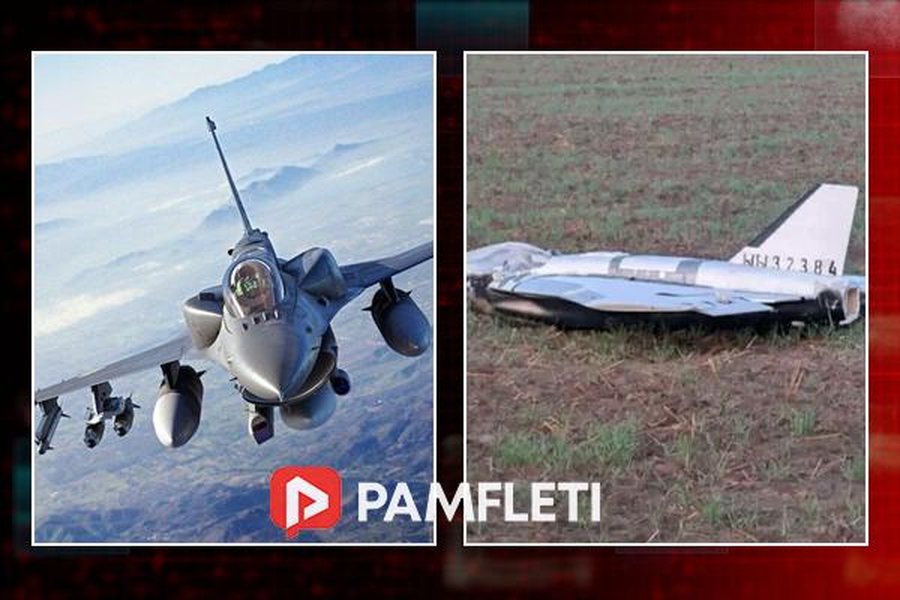
Moscow's drones and the failure of the old NATO system...
Just days after NATO flights over Poland and the wails of air raid sirens shook the quiet nights of a late summer in the country's east, a big question is dominating the strategic discussion in Europe: was this a deliberate provocation by Russia, and what does NATO's military response indicate about its long-term readiness?
According to Polish authorities, Russia sent more than 20 drones into NATO airspace, a cheap and effective test of the alliance's capabilities. The captured drones, the "Gerbera" type, were built from simple materials like plywood and Styrofoam, commonly used as radar decoys - and cost around $10,000 each.
Meanwhile, the aircraft that NATO deployed to intercept them, the F-16 and F-35, cost millions and consume tens of thousands of dollars just to get into the air. This is the essence of the problem being raised today at NATO headquarters: the cost of defense is much greater than that of attack.
Security expert Robert Tollast of the British think tank RUSI summed it up clearly: “Cost asymmetry doesn’t work.” NATO can respond to major drone attacks, as it successfully did against the Iranian attack on Israel in April, but the price tag of defense, at over $1 billion, is simply unsustainable.
This shows that, before the war in Ukraine, Western technology had not anticipated the asymmetric threat posed by drones. Although the military technology sector has already produced effective solutions, NATO's old bureaucracy is not keeping pace with modern threats.
Johannes Pinl, head of the British company MARSS, calls NATO's military procurement system outdated: "They're still in the 80s." He points to their artificial intelligence-powered interceptor drone, with a titanium frame that "cuts like a knife in the air," but which is still awaiting approval for testing by a NATO member state. Meanwhile, MARSS has been using this technology in real operations for years.
While NATO moves slowly, countries supplying Ukraine with new technology do so through a “political highway.” According to Siete Hamminga, head of Robin Radar Systems, if a country requests equipment for Ukraine, it gets it immediately. If it requests it for itself, it has to go through lengthy procedures, which often become an obstacle to real national defense preparation.
However, Ukraine has served as a testing ground for new technologies, and it is paying off. The Portuguese-based company Tekever has sold over $350 million worth of drones to the UK since 2022. The RAF has integrated them into its new StormShroud electronic warfare system in just six months. A pace that clearly represents the model of wartime innovation.
The new head of the British Armed Forces, Richard Knighton, has called for a radical change: “To act with the speed that the times demand, we must change our relationship with industry and innovate at the pace of a war.”
In the same spirit, the Latvian company Origin Robotics is developing new mechanisms of cooperation with the state, driven by proximity to Russia and the sense of imminent threat.
Essentially, the risk is not only that Russia will attack with cheap drones, but that NATO will not have the will, flexibility and vision to effectively defend its airspace, without going bankrupt. / Adapted from "Pamphlet" by "CNN"







Lini një Përgjigje