


 Shkruar nga David Brooks
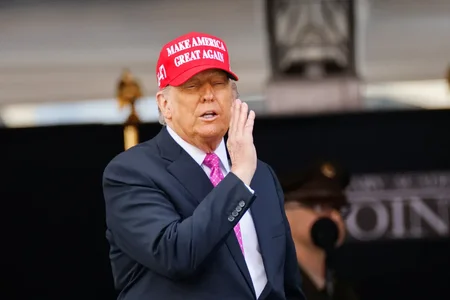
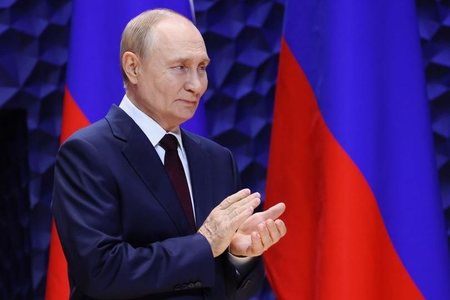
Performing artists. People like Trump and Putin are not politicians; they are artists who create alternative realities. They tell stories, invent alternative facts, stage everyday dramas, construct ugly trials.
I feel like I've spent a lot of my life reading bleak studies on authoritarian personalities. These are written by people like me who despise authoritarianism and are filled with well-known psychological diagnoses.
The authoritarian comes from a loving family; he is driven by hidden insecurity; he is a psychopath who does not feel the pain of others. But these studies never tell you how authoritarians see themselves.
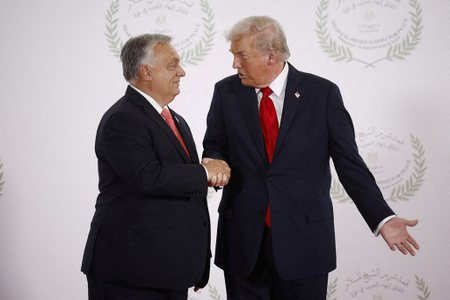
Giuliano da Empoli's novel "The Kremlin Wizard," narrated in the voice of one of Vladimir Putin's advisors, helped me understand the psychology of authoritarian power as much as any other study, and not just inside Putin's mind, but also inside the minds of Donald Trump, Xi Jinping, Narendra Modi, Nayib Bukele, Elon Musk, Mohammed bin Salman, Benjamin Netanyahu, Viktor Orban, and the rest of the global pack of authoritarian wolves.
Last month da Empoli, an Italian-Swiss essayist, followed this up with a non-fiction book, “The Hour of the Predator,” which describes both the wolves who run governments and those who run technology companies.
Here are some things I've learned about how authoritarians exercise power.
Performing artists. People like Trump and Putin are not politicians; they are artists who create alternative realities. They tell stories, invent alternative facts, stage everyday dramas, construct ugly trials and reinvent religions, they construct a world. In their world, people who felt humiliated are now dominant and doing the humiliating. Russia felt humiliated by the West in the 1990s.
Many working-class American voters have felt humiliated by coastal elites for decades. People support an authoritarian not because they like this or that policy, but because they embrace the authoritarian's artistic vision.
Performance artists like Trump and Putin can be dishonest, offensive, and outrageous, but there's one rule: They must never be boring.
Warriors and bureaucrats. In the minds of authoritarian wolves, history is a war. It is not between left and right or rich and poor; it is between warriors and the little ones. Warriors see themselves as the strong, the men and women of steel, the masters of aggression.
The fighters know each other, AfD in Germany; Jair Bolsonaro in Brazil. There is a hint of the wild animal about them: no rules, no boundaries, just the law of the jungle.
Bureaucrats, in their eyes, are PowerPoint people who went to law school (like every Democratic presidential candidate since 1980), weaklings who are isolated in fancy conferences and don't have to face brutal reality.
One of Trump's political strengths, da Empoli notes in his new book, is that he is never seen reading a book. Experts don't understand anything, and he despises them.
In "The Kremlin Wizard," a character says of Putin: "He never mentions numbers. His language speaks of life, of death, of honor, of country."
We like everyday clothes and we don't like grand halls decorated with gold leaf. The wolf, on the other hand, restores verticality. He is above you, in a grand palace, in a large office, commanding others and dominating those below him.
What do people want when terrorist attacks occur, when inflation permeates the economy, when the world is in turmoil? Authoritarians understand that they will rush to anyone who will restore order, authority, hierarchy, and control. As da Empoli writes: “Vertical power offers the only satisfactory answer, the only one that can calm man’s anxiety when exposed to the savagery of the world .”
The wolf centralizes power and generates fear among those around him. He plays endless games of dominance. His followers rise and fall at his whims. He never admits to being wrong. He is unpredictable because nothing subdues people as quickly as the threat of random punishment.
Any technocrat can do the expected thing, but the wolf is the master of reckless actions: Putin invades Ukraine. Trump declares a trade war on the world. The human brain is programmed to focus on the unexpected, so you can never get away.
Clarification of acts of violence
The wolf must show that he is the great protector. This means that he must show that he is fiercely destroying the forces of evil, and if the forces are not large or threatening enough, he must exaggerate them.
Putin built his power by attacking Islamic terrorists from Chechnya. Trump goes after immigrants and suspected drug smugglers from Venezuela.
Anger management and encouragement
There is always a high level of anger and dissatisfaction in any society. The wolf needs to find the right culprits to manage and direct that anger. Putin turned on the oligarch Mikhail Khodorkovsky because the people didn't like oligarchs. Trump turned on Musk because who really likes a guy who just got a $1 trillion paycheck?
Splendor
In the minds of wolves, the elites of the information age have shrunken souls. They are trained to be pragmatic, utility-maximizing drones. They offer voters materialistic treats, a tax credit here, a student loan program there. Wolves see themselves as those who have not forgotten how to be human beings.
They talk about greatness. They believe that people want to experience companionship and strength. They offer these people a release from insignificance, dreams of glory and honor. Mother Russia. Make America Great Again. A Chinese Century. Glory to God.
Throughout this article I have called authoritarians wolves. I say it as an insult, predators who are destroying the world. But authoritarians take it as a compliment. They know they are wolves! But they believe that the world needs wolves to protect good and honest people from the ruthless and decorated people who are their real enemies.
And here's how authoritarianism feeds on itself: The more wolves there are in the world, the more each nation needs to find its own. / Adapted from "Pamphlet", taken from "New York Times"





Lini një Përgjigje