


 Shkruar nga Pamfleti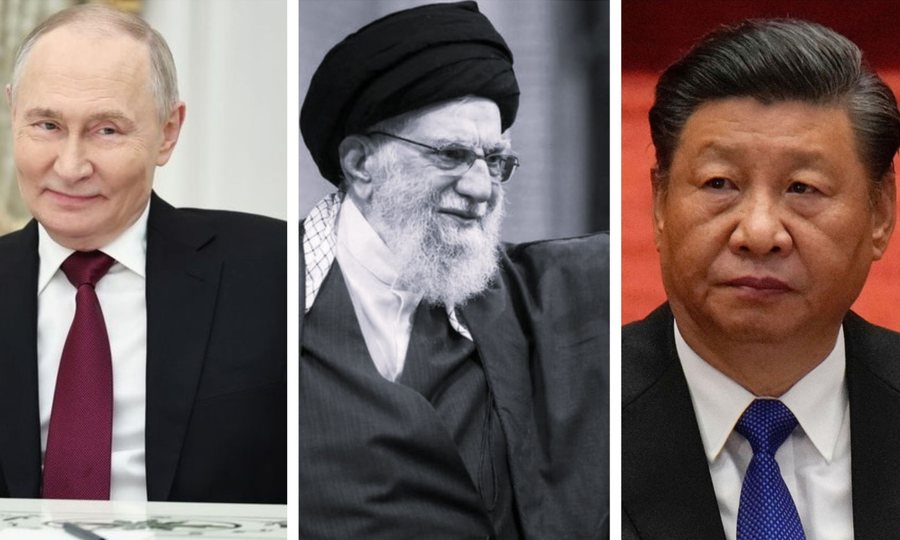
Moscow and Beijing have left Iran powerless, while Donald Trump shows off American military might...
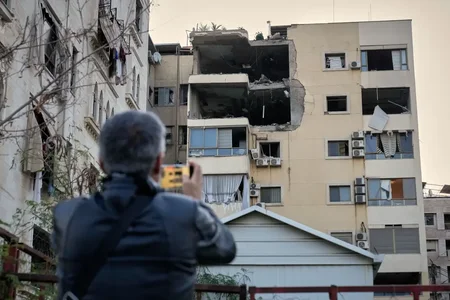
The world needed only a minute to change. Within the first 60 seconds of Operation "Epic Fury," Israeli officials claimed, Iran's supreme leader and his close associates were dead.
But the precision missiles that struck central Tehran in the first wave of attacks didn't just kill Ayatollah Ali Khamenei and upend half a century of Iranian history. They also reminded us of a more fundamental truth: where real power in the world still lies.
Much has been written in recent years about "multipolarity," the idea that emerging powers have regained some of the dominance that the United States unilaterally exercised after the Cold War.
These views are not without foundation. China's industrial power and its control over critical raw material chains are challenging Washington's economic supremacy. Emerging middle powers have ensured that the United States no longer enjoys undisputed influence in any region.
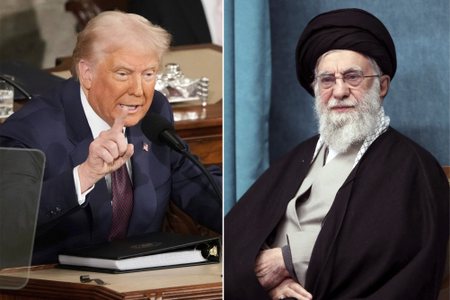
But when it comes to military power, the United States still dominates, as Donald Trump has repeated many times since returning to the White House. Whether or not he is “the greatest president in American history,” as he sometimes declares, Trump is certainly one of the most decisive. Few of his predecessors have wielded strong power with such unabashed directness. In the space of two months, he has toppled two leaders on two continents: Nicolas Maduro in Venezuela and Khamenei in Iran.
How Trump crushed the ambitions of Russia and China
Unlike Theodore Roosevelt, Trump “talks loud” and openly wields the “big stick.” For nearly two decades, China and Russia have tried to build a global alliance to limit American hegemony. With Trump undermining these ambitions, Moscow and Beijing have been reduced to difficult demarches, watching their regional allies weaken.
After Khamenei’s death, Russian President Vladimir Putin expressed “deep condolences,” condemned a “cynical murder that violates every principle of human morality and international law,” and spoke of the loss of “an outstanding political leader.” The message did not go unnoticed by powerful leaders who depend on Russian support: when the missiles start falling, Moscow can offer little more than words of comfort.
Për momentin, Trump po shijon triumfin e tij, pasi i ka tronditur kritikët e tij dhe ka përmbysur rendin e vendosur. Ndërsa vrasja e Khameneit nuk është fundi i histories, Lindja e Mesme i ka shndërruar vazhdimisht fitoret perëndimore në hi, fazat e hershme të kësaj lufte kanë arritur tashmë atë që shumë e mendonin të pamundur .
Udhëheqësit iranianë, thanë analistët, duhet të kishin mësuar nga e kaluara. Vitin e kaluar, në një luftë 12-ditore, Izraeli vrau të paktën 20 zyrtarë të lartë dhe shkencëtarë bërthamorë, ndërsa një vit më parë eliminoi udhëheqësin dhe udhëheqjen e lartë të Hezbollahut në Liban.
Burime të brendshme në regjim i përshkruan masat e sigurisë rreth Khameneit dhe bashkëpunëtorëve të tij të ngushtë si "shumështresore dhe të padepërtueshme". Ata lëviznin nëpër një rrjet shtëpish të sigurta, nuk përdornin asnjë pajisje komunikimi të gjurmueshme dhe kryenin spastrime dhe ekzekutime për të mbyllur rrjedhjet e informacionit që dikur i kishin lejuar CIA-s dhe Mossadit të infiltronin regjimin.
Çdo përpjekje për ta gjurmuar dhe eliminuar atë konsiderohej se kërkonte një operacion të gjatë dhe të rrezikshëm, si në Libi në vitin 2011, ku u deshën shtatë muaj bombardime të NATO-s për të gjurmuar dhe vrarë Muamar Gadafin.
Çfarë ndryshoi në efektivitetin e SHBA-së krahasuar me Libinë?
Dy faktorë shpjegojnë pse Shtetet e Bashkuara ishin shumë më efektive këtë herë. Së pari, në Libi, ato kishin zgjedhur të “udhëhiqnin nga prapa”. Barack Obama, i etur për të shmangur imazhin e një lufte tjetër amerikane në Lindjen e Mesme, i lejoi Britanisë dhe Francës të udhëhiqnin sulmet ajrore, vetëm për të zbuluar se atyre u mungonte fuqia për të triumfuar shpejt.
Trump, nga ana tjetër, nuk beson në aleanca të gjera, por vetëm në bashkëpunim me Izraelin. Siç konsiderohet praktikë standarde tani, ai nuk i informoi ose nuk u konsultua me aleatët e tij evropianë përpara se të sulmonte Iranin. Për të, legjitimiteti ndërkombëtar dhe ndarja e rrezikut janë koncepte dytësore.
Faktori i dytë është informacioni. Aftësitë amerikane tani janë pakrahasueshëm më të sofistikuara sesa ishin në vitin 2011. Përveç mbledhjes së inteligjencës, Uashingtoni tani përdor infiltrimin kibernetik, inteligjencën artificiale dhe dronë me rreze të gjatë veprimi që mund të identifikojnë një person nga ecja, zëri ose gjurmët elektronike të gishtërinjve përpara se të lëshojnë të ashtuquajturat "raketa Ninja ", të pajisura me tehe çeliku të tërheqshme që shkatërrojnë me saktësi objektivin.
Fshehja, në këtë epokë, është bërë shumë më e vështirë.
Megjithatë, historia, veçanërisht në Lindjen e Mesme, paralajmëron kundër arrogancës. Kur trupat amerikane pushtuan Bagdadin vetëm në 21 ditë në vitin 2003, George W. Bush shpalli me besim fundin e luftës nën flamurin e "Misionit të Përmbushur". Por pasuan vite kaosi dhe qindra mijëra vdekje civile.
Kur do të ndihet Trump i shfajësuar?
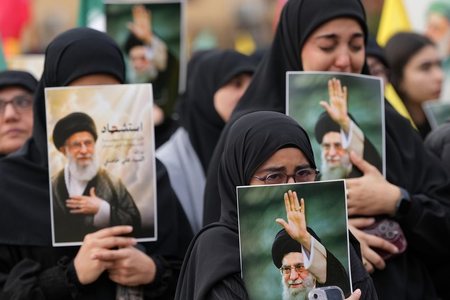
Trump cannot be exonerated until it is proven that Iran will not follow suit. Despite the successes of the initial attacks, it is by no means certain that the Iranian theocracy has suffered a fatal blow. Even as it reels from the loss of its supreme leader and senior leadership, the revolutionary system is designed to withstand such blows. It will take weeks to show how deeply it has been weakened.
Even if it collapses, Iran, a country of 90 million people, is extremely vulnerable to civil war. Kurds, Arabs, Azeris, and Baluchis all retain centrifugal tendencies and demands for autonomy. The Revolutionary Guard is unlikely to hand over power without a fight. A peaceful transition seems less likely than a violent one. Trump’s declaration that he seeks “peace throughout the Middle East” could come back to haunt him.
China and Russia are watching to see if Trump will waver. Khamenei’s death, like Maduro’s fall, has exposed the limits of their global reach. Both have refrained from supplying Iran with systems that could act as a strategic deterrent. Russia, while benefiting from Iranian drone technology, has offered only training aircraft and vague promises of manned missiles, repeatedly delaying the delivery of the game-changing S-400 and Su-35.
The risks of a possible rupture
China, while reportedly helping with fuel for ballistic missiles, did nothing substantial to bring Iran into balance. Both powers offered economic cooperation but not security guarantees that would ensure the survival of the Iranian leadership.
This division poses risks for them too. Iran supplies China with about 1.4 million barrels of oil a day, or 9% of its total consumption. If Trump achieves a “clean victory,” Beijing and Moscow will find it difficult to convince new partners that American power is declining. The informal anti-establishment coalition known as the “CRINKs” (China, Russia, Iran and North Korea) will look much less credible without “I.”
But no one thinks the story is over. Higher oil prices benefit the Russian war machine, while any standoff in Iran could erode Trump’s newfound power. If worried Gulf states accept Iranian attacks and pressure Washington to exercise restraint, American dominance in the Middle East could begin to weaken, leaving room for Moscow and Beijing to exploit the situation.
Whatever happens in Iran, Putin believes he is essentially safe. Trump may seek regime change elsewhere, but Russia is not on his list. Its leader embodies exactly the kind of authoritarian leader the American president has always admired. /Adapted from Pamphlet /


Lini një Përgjigje