


 Shkruar nga Pamfleti
For countries that depend on US defense, this should serve as a wake-up call.
The war in Ukraine overturned a fundamental assumption about great power dominance: that size and military might are enough to impose will. Ukraine demonstrated the opposite. With the right strategy, geography, and determination, a weaker state can survive and deter, and in some respects even defeat, a much larger and stronger adversary.
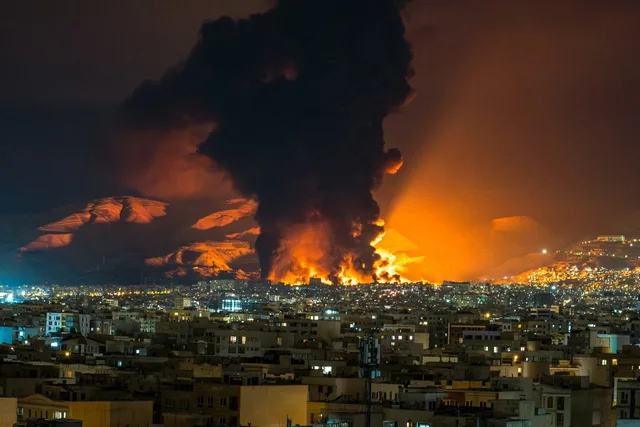
The United States now faces an uncomfortable parallel. The war with Iran is exposing similar limits to American power.
For decades, US grand strategy has been based on the belief that its unmatched military capabilities enable it to maintain global stability and influence developments in entire regions.
After the failures in Iraq and Afghanistan, as well as the situation in Iran, many Americans have come to a clear conclusion: the cost of this superiority is no longer affordable and no longer serves their interests.
A strategy that depends on military dominance everywhere, all the time, inevitably means engaging in war somewhere, all the time. America’s endless wars are no accident; they are a product of this approach. And if there is one rare point of agreement in an increasingly divided country, it is this: Americans are tired of war.
Yet, despite public fatigue, mounting economic pressure, and politicians promising to end endless wars, inertia and powerful economic interests tied to war have kept this approach largely unchanged.
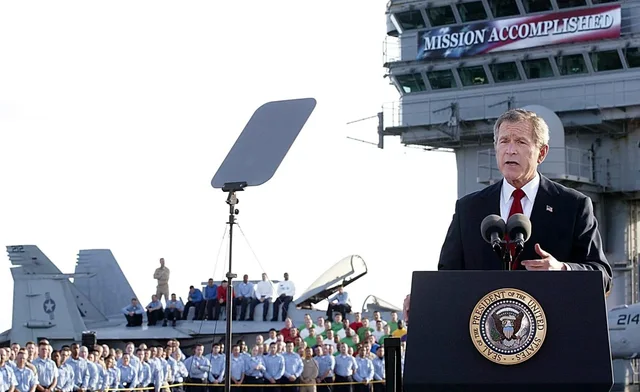
The question now is whether Trump's failure in Iran will finally break this pattern. Early signs suggest that the consequences could surpass even those of George W. Bush's chosen war in Iraq.
The US effectively won the war in Iraq in less than three weeks. Its military superiority was never in doubt. But it lost the peace, failing to stabilize the country once the insurgency began.
In Iran, however, the US has not even won the military phase of the conflict, even though it faces a much weaker conventional force.
Iran has exploited geography and asymmetric tactics to soften American power and deliver a strategic blow. Even more significantly, initial claims that American airstrikes had significantly weakened Iranian drone and missile capabilities now appear exaggerated.
The lesson is clear: control of the skies does not guarantee control of outcomes, and, without the will to deploy ground troops, and without the ability to translate air power into decisive results, American military hegemony begins to look increasingly hollow.
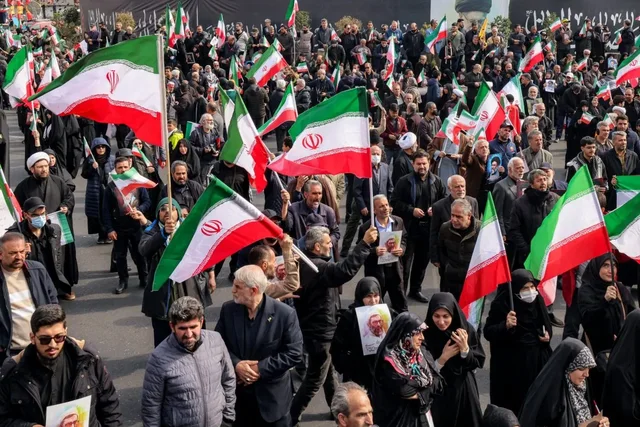
Ndërkohë, siç kanë theksuar disa ekspertë, edhe pse lufta në Irak dështoi në fund, ajo arriti objektivin e saj të menjëhershëm: rrëzimin e regjimit të Saddam Husseinit. Në Iran duket se ka ndodhur e kundërta. Në vend që të dobësojë regjimin, lufta ka gjasa ta ketë forcuar atë dhe të ketë konsoliduar kontrollin e linjës së ashpër, në një kohë kur ai dukej i dobësuar nga protestat e brendshme.
Stephen Walt, profesor në Harvard, vëren se, megjithëse lufta në Irak destabilizoi rajonin, pasojat globale të saj ishin relativisht të kufizuara. Ajo nuk shkaktoi krizë të naftës, mungesa të mëdha ushqimore apo ndërprerje të zinxhirëve të furnizimit. Irani, në të kundërt, ka tronditur tashmë tregjet e energjisë, duke çuar çmimet e naftës dhe gazit në nivele rekord dhe duke shkaktuar emergjenca energjetike në disa vende.
Ai gjithashtu mund të ketë riformësuar thelbësisht peizazhin gjeopolitik të Gjirit Persik për vitet në vijim.
Epërsia ushtarake e SHBA-së ka qenë gjithmonë një zgjedhje, jo një domosdoshmëri. Lufta me Iranin sugjeron se ajo mund të mos jetë më as një opsion i zbatueshëm. Një strategji e ndërtuar mbi dominimin e përshkallëzimit dështon kur vetë përshkallëzimi bëhet shumë i rrezikshëm për t’u përdorur. Një strategji që mbështetet në fitore vendimtare dështon kur kundërshtarët arrijnë vazhdimisht të imponojnë ngërçe.
Ajo që po shfaqet është një rend global i një natyre tjetër: jo i përcaktuar nga dominimi, por nga mohimi i ndërsjellë. Në këtë botë, fuqitë e mëdha nuk mund të imponojnë thjesht vullnetin e tyre, dhe shtetet më të vogla mund t’u rezistojnë atyre me kosto të përballueshme. Rezultati nuk është kaos, por kufizim.
Rezultati më i mundshëm i përplasjes aktuale SHBA–Iran nuk është as një marrëveshje dhe as një rikthim në luftë aktive, por një ekuilibër i zgjatur dhe i pasigurt. Edhe kjo është një shenjë e kohës.
Shtëpia e Bardhë e Trump mund të tërhiqet nga negociatat, por nuk ka gjasa të hyjë sërish në një luftë të plotë. Jo sepse SHBA-së i mungon kapaciteti, por sepse i mungon liria strategjike për ta përdorur atë.
Për vendet që varen kryesisht nga mbrojtja amerikane, kjo duhet të shërbejë si një sinjal zgjimi.
Kjo nuk do të thotë se aleancat do të shemben, por do të ndryshojnë. Vendet do të kërkojnë të balancojnë rreziqet, të diversifikojnë marrëdhëniet e sigurisë dhe t’i kushtojnë më shumë rëndësi balancave rajonale të fuqisë, në vend që të mbështeten te një garant i vetëm.
Në këtë kuptim, Irani nuk përfaqëson një thyerje, por përshpejtimin e një prirjeje që tashmë ishte në zhvillim.
Iraku dhe Afganistani zbuluan kufijtë e okupimit perëndimor dhe të ndryshimit të regjimeve. Ukraina tregoi dobësinë e forcave të mëdha konvencionale. Irani tani po nxjerr në pah kufijtë e vetë detyrimit ushtarak.
As Monica Toft argues, even smaller powers don't need a vital sea route like the Strait of Hormuz to contain a superpower in the way Iran has. All it needs is the use of terrain and geography, as in Ukraine. In short: Iran's strategy could be replicated elsewhere.
These conflicts, taken together, point towards a more multipolar world, not because new great powers have emerged, but because existing ones can no longer dominate as before.
The risk for the US is not a loss of relevance. The risk is that it continues to pursue a strategy designed for a world that no longer exists. The same is true for countries, like the UK, that have relied heavily on US military dominance. American hegemony promised control, but the war with Iran revealed its limits.
In the gap between promise and reality lies the possible end of an era. The winners will be those who adapt. /Adapted from The iPaper /


Lini një Përgjigje