


 Shkruar nga Pamfleti
As the ceasefire between the United States and Iran nears expiration, the situation in the Middle East is becoming significantly tense, with new military warnings and clashes on several fronts.
Both sides, the US and Iran, have signaled they are ready to resume the war if no progress is made towards extending the ceasefire. In this climate, a senior Iranian commander has issued a direct warning to countries in the region.
General Majid Mousavi told Iranian media: "If the southern neighbors allow the enemy to use their territory to attack Iran, they must say goodbye to oil production in the Middle East region."
The statement raises concerns about the security of energy infrastructure in the region, especially at a time when the Strait of Hormuz remains a critical point for global oil supplies. The current crisis has heightened fears of potential fuel shortages, while oil prices are hovering near $100 a barrel.
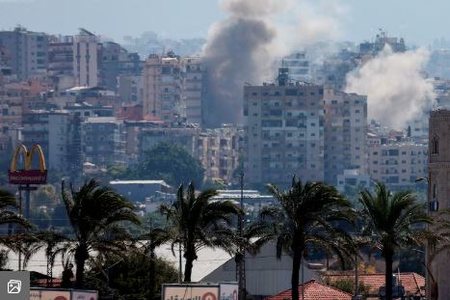
At the same time, tensions are not limited to US-Iran relations. In southern Lebanon, the Hezbollah group announced that it had fired rockets towards northern Israel, calling it a response to ceasefire violations by the Israeli military.
On the other hand, the Israeli army confirmed that the rockets were fired at its forces and stated that it had hit the point from which they were launched. Israel's ambassador to the US, Yechiel Leiter, accused Hezbollah of violating the agreement, stressing: "We will defend ourselves against those who seek to harm, kill and hinder peace."
These developments come at a critical moment, when the future of the ceasefire remains unclear and negotiations for its extension have yet to yield results. The escalation of rhetoric and clashes on the ground point to a fragile situation, where any incident could lead to a wider escalation of the conflict in the region.





Lini një Përgjigje