


 Shkruar nga Pamfleti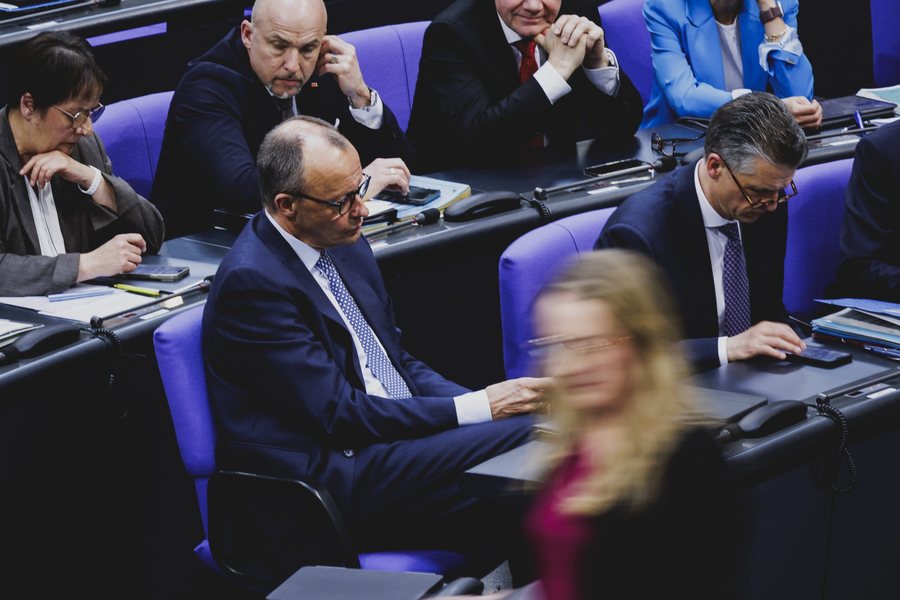
Germany's two main parties reached a deal with the Greens to approve a massive spending package for infrastructure and defense that marks a major turning point in the country's normally cautious fiscal policy.
The Christian Democrats (CDU/CSU) and Social Democrats (SPD), who are poised to form Germany's next governing coalition, had proposed easing the country's strict debt rules in order to invest potentially large sums in rebuilding the military and infrastructure projects.
The parties confirmed they had agreed with the Greens to increase climate spending and move to exempt Ukraine aid from budget rules. The agreement secures the votes needed to pass the deal after days of tense negotiations.
Germany's incoming Chancellor, Friedrich Merz (CDU), said he was "very pleased with both the content and the result."
The compromise was unanimously accepted by the Christian Democrats parliamentary group, he said.
The party has a long tradition of fiscal conservatism, and the initial plans were met with accusations of waste by some members. The main points of the original proposal were included in the final agreement.
The Greens make concessions in the deal
However, under the Greens' demands, the package would also include spending on defense items beyond the military, including cybersecurity, civil protection and intelligence services, as well as support for states attacked in violation of international law. This means aid to Ukraine would also be exempt from fiscal constraints.
The parties will also create a special fund of 500 billion euros outside the normal budget for infrastructure spending over the next decade. As a concession to the Greens, 100 billion euros of this fund will be allocated to the Climate and Transformation Fund (KTF), which is a special fund dedicated to achieving Germany's net zero targets.
The Greens said on Friday that they had managed to "direct the money in the right direction" in negotiations with the CDU, CSU and SPD.
Party officials had rejected an earlier compromise offer because they were concerned that the newly gained fiscal space would be used by the Christian Democrats and the SPD to raise taxes.
The new agreement also includes a commitment that any spending from the infrastructure fund will be used for new projects, rather than being a way to transfer existing infrastructure spending to make room for pork barrel spending in the regular budget.
The plans require a two-thirds majority to pass in the Bundestag, the lower house of the German parliament. They could be approved on Tuesday, when the outgoing parliament is scheduled to reconvene for an extraordinary session.






Lini një Përgjigje