


 Shkruar nga Pamfleti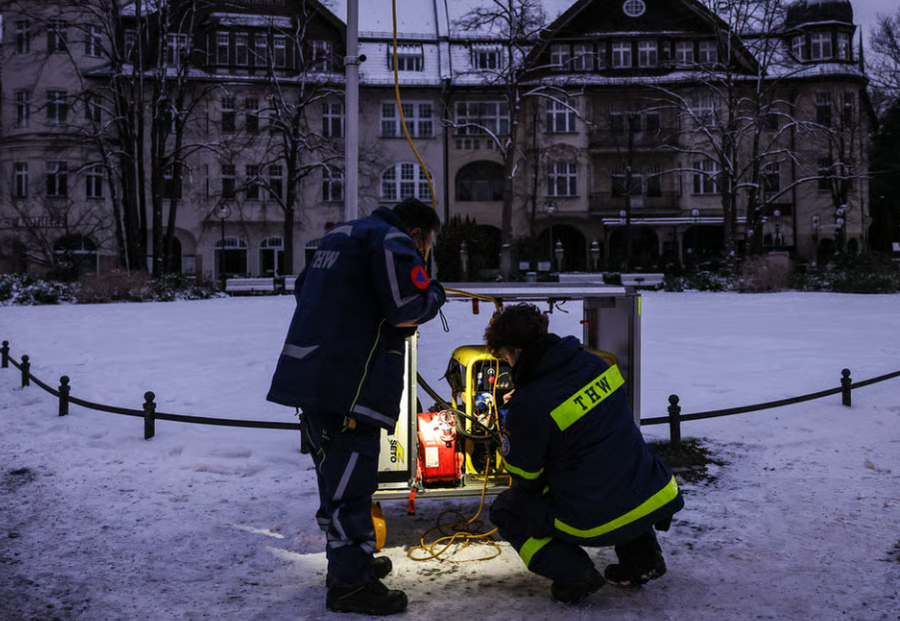
A series of attacks reveals the vulnerabilities of the energy grid and the challenges of authorities to prevent sabotage
It was 6 a.m. when Andreas Thomsen realized something was wrong. The lights in his Berlin home wouldn't turn on. The appliances weren't working. The electric shutters wouldn't open. The only sound in the house was that of the breathing apparatus.
Thomsen picked up the phone. Nothing. No warning, no announcement. He is 68 years old and suffers from amyotrophic lateral sclerosis (ALS). He cannot live without his ventilator. The device was running on batteries and had only six hours of power.
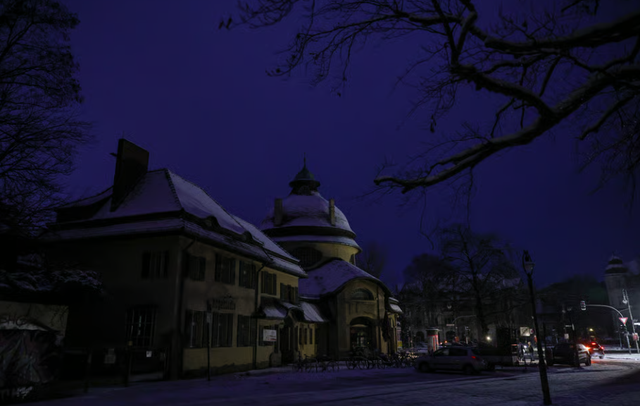
It was only around 8 a.m. that he learned what had happened: an attack on the city's electricity supply. Hundreds of thousands of residents in southwest Berlin were left without power. He notified the caretakers and called the fire department.
The January 2026 incident was no accident. The outage was part of a series of attacks that have shown how vulnerable German infrastructure is and how unprepared the state is to stop them.
For months, authorities have focused on the threat of Russian sabotage. But a lengthy investigation by the WELT media suggests that the greater threat is internal. Behind many of the attacks lies a small, decentralized network motivated by left-wing extremism.
For Thomsen, the power outage meant a risk of suffocation. By 10 a.m., the ventilator had only two hours of battery life. Caregivers were constantly calling 911. When firefighters arrived, they were faced with another problem: the electric gate wouldn't open without power.
Shortly before 11 a.m., a second ambulance arrived. The doctor decided to temporarily disconnect him from the ventilator to transport him, as the elevator was not working and the stairs were too narrow.
“It was like I was drowning,” Thomsen recalls. It was only after he was connected to an ambulance ventilator that he regained his breath. A group called the “Volcano Group” later claimed responsibility for the attack. The statement did not express concern for the residents affected. Federal prosecutors are investigating the case.
According to investigators, the “Volcano Group” is not a real organization, but a name used by various perpetrators. Since 2011, the group has been linked to attacks on railways, power lines and industrial facilities.
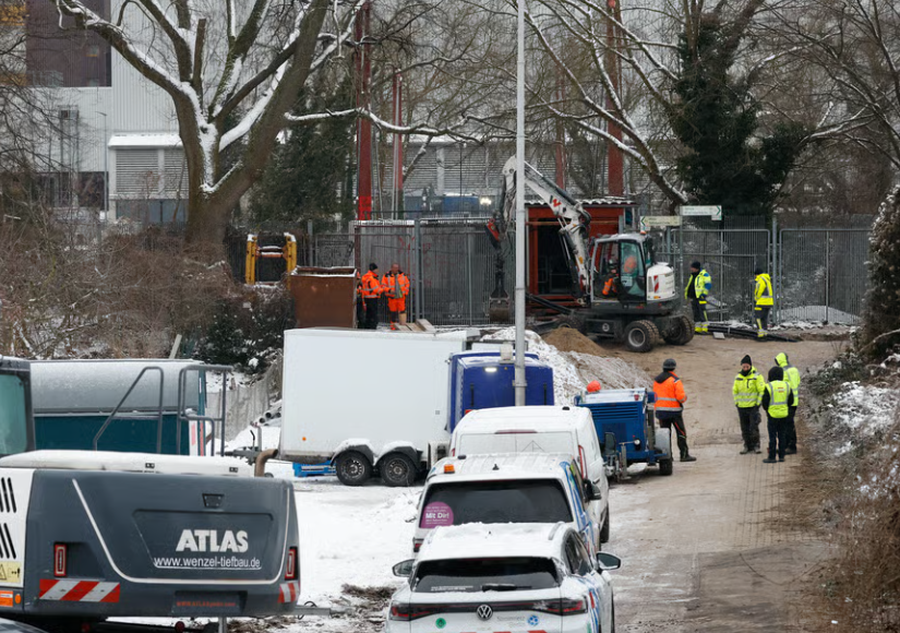
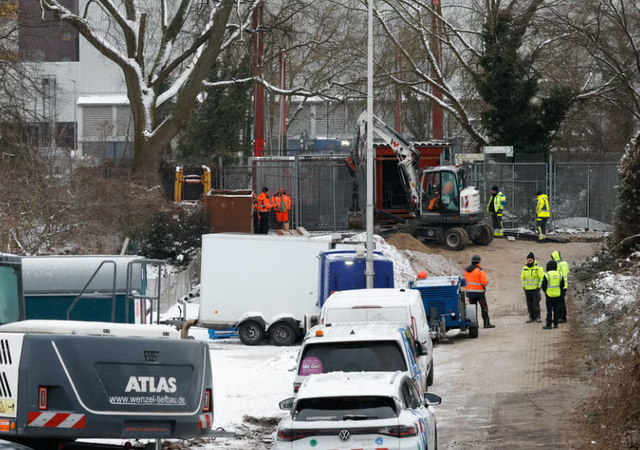
Authorities suspect the January outage is linked to a September 2025 attack, when electricity pylons were set on fire in Berlin. Tens of thousands of households were left without power for days and damage amounted to tens of millions of euros.
Investigations show that the perpetrators belong to a loose network of left-wing activists who collaborate randomly. Some produce ideology and justifications, while others carry out the attacks.
Publications that explain and, in some cases, describe methods of sabotage also play an important role. A 2015 pamphlet, “Disconnect,” called for resistance against technology, including the sabotage of digital infrastructure.
Authorities have difficulty stopping these groups because of their dispersed structure. Even when individuals are identified, they disappear and reappear in other attacks. The attacks have become more daring. In March 2024, a power pole near the Tesla factory burned down, disrupting production for several days.
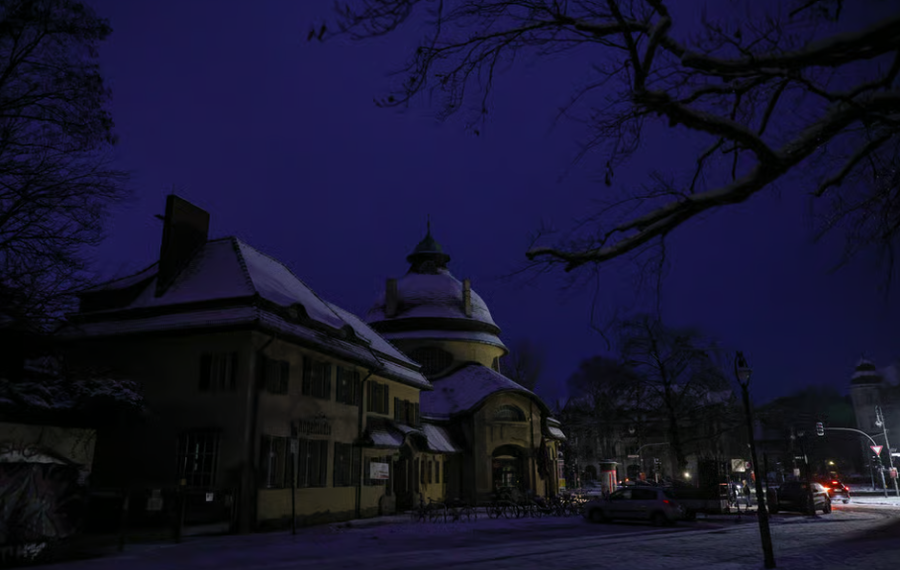
The January 2026 blackout was the biggest in Berlin since World War II. Some 45,000 households and thousands of businesses were left without power, including hospitals and care homes. According to an analysis by the federal police, 321 cases of sabotage were recorded in Germany last year, many of them linked to left-wing extremism.
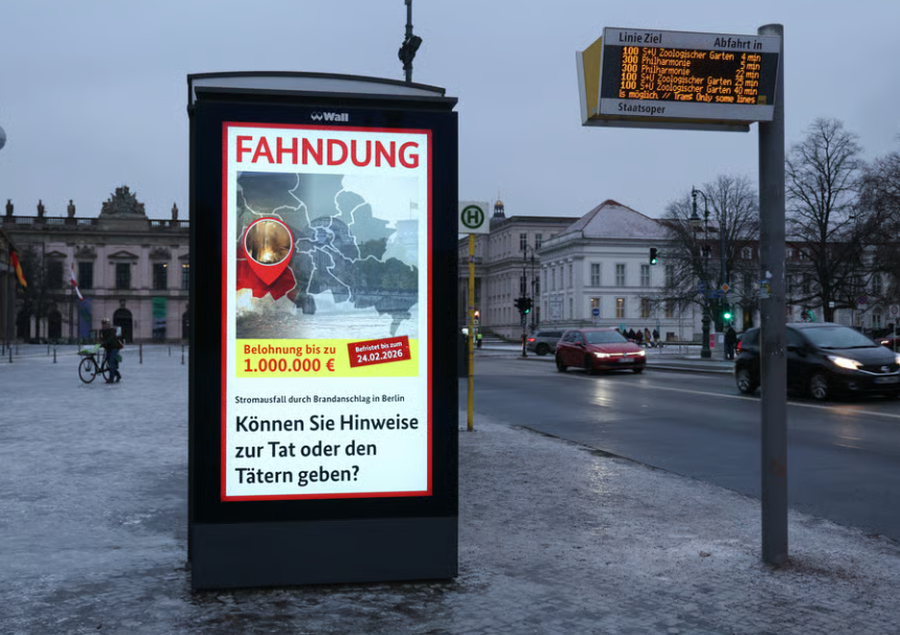
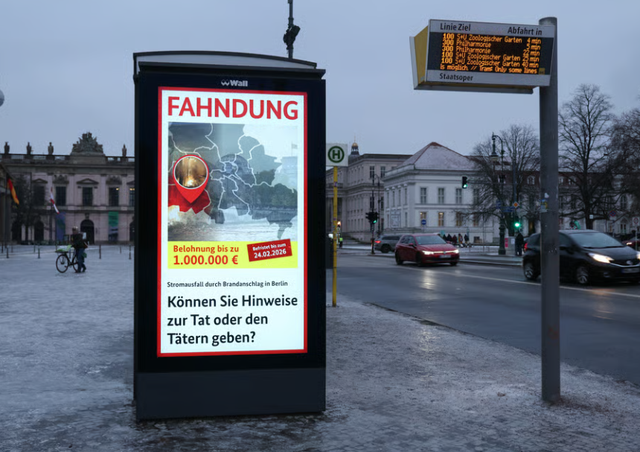
Although suspicions of involvement by foreign actors, including Russia, have been raised, investigations have found no concrete evidence of this. Following the attacks, authorities announced a €1 million reward for information and conducted extensive searches, but without significant arrests.
The events have sparked debate among activists themselves, with some seeing the sabotage as overstepping their bounds, while others are calling for the actions to continue. For Andreas Thomsen, the experience remains personal. He thanks the teams that rescued him. “Otherwise, I wouldn’t be alive,” he says. The main reason for continuing to live, according to him, is his 7-year-old son. /Adapted from Politico /






Lini një Përgjigje