


 Shkruar nga Irida Vasia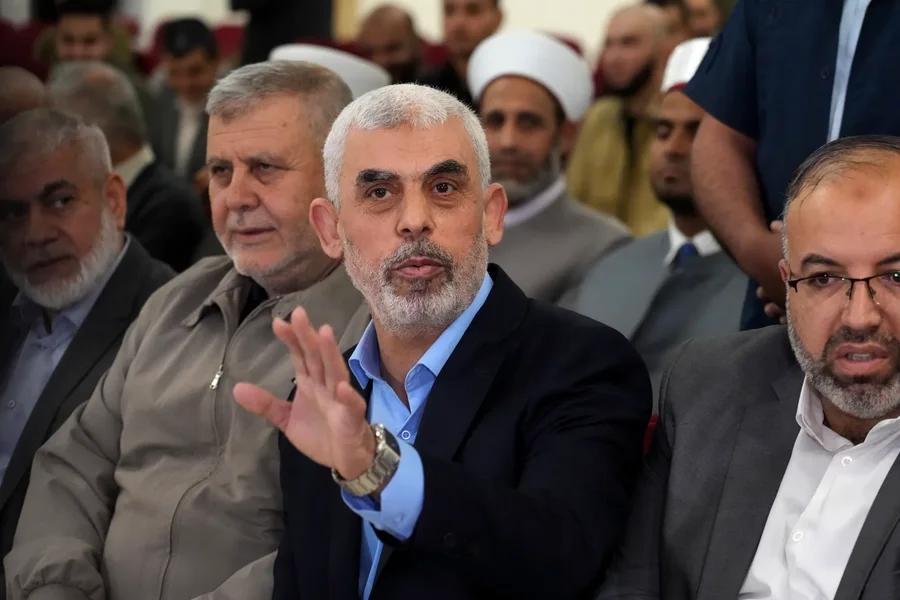
Isn't that right?
Almost 7 weeks since the biggest, best organized and most brutal attack that Hamas has ever undertaken against Israel, what we see are its casualties: 1,200 on the Israeli side, over 14,500 among the Palestinians in Gaza, the continued destruction of nearly 45 % of buildings and other structures in the territory razed to the ground, the "biblical" exodus of 1.7 million displaced enclave residents out of 2.3 million that it counts in total.
We see the hatred seething in the hearts of children in the Jewish state who sing: "within a year we will exterminate them all" and the charred bodies of Jewish children, some burned alive inside their homes during the bloody attack on October 7, of militants blinded by reason to the point of showing no mercy to even the most innocent creatures in the world. What we don't see yet, is the purpose of this strike in a wider picture.
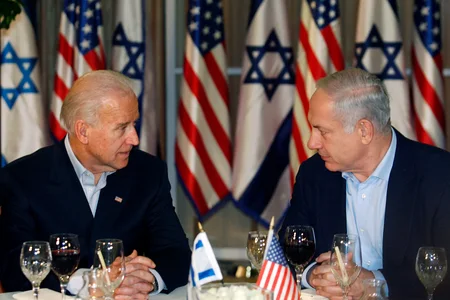
The excuses still do not go so far as to unravel the real intention of rekindling the vicious cycle of violence, dormant for some time to the point of creating the illusion of relative peace. If it was the looming deal between the Jewish state and Saudi Arabia, which neither Hamas nor its major sponsor, Iran, could swallow, as well as perhaps the broader prospect of regional reconciliation with Tel Aviv, it may have stalled. but only temporarily. Because if we stick to the comments of the prestigious The Time, despite the mixed signals that the Saudis send when it comes to the advancement of the initiative mediated by the Biden administration, the chances of such a deal have not completely disappeared. Paradoxically, she says, the murderous rampage of the militant group can produce the opposite effect, and even accelerate the achievement of regional peace.
But this, according to Israel, will only happen when Hamas disappears, which is today its number one priority. Tel Aviv has now focused all its war energy on the organization which, together with the USA and the EU, it considers terrorist.
Fakti mbetet sidoqoftë se i njohur apo jo ndërkombëtarisht, ky grupim i shumë anatemuar prej Izraelit e Perëndimit është ai që ka qeverisur Gazën për 18 vjet. Dhe ndryshe nga partia e vet rivale, Fatahu, që dominon Organizatën për Çlirimin e Palestinës që sundon në Bregun Perëndimor, i cili ka hequr zyrtarisht dorë nga dhuna, Hamasi këtë nuk e ka bërë kurrë. Përkundrazi, e ka përcaktuar hapur dhe qartë linjën e vet “kundër Izraelit deri në fund”, e cila është pjesë e doktrinës së themelimit të grupit, dhe që dashur pa dashur, i jep Izraelit të drejtën ta shpalosë publikisht argumentin e tij se për atë çfarë përfaqëson që në gjenezë, ky grup është pengesë e patjetërsueshme në rrugën drejt paqes.
Hamasi u krijua si krahu politik i Vëllazërisë Myslimane në Gaza dhjetorin e 1987, pas shpërthimit të intifadës së parë kundër pushtimit izraelit të Bregut Perëndimor, Gazës dhe Jerusalemit Lindor. Qëllimi i tij asokohe ishte t`i kundërvihej influencës së Xhihadit Islamik Palestinez (PIJ), një tjetër grup i dhunshëm e i angazhuar për rezistencë ndaj shtetit hebre, i cili kërcënoi t`ia largonte Vëllazërisë mbështetjen e palestinezëve. Në vitin 1988, Hamasi publikoi statutin e tij, ku bëhej thirrje për shkatërrimin e Izraelit dhe krijimin e një shoqërie islame në Palestinën historike. Ndryshe nga Fatahu, të cilin e zboi nga Gaza gati dy dekada e me të cilin ndryshon rrënjësisht në ideologji e praktikë më parë, ai ia ka mbyllur derën diplomacisë, nuk pranon zgjidhjen me dy shtete të konfliktit të zgjatur dhe konsideron se paqja do të vijë përmes dhunës.
Në këtë prizëm, ekuacioni duket i thjeshtë: Hamasi jashtë, paqja fiton. Apo nuk është tamam kështu?
Sipas gazetës izraelite Haaretz, tre të katërta e palestinezëve e mbështetën sulmin e 7 tetorit.
Përse? Këtë shpjegim, ajo thotë se nuk di ta japë as vetë.
Është vështirë ta kuptosh tani opinion publik palestinez. Por grafia e një urrejtjeje dhjetëra vjeçare nuk është megjithatë aq e vështirë të lexohet.
Hebrenjtë izraelitë e arabët palestinezë duan të njëjtën tokë, e është parë tashmë, se kompromisi nuk arrihet lehtë. Palestinezët nuk e harrojnë Nakban, apo Katastrofën e Madhe- shpërnguljen me dhunë të qindra mijëra vetëve në vazhdën e krijimit të shtetit të Izraelit në 1948-tën dhe “shkatërrimit të shoqërisë së tyre, kulturës, identitetit, të drejtave politike dhe aspiratave kombëtare”.
Por nuk është vetëm kjo.
Tërheqja e Izraelit nga Rripi i Gazës në 2005-ën u bë në mënyrë të njëanshme, dhe Hamasi i forcoi pozitat në mesin e palestinezëve mes pretendimeve se ishin metodat e tij që e dëbuan Izraelin. Gaza është nën bllokadën izraelite që kur Hamasi mori plotësisht kontrollin e saj në 2007-tën, dhe situatën atje një grup i të drejtave të njeriut e ka përshkruar si praktikisht “një burg të hapur”.
More than 80% of the population lives below the poverty line, according to the UN, and in the second quarter of this year, unemployment in the territory was calculated at 46.4%, one of the highest in the world. The hatred born of the events of the past, thus merges with today's Palestinians of Gaza with the despair of the present.
Will the destruction of Hamas be enough to finally get the stalled peace process in the region back on track?
For Israel, maybe yes, or at least that's what it claims. For the Palestinians, it will take a little more than that: it will take real hope for a better future! Only 24% of those living in Gaza, the West Bank and East Jerusalem now believe that dividing the land between the Jordan River and the Mediterranean to create two independent and sovereign Israeli and Palestinian states existing side by side can be achieved really. Israel's far-right government does not embrace the idea of an independent Palestinian state, and its leader, Benjamin Netanyahu, has blocked the issue for years. And the more the Palestinians give in to despair, the more distant peace seems, especially in these moments, when even if the war were to end very quickly, it would leave behind two deeply traumatized societies whose minds would hardly cross the idea of a quick reconciliation./ TCH



Lini një Përgjigje