


 Shkruar nga Pamfleti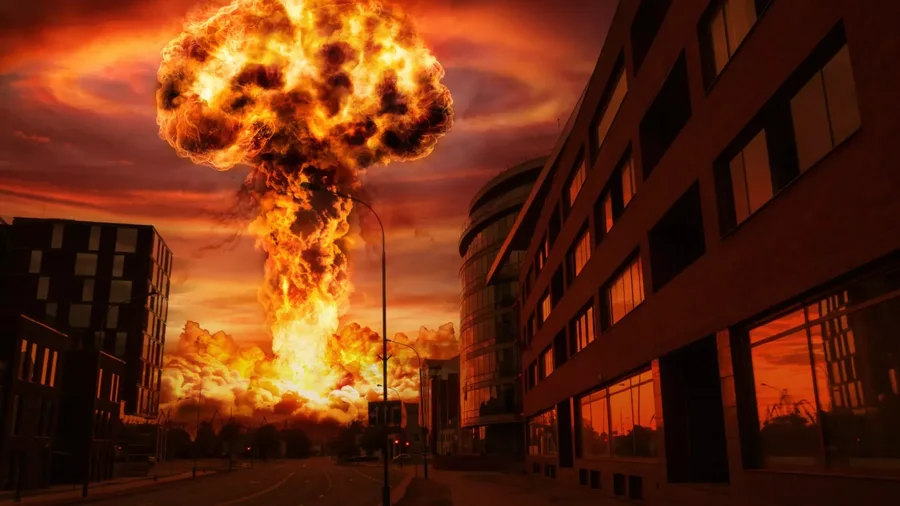
How long would a nuclear war last? Only 45 minutes, but it would be an apocalypse with millions of deaths
What follows is a hypothetical scenario of the United States responding to a nuclear attack. Although the full process of launching nuclear missiles remains secret, many frightening details have been made public through declassified documents and reports from within the system. Much of the information is based on the testimony and research of Bruce Blair, a former missile launch officer and nuclear security expert, and William J. Perry, a former U.S. Secretary of Defense.
Somewhere in the world, an enemy launches a barrage of nuclear-tipped missiles toward the United States. The only two countries that currently possess nuclear-tipped intercontinental ballistic missiles that can reach the American continent (aside from allies like Britain and France) are Russia and China. North Korea has not yet demonstrated this capability, but could develop it in the near future.

Almost immediately, US satellites detect the launch of the ICBMs. As the missiles, several stories high, take flight, their engines produce large columns of heat that are detected by infrared sensors on a constellation of satellites operated by the US Space Force.
1 minute after launch: Radars detect incoming missiles
Just one minute after launch, ground systems send the data the satellites have captured to Air Force Space Command, NORAD in Colorado Springs, US Strategic Command (STRATCOM) in Omaha, and the National Military Command Center (NMCC) at the Pentagon.
3–4 minutes after launch: Warning systems
About three or four minutes after launch, the early warning team at the subterranean center of STRATCOM headquarters at Offutt Air Force Base, Omaha, reports its findings to the STRATCOM commander. At the same time, teams at NORAD, the organization that monitors space and is responsible for U.S.-Canadian defense, do the same, and the teams give an initial assessment of certainty: no certainty, medium certainty, or high certainty. Given the number of heat plumes (flames) and the launch sites, the teams report a medium level of certainty that a nuclear attack against the United States has been launched. It is still too early to determine with certainty the missiles’ destinations.
5 minutes after departure - The President is announced
Five minutes after takeoff, it’s time to brief the president. Suppose the president is currently flying on Air Force One. A secure phone line rings, the STRATCOM commander calls to brief him, alarms go off, and a military aide takes the president to the aircraft’s situation room. The president sits at the head of a long table.
Nuclear bag
Ndihmësi ushtarak vendos përpara tij një valixhe të njohur si “nuclear football” dhe e hap, duke paraqitur gjithçka që i nevojitet presidentit për të urdhëruar një nisje bërthamore, duke përfshirë librin e zi me opsione sulmesh. Përmbajtja e librit të zi është përcaktuar gjatë një procesi kompleks, shumëvjeçar nga zyrtarë ushtarakë dhe të sigurisë kombëtare.
Konferencë emergjence
Nga një bunker në Omaha, komandanti i STRATCOM-it nis një video-konferencë urgjente me presidentin. Komandanti nis raportimin dhe vlerësimin e kërcënimit, ndërsa këshilltarë të lartë, si sekretari i Mbrojtjes, kryetari i Shtabit të Përbashkët dhe të tjerë, i bashkohen.
Ndihmësi ushtarak vendos përmbajtjen e “football”-it përpara presidentit. Ai fillon shikimin e opsioneve në 'librin e zi' ndërsa këshilltarët japin rekomandimet e tyre.
10 minuta pas nisjes: Kërcënimi konfirmohet
Dhjetë minuta pas nisjes, radarët tokësorë zbulojnë ICBM-të në fluturim. Sistemi ITWAS i NORAD-it integron dhe krahasohet të dhënat nga burime të pavarura për të bërë vlerësimin më të besueshëm. Ekipet e paralajmërimit konfirmojnë se ICBM-të e nisura nga një vend armiqësor janë në kurs për SHBA-të kontinentale. Raketat do të godasin tokën amerikane brenda 12–15 minutash. Vendndodhjet e saktë janë ende të paqarta, por kompjuterët përditësojnë parashikimet bazuar në të dhënat e reja. Këshilltarët informojnë presidentin.
Presidenti vendos
Presidenti kalon pak minuta duke diskutuar me këshilltarët. Këshilltari për sigurinë kombëtare thotë se nuk mund ta kontaktojnë liderin armiqësor. Kryetari i Shtabit të Përbashkët sugjeron sulm ndaj qendrës së komandos dhe kontrollit armik. Komandanti i STRATCOM-it argumenton se është kyç të goditen silo-raketat, bazat e bombardierëve dhe ato nënpodujt nënujore të armikut për të parandaluar një valë të dytë sulmesh. Të tjerë japin opinione të ndryshme.
Sekretari i Mbrojtjes këshillon presidentin të marrë vendim brenda dy minutash, për të mos humbur mundësinë për hakmarrje. Raketat armiqësore synojnë pjesërisht silo-t në Perëndim, për të parandaluar hakmarrjen amerikane, por mund të jenë në kurs edhe për Washington-in ose qendra të tjera komanduese.
17–18 minuta pas nisjes: SHBA përgjigjen
17–18 minuta pas zbulimit të nisjes nga satelitët, presidenti merr vendimin. Ai mund të urdhërojë sulm pa marrë miratim nga asnjë këshilltar. Duke përdorur një telefon të sigurt në dhomë, ose atë në “football”, ai urdhëron NMCC-në: Nis 300 ICBM, aktivizo bombardierët dhe përgatit nënpodujt nënujore. NMCC kërkon konfirmim identiteti; presidenti nxjerr një kartë të trashë “biscuit” dhe thotë kodet në telefon. Një minutë më vonë, NMCC transmeton urdhrin te ekipet me Emergency Action Messages. Ekipet e silo-raketave verifikojnë urdhrin dhe përgatiten sipas planit. Rreth 20 minuta pas nisjes së armikut, kapakët e silo-ve hapen dhe ICBM-të amerikanë nisin fluturimin.
30 minuta pas nisjes: Raketat armike bien në tokë
Minutes later, a barrage of ICBMs hits three silo fields in the US. The silos are empty, but countless residents in North Dakota, Montana, Wyoming, Colorado, and Nebraska die instantly. Then: Washington, D.C.
Unspeakable destruction
It's hard to imagine the devastation of a nuclear war. Experts at the Federation of American Scientists, with the help of Sébastien Philippe from Princeton, have simulated what would happen if Washington were hit.
The full-scale attack would include high-profile targets in DC: the Pentagon, the White House, Congress, the State Department, and FEMA offices.
Over 500,000 people would die instantly. Hurricane-force winds and wildfires would spread widely. Many areas inside the Beltway would be engulfed in a firestorm.
Within 6–8 minutes of the explosion, the nuclear-laden clouds would rise to 40,000 feet. The radioactive debris would fall to the ground like nuclear lightning, infecting hundreds of miles away.
High-altitude winds determine the direction of radiation. The most affected areas could become no-go zones, similar to the Chernobyl exclusion zone. Some areas could be uninhabitable for decades.
According to models, the flows could reach as far as New York, combined with radiation from the silo field in the West.
45 minutes after launch - US strikes enemy targets
Less than an hour after the enemy missiles were launched, the American missile again launches explosions at enemy sites. Orders are executed.
A nuclear war between the great powers would destroy millions of lives and pollute large parts of the globe. A “nuclear winter” could ensue, with smoke and sulfur blocking sunlight for decades. /Adapted from “Pamphlet” by “The New York Times”




Lini një Përgjigje