


 Shkruar nga Pamfleti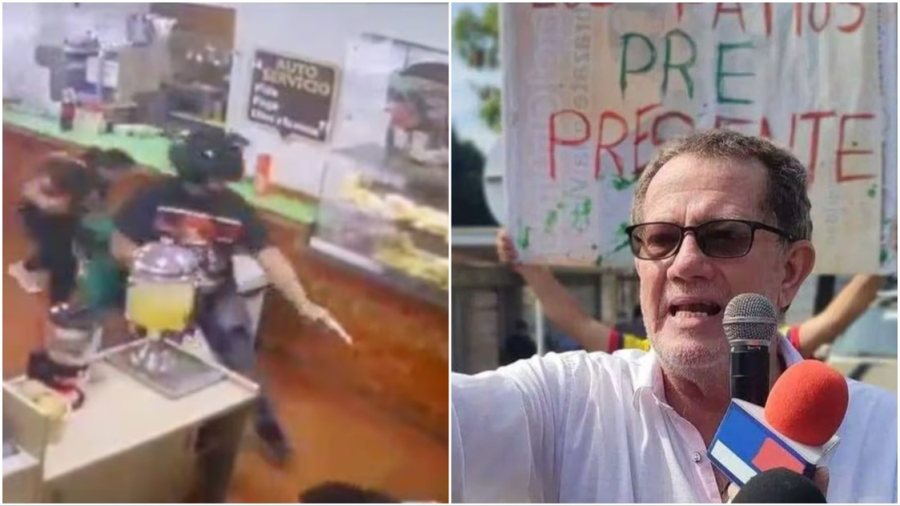
A Colombian journalist who mainly investigated corruption cases was killed on Sunday in a northeastern Colombian city on the border with Venezuela.
Jaime Vazquez, 54, was a journalist, lawyer and activist known for "exposing corruption" in the region, Colombian President Gustavo Petro said through X.
President Petros ordered an "in-depth investigation" into the murder and the arrest of the perpetrators.
Testimonies and videos published by Colombian media confirm that Jaime Vasquez was killed on Sunday, inside a commercial store in Cucuta, in front of at least ten witnesses.
As part of the investigation, the journalist's cell phone was allegedly tampered with by "public officials after his death", Mr. Petros added. The relatives of the deceased confirmed that his account on the WhatsApp platform was used after the crime.
The deceased was "dedicated" to "investigate and highlight in the public debate issues that many prefer not to talk about", Jonathan Mojica, a friend of Jaime Vasquez, emphasized yesterday in an interview for a national radio network.
Through Facebook, the journalist made broadcasts in which he exposed illegalities in public contracts and abuses of power by local authorities.
"He was constantly receiving threats" because of his revelations, Mr. Mohica said.
The Colombian Foundation for Freedom of the Press (FLIP) condemned the killing and called for a "quick and thorough investigation".
"The work of Jaime Vázquez, which revealed irregularities in public contracts and acts of corruption, had made him very popular" for citizens, said this institution, which counts 167 murders of journalists since 2006.
The day before, the General Prosecutor's Office of Colombia announced through X that the perpetrator of the murder, after repeatedly shooting the journalist and the activist, escaped on a motorcycle.
On Saturday, three more people were killed inside a commercial shop in the same city, Koukouta. While, according to an AFP police source, who asked not to be named, a total of nine murders have been committed since the end of last week.
This area is home to many different gangs and armed organizations – the far-right paramilitaries, the ELN (Army of National Liberation, Guberrists), as well as dissidents from the former FARC (Revolutionary Armed Forces of Colombia) rebel group, the who rejected the 2016 peace agreement and they have taken up arms again.


Lini një Përgjigje