


 Shkruar nga Ben Judah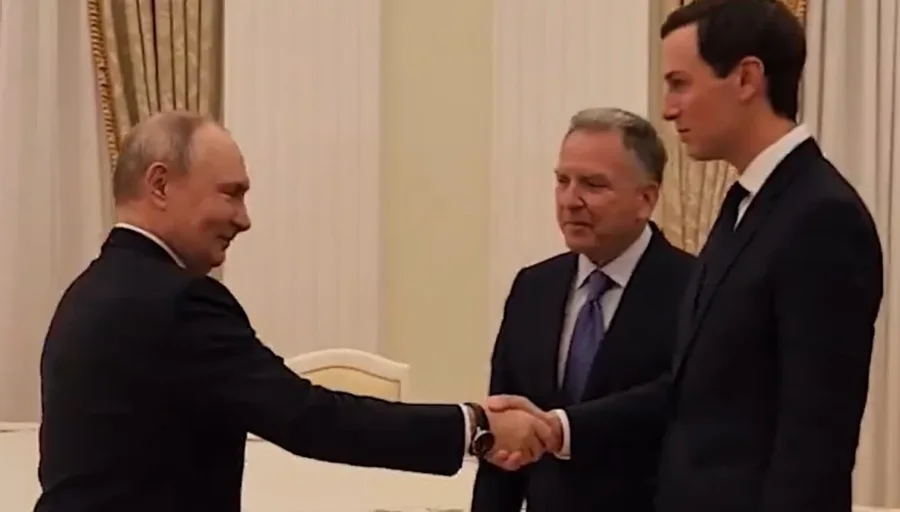
The US special envoy, with no diplomatic experience, tried to reach agreements with Iran and in regional conflicts, but his efforts ended in failure...
“Well, it was pretty funny, but they thought they could pressure us,” said Steve Witkoff, President Trump’s special envoy for the Middle East, giving a kind of balance sheet of his negotiations.
He added, " We went there and tried to make a fair deal with them and it became very, very clear that that was going to be impossible."
It didn't start out that way, with a failed negotiator doing a Fox interview tour to justify war with Iran. But while in every Middle Eastern capital there were hopes, doubts and fears, the New York real estate billionaire was on a fast track to securing Trump a Nobel Peace Prize through an Iran deal.
I was working in the Foreign Office as a special adviser when Steve Witkoff first appeared on the scene. Had Trump really appointed a real estate tycoon to end the war in Gaza? There was a mixture of astonishment and disdain in our ranks at how this could have happened. Some experienced diplomats predicted that his diplomatic career would fail. That it would never get off to a good start. But Witkoff kept climbing, while Democrats accused him of seeking to enrich himself and the Trump family with huge real estate deals in Russia, and even Iran, after securing those peace deals that would bring him fame.
European diplomats are somewhat like members of a closed corporation. They enter foreign ministries almost as young as teenagers, straight out of university, and spend their entire lives there, absorbing mannerisms, traditions, and techniques shaped by the continent’s painful history and its historic institutions. Their almost unanimous prediction was that the negotiations over Iran’s nuclear program are so complex that they cannot afford a single minute of amateurism, let alone an entire term. They were right.
But back to the man himself. Witkoff is a self-made billionaire who grew up on Long Island in the 1960s, in a Jewish family. He is Trump's golf buddy and built his career from real estate lawyer to owner and then major investor in the sector. He has deep ties to Qatar, with the prime minister of Qatar even flying in to attend his son's wedding. A very globalized figure, but very different from a diplomat.
Askush nuk e përshkroi më mirë këtë hendek sesa vetë Trump. “Steve është një negociator i shkëlqyer,” tha presidenti dhjetorin e kaluar.
“Ai ishte një njeri i pasurive të paluajtshme në Nju Jork. Ai dinte shumë pak për lumenjtë, kufijtë e tokave, Rusinë dhe vendet e tjera ku po punon. Nuk dinte asgjë për këtë. Por unë e kuptova, për 20 vjet kam bërë biznes me të gjithë në Nju Jork, dhe thashë: ‘Steve ka personalitetin më të mirë.’”
Herën e parë që dëgjova një telefonatë zyrtare me Witkoff, atëherë vetëm i dërguar special për Lindjen e Mesme, u godita nga sa i ndryshëm tingëllonte nga bota diplomatike me të cilën isha mësuar. Ishte një mënyrë të foluri tipike e tregut të pasurive të paluajtshme në Bronks, e drejtpërdrejtë, brutale, pa formalitete diplomatike. Kur më vonë e pashë nga afër në Paris, si një figurë dytësore në disa nga bisedimet për Ukrainën, pata përshtypjen se aparati diplomatik në Londër e kishte nënvlerësuar. Ai nuk po largohej.
Gjëja e parë që mësova në politikë për këshilltarët dhe ndihmësit është se ekziston vetëm një pyetje e rëndësishme: a mund të flasin vërtet në emër të shefit? Nga Whitehall te Shtëpia e Bardhë, loja në çdo mjedis politik është të kuptosh kush ka pushtet të deleguar dhe kush jo.
Armëpushimi në Gaza, kur Witkoff i tha Benjamin Netanyahut “jo, jo, bëjeni tani”, ishte shenja e parë se ai e kishte këtë pushtet. Ai vërtet arriti t’i bënte presion liderit izraelit.
Kjo e dalloi nga shumë “të dërguar” të tjerë që Trump emëroi pas inaugurimit. Mark Burnett, producenti i “The Apprentice”, u përfshi për pak kohë në diplomacinë SHBA-Britani dhe më pas u zhduk. Ric Grenell, i quajtur i dërguar për misione speciale, arriti pak rezultate. Gjenerali Kellogg, që u ngarkua me çështjen e Ukrainës, zgjati më pak se një vit. Arsyeja ishte se ata nuk mund të flisnin realisht në emër të Trumpit. Por Witkoff, sipas diplomatëve nga Rusia deri në Britani, mundej.
Kremlini u përpoq ta joshte. Ata i kërkuan të vinte në Moskë pa CIA-n, duke e parë si ndërmjetësin e mundshëm. Në fakt nuk ishin vetëm rusët, por vetë Vladimir Putin që përpiqej ta afronte, duke e parë si rrugën drejt një triumfi diplomatik që nuk mund ta arrinte në fushën e betejës pas më shumë se 1.2 milion viktimash.
Edhe britanikët vepruan në të njëjtën mënyrë. Personi në Whitehall që e kuptoi i pari sa i rëndësishëm do të bëhej Witkoff ishte Jonathan Powell. Politikanët shpesh fiksohen pas idesë për të folur vetëm me njerëz të të njëjtit nivel hierarkik. Por Powell, ish-shefi i kabinetit të Downing Street për dhjetë vjet dhe më pas këshilltar i fuqishëm për sigurinë kombëtare, nuk kishte asnjë problem të fliste vazhdimisht me një “të dërguar”. Ai i jepte ide dhe analiza, duke u përpjekur ta bindte për çështjen e Ukrainës.
It was essentially a backstage battle of influence, Russia versus Britain, through the advice that was being fed into Witkoff’s ear. But the gist of the debate was this: Europe, based on intelligence and years of occupation, is convinced that the war is not simply about territory, but about the existence of Ukraine as an independent state. Witkoff treated it as a real estate deal, as a question of territory. And so far it has not succeeded.
However, speaking for the boss is not the only thing that matters in politics. The second question is: can you get results? Ever since Witkoff was promoted to envoy for peace missions with responsibility for Russia and Iran, the diplomatic world has been waiting for the answer to this question.
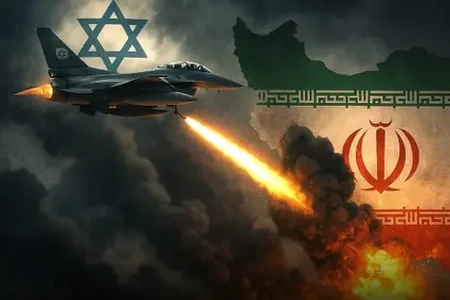
Over the winter, he became a key figure in geopolitical developments. As Trump spoke of a “massive armada” in the Persian Gulf, the largest US military buildup since the Iraq war, Witkoff was tasked with brokering a deal that professional diplomats had failed to reach for 20 years: a deal that would end Iran’s nuclear program, acceptable to Israel and hard-line circles in Washington, but that would allow the Iranian regime to retain its dignity.
“The president is curious,” Witkoff said on Fox as time ran out. “I don’t want to use the word ‘capitulation,’ but why haven’t they capitulated?”
But to reach an agreement, clarity on objectives is needed. Trump's rhetoric confused three goals: stopping the nuclear program, curbing Iran's missile program, and, especially after the protests, regime change. This made negotiations much more difficult.
The truth is that Trump is not running a classic administration, but a political court where proximity to the leader is crucial. In this court, Benjamin Netanyahu emerged as one of the most capable figures. While Witkoff continued to take on more and more responsibility for Trump.
But in politics, that's not always a good thing. Because when things go wrong, the responsibility falls on you.
There was no big deal to announce on Fox this week. Instead, Witkoff presented arguments on the nuclear issue that will now be analyzed by Democrats, historians and journalists, much like Colin Powell's speech to the UN before the Iraq war.
Whatever happens now, Witkoff's career is unlikely to end with a Nobel ceremony in Oslo. Instead, his name may remain associated with a major diplomatic failure.
Although, as they often say in the business world: there is no room for tears in the casino. On the world stage, success and failure can come very quickly when you play with the biggest risks. /Adapted from Inews/
*Special Advisor to David Lammy as Foreign Secretary and Deputy Prime Minister


Lini një Përgjigje