


 Shkruar nga Pamfleti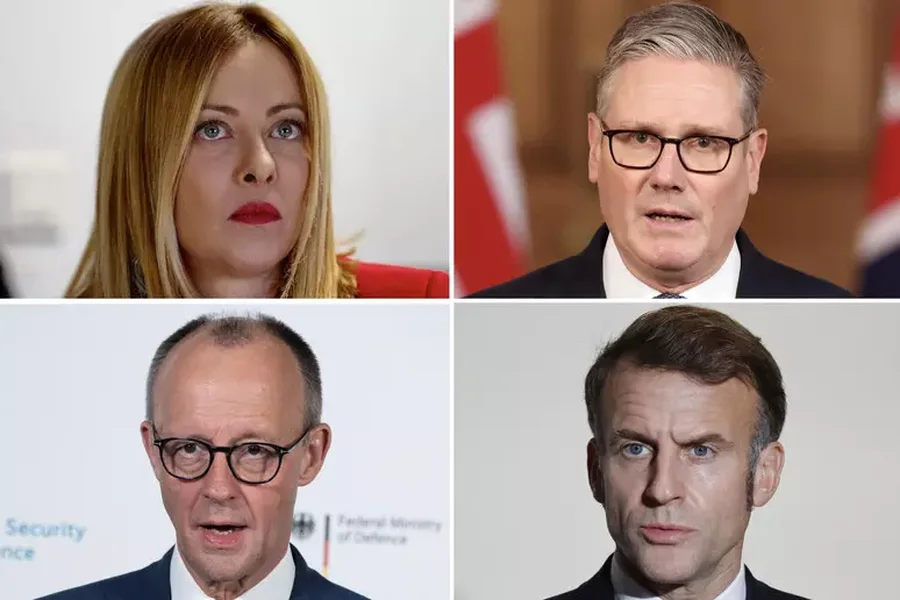
Meloni talks with Erdogan, and then with Macron, Merz and Starmer...
Doing "everything possible." While it is still unclear what the purpose is for resuming a "diplomatic" initiative so that "the parties can return to dialogue," Giorgia Meloni has made it clear that the government is making every effort.
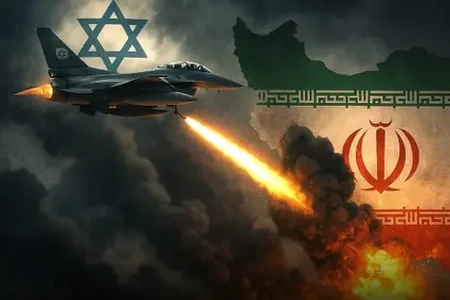
The war in the Middle East, caused by American and Israeli operations against Iran, is frightening public opinion across Europe, and the prime minister has already made her position known, via social media.
Equally important is the "coordination" effort with the main European partners, sealed by a call in the E4 format (Italy, France, Germany, Great Britain), which she herself, reportedly, had discussed with Friedrich Merz and which was held in the afternoon to assess the situation with the countries with the greatest relations, interests and fellow citizens in the Gulf region.
The seventh day since the outbreak of the war, which the Prime Minister spent at Palazzo Chigi before traveling to Verona for the opening ceremony of the Paralympic Games with President Sergio Mattarella, was also filled with discussions. But also with reflections on the risks of escalation and the impact of the conflict on popular perception.
Before the call with Merz, Emmanuel Macron and Keir Starmer, Meloni spoke with Recep Tayyip Erdogan. Meanwhile, to assure Italy's solidarity with Turkey, "Italy's strategic partner and NATO ally", after the "unjustified missile attack" of recent days. And then to assess the evolution of a regional situation that no one in the Italian government is denying, is of considerable concern for neighboring Europe. The "global impact of the crisis" is what is also analyzed in the E4 format.
A call that Rome apparently requested and that offers an opportunity to exchange information and mutual impressions, especially in light of the constant updates with various Middle Eastern actors.
We must work together on "diplomacy and military coordination," Downing Street announced after the call, highlighting "coordination on the Strait of Hormuz" and "concern" about the situation in Lebanon.
The four leaders condemned “Iran’s serious attacks,” but there were no references, at least not publicly, to the United States and Israel. Nor were there judgments, because now is the time for “pragmatism and concreteness,” they summed up at the highest levels of government. The prime minister has so far carefully avoided addressing the issue, apart from repeatedly warning of the risk of chaos if multilateralism is abandoned (a process triggered, she says, by Russia’s aggression against Ukraine).


Lini një Përgjigje