


 Shkruar nga Pamfleti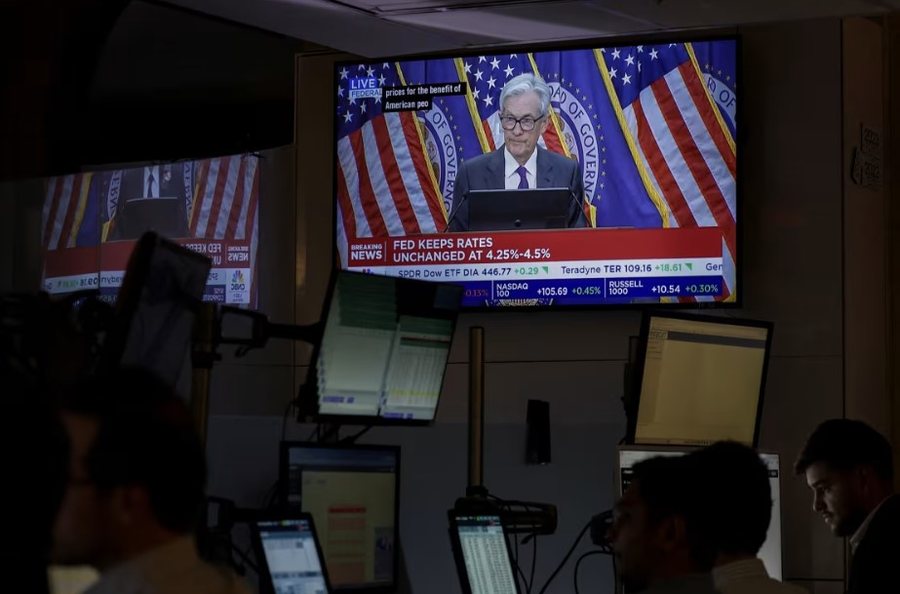
Experts warn that the president's interventions in the central bank could lead to rising prices, higher interest rates and a new economic crisis...
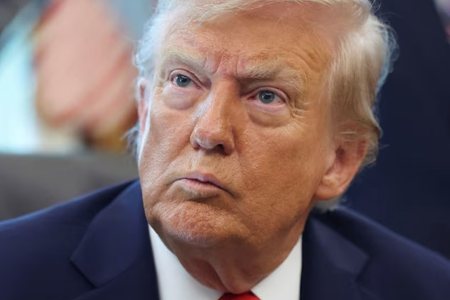
Donald Trump vowed to voters to destroy inflation once he returned to the White House. But his harsh and unprecedented attacks on the Federal Reserve (Fed) could have the opposite effect, driving up prices and undermining U.S. economic stability.
Trump is the first US president to attempt to remove a female Fed governor (Lisa Cook), directly challenging the central bank's independence. While political pressures on the Fed are not new, economists warn that this sets a dangerous precedent.
" This is an attempt to undermine the independence of monetary policy. The result will be a weaker economy and higher inflation ," said Narayana Kocherlakota, former president of the Minneapolis Fed.
The demand for artificially low interest rates could lead to an overheated economy, generating the very inflation that Trump promises to eradicate.
In the wake of the Covid-19 pandemic, low interest rates and stimulus packages created a demand boom that pushed inflation to its highest levels in 40 years. Currently, inflation remains above the Fed's 2% target, increasing citizens' frustration with the high cost of living.
The crisis of interests and market confidence
Another possible consequence is a rise in long-term interest rates, especially mortgage rates. If investors lose confidence that the Fed is independent and willing to fight inflation, they will demand higher returns on long-term lending.
This would translate into an immediate increase in mortgage rates, which already stand near 7%, making home buying an unattainable dream for many Americans.
" The more the market thinks monetary policy is being led by the White House, the more long-term interest rates, including mortgages, will rise ," Kocherlakota stressed.
Lessons from Nixon and Erdogan
History has shown the danger of politicians interfering in central banks:
Richard Nixon (1970): forced his Fed governor, Arthur Burns, to cut rates before the 1972 election. The result? Inflation over 13% and high unemployment by the end of the decade – the era called “The Great Stagflation.”
Recep Tayyip Erdogan (2021): fired the governor of the Turkish central bank and installed a loyalist who cut interest rates on his orders. The result: a collapse of the Turkish lira and inflation above 80%.
" History teaches us what happens when a populist leader decides to take control of the central bank ," warned Justin Wolfers, an economics professor at the University of Michigan.
The attack on the Fed: a dangerous precedent
Tim Mahedy, a former adviser at the San Francisco Fed, called Trump's attempt to fire Lisa Cook a "blatant attack on the central bank's independence."
According to him, Trump is breaking the basic rule of central banks: criticize, but don't politicize.
" If he succeeds in putting pressure on the Fed, the cost will be high for all of us and we will pay for it for generations ," Mahedy added.
It seems that Trump wants to show political strength by putting pressure on the Federal Reserve, but he risks overturning the very promise on which he is building his campaign: reducing inflation and making life easier for Americans. The history of Nixon and Erdogan proves that political manipulation of central banks brings crisis, not stability. /Adapted from "Pamphlet" by "CNN"






Lini një Përgjigje