


 Shkruar nga Pamfleti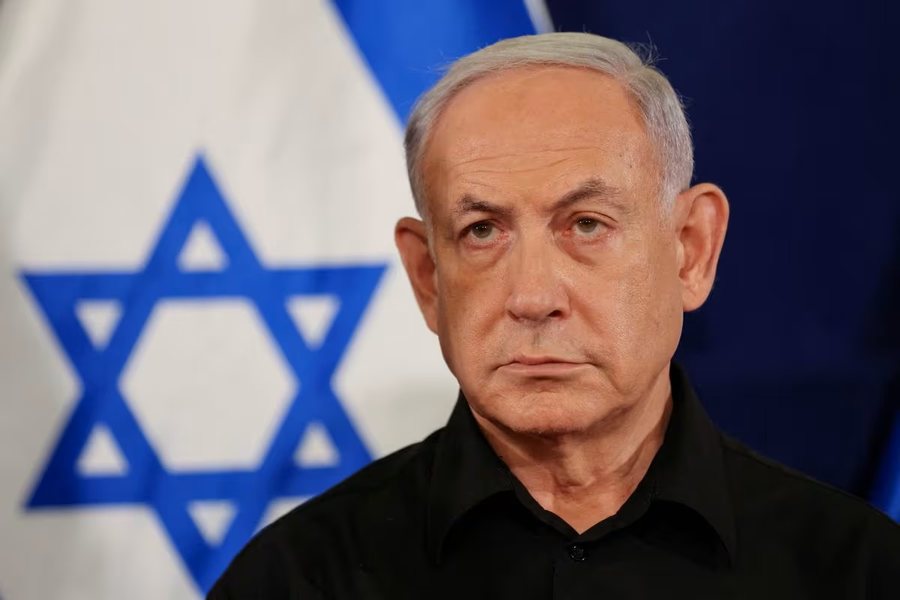
Then Iran's first direct attack on Israel offered the prime minister a lifeline.
It wasn't long ago that Israeli Prime Minister Benjamin Netanyahu was under a lot of pressure.
After seven aid workers from World Central Kitchen were killed by the Israeli military in Gaza on April 1, US President Joe Biden appeared to have finally lost patience with his embattled ally.
On the same day, Israel attacked the Iranian diplomatic compound in Damascus, killing a senior general and at least six other officers and violating legal conventions that prohibit attacks on embassies.
Israel argued, unconvincingly, that Iran had lost that protection by turning the consular building it destroyed into a military post. Iran promised to retaliate, but previous attacks on top commanders had generated more talk than action.
Outside Iran, the attack in Damascus was overshadowed by the outrage over the killing of the team from World Central Kitchen, a US-based charity.
The White House released a frantic statement from President Biden. He was "outraged and heartbroken." It was not an isolated incident. Israel was not doing enough to protect aid workers or Palestinian civilians.
In an angry phone call with the prime minister, he demanded major concessions. Gaza must be flooded with humanitarian aid. Israel needs to open more border crossings, as well as the container port in Ashdod, less than an hour's drive from starving children in northern Gaza.
Prime Minister Netanyahu promised that things will change. Despite this, Israel was at a standstill.
In addition to feeling the heat from the White House, Netanyahu was also under pressure from ultranationalist extremists whose support in Israel's parliament keeps his coalition in power. They are not only against flooding Gaza with aid. They believe the war has given Israel a precious opportunity to resettle Jews in Gaza. Jewish settlements there were evacuated and destroyed by Israel in 2005 as part of a unilateral withdrawal from the territory.
By the end of last week, the US was increasing the pressure. On Thursday, Samantha Power, the top US humanitarian official, said it was "credible" that famine was already affecting parts of Gaza.
It was clear to Israel's friends and enemies alike that the six-month siege of Gaza had created the world's most urgent food crisis. There was another burst of speculation that the US would impose conditions on the use of weapons it supplies to Israel.
On Saturday morning, hours before the Iranian attack on Israel, The New York Times echoed the deepening anger, particularly among prominent Democrats in the US Congress. He called for a pause in arms supplies to Israel and caved to Benjamin Netanyahu.
Under the headline "Military aid to Israel cannot be unconditional," the newspaper's editorial board criticized Mr. Netanyahu and hardliners in his government for breaking the "bond of trust" with America. The US commitment to Israel, and its right to defend itself, does not mean that President Biden "should allow Mr. Netanyahu to continue playing his cynical double games."
Then Iran's first direct attack on Israel offered the prime minister a lifeline.
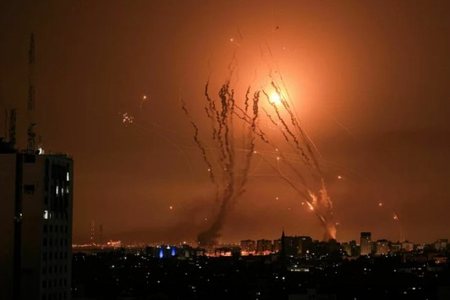
In a remarkable feat of military cooperation, the US and other Western allies helped Israel shoot down more than 300 drones and missiles fired by Iran. No Arab leader has been a harsher critic of Israel's war in Gaza than Jordan's King Abdullah. But Jordan's air force joined the operation, shooting down shells headed for Israel.
Calls for conditionality on military aid to Israel were replaced by strong expressions of solidarity.
Prime Minister Netanyahu has been presented with new political opportunities. Gaza is out of the headlines, at least for a day or two.
But the pressure on the prime minister has changed. Israel's future moves could double that.
President Biden has made it very clear what he thinks should happen next. Israel must declare victory in this episode, "take the victory," and not fight back. He stated, again, that America's support for Israel was "ironclad."
This was in line with his consistent policy since the October 7 Hamas attacks. The president and his administration have worked hard to stop a wider, all-out war in the Middle East, even as they sent massive supplies of weapons to Israel that have been used with devastating and deadly effect in Gaza.
Since October, Israel has accepted the weapons and the diplomatic support that accompanied them and ignored Joe Biden's increasingly desperate and angry calls to respect the laws of war and protect civilians.
Just days after unprecedented military cooperation by its allies against Iran, Israel once again appears determined to ignore not only Joe Biden's advice not to retaliate, but very similar sentiments from other countries that helped on Saturday night .
Like Joe Biden, Prime Minister Rishi Sunak in Britain and President Emmanuel Macron in France deployed fighter jets, both condemned Iran and both urged Israel not to retaliate.
They are confronting old beliefs and instincts in Israel. One is the deep conviction that Israel's survival depends on responding to attacks with overwhelming force.
Another is Benjamin Netanyahu's view, expressed many times during his years in power, that Iran is Israel's most dangerous enemy, bent on destroying the Jewish state. Many Israelis share this view.
Now, after years of hostility since the Islamic Revolution in 1979, Iran has for the first time launched a direct attack on Israel. A long clandestine war has emerged from the shadows.
Israel has said the question is not if it will retaliate, but when and how. The war cabinet debated how to do this without igniting an all-out war. Ultimately, however, any attack will be gambling that Iran does not want all-out war and will respond accordingly. This is a dangerous assumption. Both sides have already misjudged the other's intentions.
Once again, Benjamin Netanyahu and his government are willing to ignore the wishes of allies who have done more to help Israel against its enemies. His ultranationalist allies are seeking a crushing attack on Iran. One of them said that Israel should be "furious".
At the same time, the humanitarian catastrophe continues in Gaza. International attention has moved away from it, but it will return. The Israeli army is still operating in Gaza and still killing civilians. Deadly violence between Palestinians and Jewish settlers in the West Bank has risen again. Israel's border war with Hezbollah could escalate quickly.
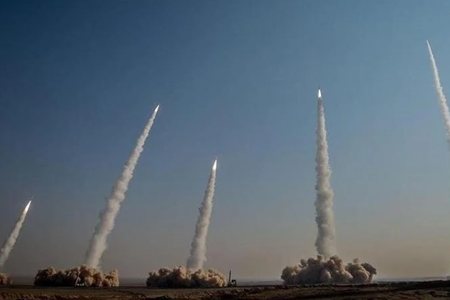
Iran has vowed to retaliate more strongly if Israel attacks. The chief of staff of its armed forces, Hossein Baqeri, said the attack on Israel was "limited" and promised a "much bigger" response if Israel retaliates.
The Americans have said they will not help if Israel attacks Iran. But it's hard to believe that Joe Biden's definition of an "ironclad" commitment to Israel's security would keep the US on the sidelines if Iran were to respond to an Israeli attack with another of its own.
The slide continues toward a wider war in the Middle East and a deeper global crisis. /Taken from 'BBC', adapted from 'Pamphlet'





Lini një Përgjigje