


 Shkruar nga Pamfleti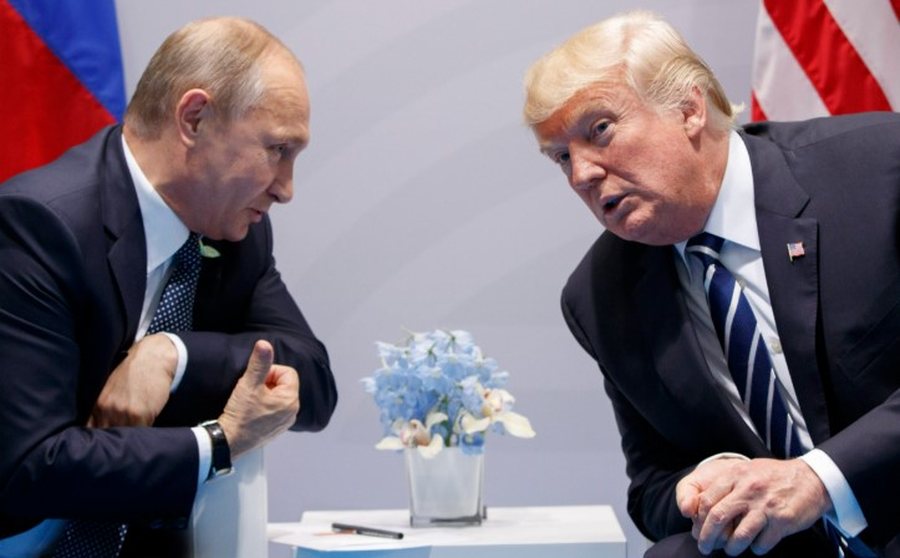
A new wave of sanctions against Russia appears to be taking shape in the US Congress, now with the support of President Donald Trump. The US president declared on Tuesday that he was "fed up" with the behavior of Russian President Vladimir Putin.
Republican Senator Lindsey Graham of South Carolina, who is the lead sponsor of the bill, confirmed that Trump had given him the "green light" to move forward with the proceedings.
"We're moving forward," Graham told Politico, adding that Trump had told him: "It's time to act, so we will act."
Graham was joined by Senate Majority Leader John Thune and several other Republican senators, who announced that further details on the plan would be released this week. This latest development could pave the way for the long-stalled bill to finally be put to a vote later this month.
The increased interest in sanctions comes after Trump's strong public statements on Tuesday, in which he signaled that he is taking the bill seriously and expressed deep dissatisfaction with Putin's refusal to begin peace talks with Ukraine.
Behind the scenes, Senator Graham and Democratic Senator Richard Blumenthal have been working to include amendments that give Trump more leeway to lift the sanctions. While the initial version of the bill provided for a 180-day exemption period for countries that buy Russian oil or uranium, the revised version adds another 180-day period, which would require congressional approval.
"I am confident that the president is ready to act," Graham emphasized again.
The White House declined to comment on Graham's statements, referring only to Trump's public statements from the same day.
According to sources familiar with the discussions, the sanctions are not expected to come up for a vote this week. However, Senator Thune stressed to reporters that he is working closely with the White House and the House of Representatives to determine the exact timing of action. “We will have more to say on that later in the week,” Thune said, noting that there is “a lot of interest” in moving the bill forward.







Lini një Përgjigje