


 Shkruar nga Pamfleti
Iran's revolutionary leader was eliminated in the first hours of the war. How was this possible?
For decades, Ayatollah Ali Khamenei was an avowed enemy of the United States and Israel. He desired the downfall of both states and eventually became the target of their attacks himself.
The US and Israel have carried out such targeted killings several times in recent years: from the killing of Al-Qaeda leader Osama bin Laden by US special forces to Israeli operations against Hamas leaders such as Yahya Sinwar and Hezbollah leader Hassan Nasrallah.
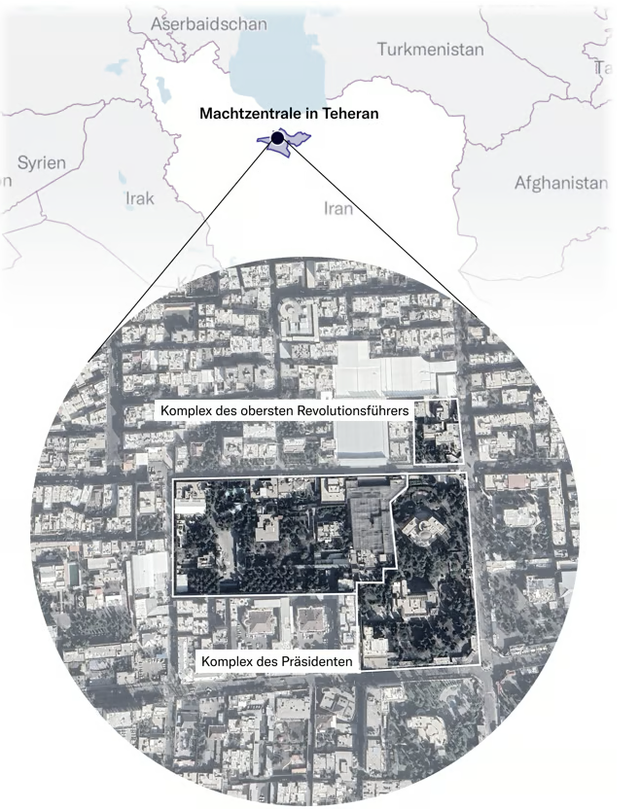
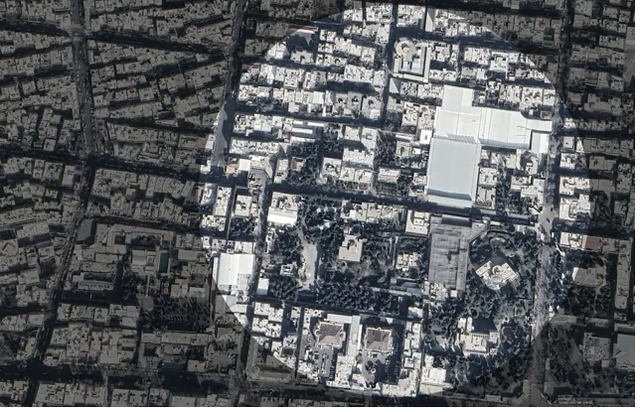
However, it is surprising how quickly Khamenei was able to be sidelined. The Supreme Leader's downfall occurred during a meeting with his inner circle in the heart of the Iranian capital, Tehran. The Supreme Leader's compound, the office of the Iranian president, and other government buildings were located in the middle of a residential area.
The US foreign intelligence agency, the CIA, was aware of the meeting, and also, unlike the original plan, it was not to take place on Saturday evening, but on Saturday morning. This was reported by the "New York Times", citing CIA sources. A night attack was thus transformed into a daytime operation. The attack had to be carried out quickly because there was a risk that Khamenei would escape, a US official explained to the Reuters news agency.
Whether the CIA infiltrated Khamenei’s inner circle with agents or obtained the information through other means, it is likely to remain a secret for years. However, according to the New York Times, the intelligence agency had compiled a detailed profile of the revolutionary leader’s movements and had been monitoring his activities for months. Where he lived, who he met with, how he communicated and where he might retreat in the event of an attack were all known precisely, several people familiar with the operation told CNN. President Donald Trump praised the “very sophisticated surveillance system” and close cooperation with Israel. Khamenei could not have escaped its influence.
The environment as a weak point
In addition to traditional intelligence work, targeted hacking attacks are likely to have played a significant role, for example, on widely used public surveillance applications and systems. In addition, digital traces may have been analyzed, from social media to movement data from Khamenei’s inner circle. Even if the current targets are careful not to leave any digital footprint, unexpected security vulnerabilities have repeatedly surfaced in the past.
During last year’s 12-day war, Israeli intelligence used tracking data from the mobile phones of security personnel and drivers to identify and eliminate senior Iranian military officers. Several people also confirmed to the Financial Times that Israel had hacked CCTV cameras monitoring Iranian roads for years, collecting extensive footage of Khamenei’s entourage.
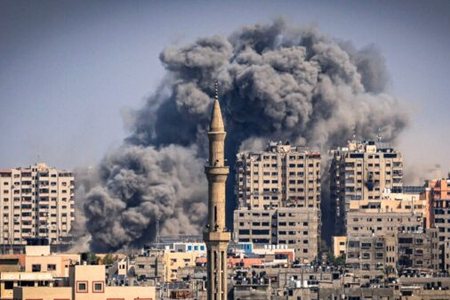
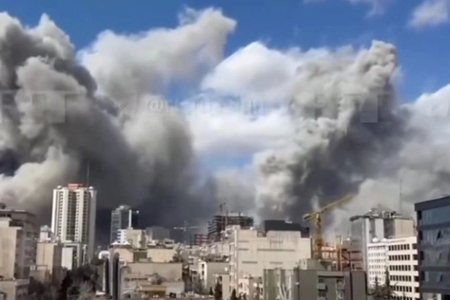
It was Israel that carried out the attack on Khamenei on Saturday. According to Israeli sources, the fighter jets took off from bases in the Jewish state at around 6:00 a.m. local time, armed with precision munitions, including what appeared to be bunker-busting bombs. The first explosions were heard in Tehran at 9:30 a.m. Shortly after, videos showed thick clouds of smoke rising from the regime’s power center complex.
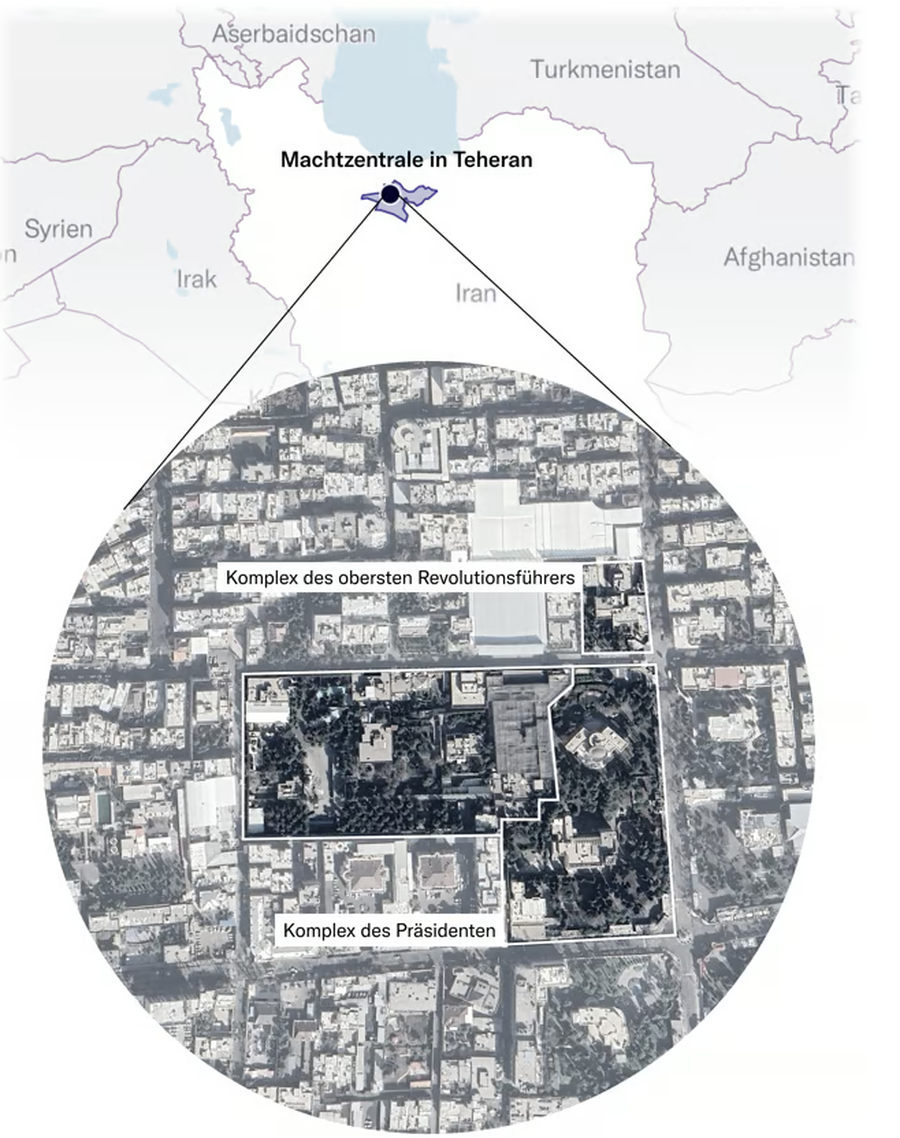
About 30 bombs hit several buildings in the complex. The Supreme Leader's office was completely destroyed. Khamenei's body was reportedly later found among the rubble. Two other government buildings were also hit. The Defense Minister, the Commander of the Revolutionary Guard, and at least two other people close to Khamenei were holding a private meeting there. They were also killed.
False security measures
It remains unclear how well the regime's power center was secured from the attacks. Detailed images from inside are scarce. Only a verified video by the Iranian activist group Dorna, allegedly filmed from a car last summer and released in late January, offers some clues.
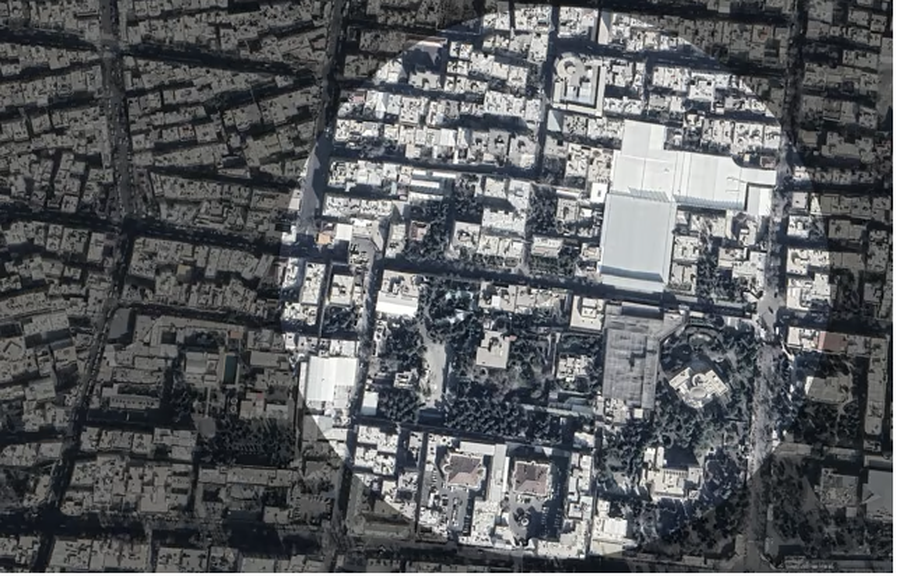
Behind a gray gate, the group of activists allegedly enters an underground complex. For years, reports have circulated of an extensive tunnel system beneath the complex, which is also said to lead to an escape bunker. Fearing attacks, Khamenei is said to have entered the underground bunker several times. The last time was in January. According to Israeli reports, close confidants have also been allegedly brought to his bunker blindfolded.
The images also show several security checkpoints with bars, metal security grilles along the entire exterior facade, and armed security guards in front of the entrance. A specially formed elite unit of the Revolutionary Guard was also responsible for protecting the Ayatollah.
It will likely remain forever unclear what motivated Khamenei and other senior regime officials to visit the same location simultaneously in broad daylight, knowing full well that it could be a prime target for a military strike. This came just a day after the arrival of the aircraft carrier Gerald R. Ford off the coast of Israel appeared to have completed the buildup of US forces. An Israeli official told CNN that Khamenei felt more confident during the day and was therefore less vigilant. /Adapted from FZZ /




Lini një Përgjigje