


 Shkruar nga Pamfleti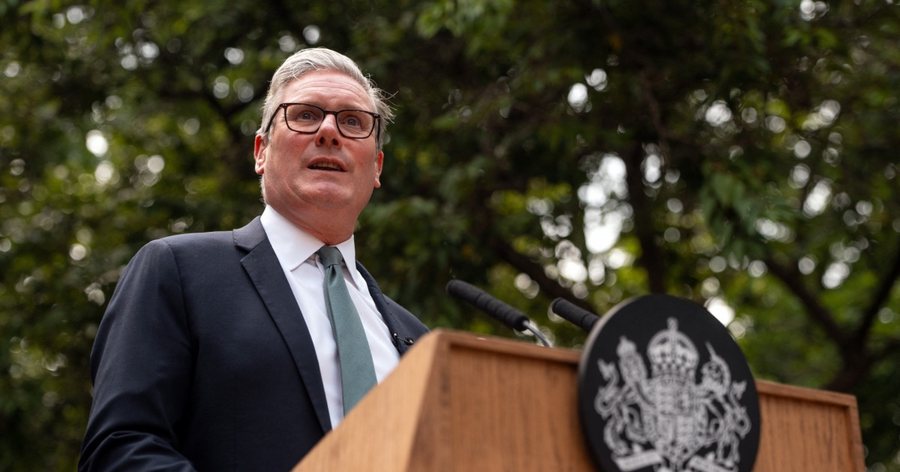
Keir Starmer has suffered the biggest revolt within his Labour majority, a year after becoming prime minister following his victory in the UK general election on July 4, 2024.
There is little to celebrate for the Prime Minister, who managed to get his much-contested welfare reform, which includes cuts to benefits for disabled people and sick workers, through the House of Commons by 335 votes to 260, but 42 of his own MPs voted a severe amendment against the proposed law. It is a blow to his image and authority, which comes amid a consensus crisis, confirmed by the latest polls.
Not only that, Starmer was forced to make an embarrassing U-turn on the measure introduced with the aim of saving £5 billion, through a series of concessions to stop the internal revolt, which also arrived at the last minute from the Labour Minister Liz Kendall, responsible for the file. A revolt that had reached over 120 MPs in recent days: a number sufficient to condemn the executive to a defeat in the parliamentary vote and sink the bill.
The government initially considered introducing more restrictive criteria for those receiving benefits, applying them only to new applicants, and then today reached a desperate postponement of the entry into force of the most significant changes, pending the results of a consultation.
A chaotic situation arose in the chamber, as highlighted by the media, and the reversal did not convince the rebel deputies, supported by associations for the protection of people with disabilities, according to whom more than 150,000 people are still at risk of ending up in a state of poverty.
“There is an endless list of alternative ways to raise money,” Labour MP Rebecca Long-Bailey said in the House of Commons debate, stressing that the most vulnerable groups should not be targeted. And another rebel MP, Rachael Maskell, called it “Dickensian shorthand from another era and another party” as she tabled an amendment to stop the reform, which was later rejected by the House of Commons.
While the Conservative opposition, led by Kemi Badenoch, voted against, accusing the government of presenting a measure that does not solve the problems of the public subsidy system, only in an attempt to close the "hole" in the finances left by Chancellor of the Exchequer Rachel Reeves.
In fact, the Treasury Secretary is busy keeping the accounts under control while the executive branch continues to announce increases in public spending on defense and rearmament, including nuclear weapons.
Also opposed to the measure are MPs from Reform UK, Nigel Farage's Trumpian party, one of Starmer's main concerns. He has been leading the polls for months and the former Brexiteer, also buoyed by last May's electoral successes, is now positioning himself as a challenger to the prime minister in the long race to the 2029 general election.
The series of difficulties facing Sir Keir, starting with the cracks in his landslide election victory a year ago and those on the economic front, can only strengthen Farage. And another piece of alarming news has arrived for the executive: a record number of migrants landed on English shores in the first six months of the year. They were almost 20,000, surpassing the previous record of 13,489 reached in 2024 when Conservative Rishi Sunak was prime minister.
This came despite draconian measures promised by Starmer to stop illegal immigration, with announcements and videos of the deportation of thousands of "illegal immigrants".
The effects, however, have not been seen, as Farage continues to gain consensus, calling for an iron fist against landings and even legal immigration.








Lini një Përgjigje