


 Shkruar nga Diplomatico | Pamfleti.net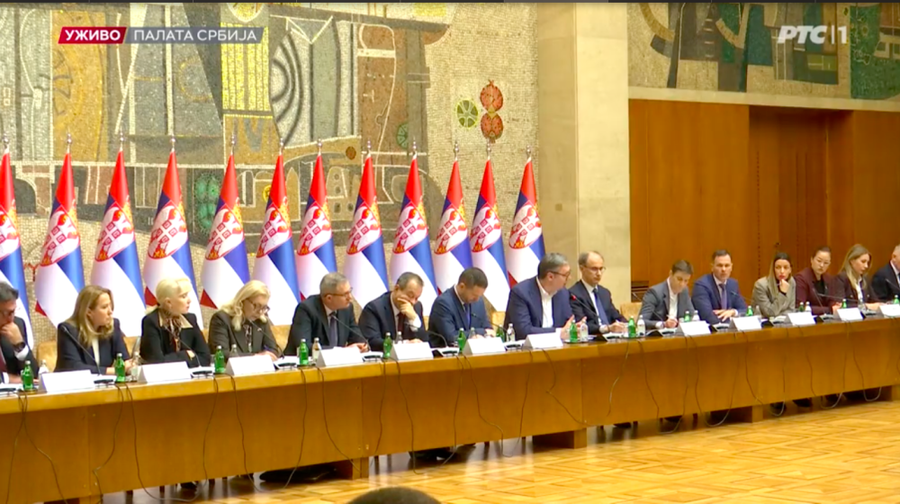
The clash over the strategic oil company ignites conflict among ministers in Belgrade, as Washington increases pressure to cut Belgrade's ties with Moscow in the energy sector.
Emergency government meeting in Belgrade after US demand to change ownership of oil company. Energy Minister announces resignation, while Vučić speaks of possible national crisis.
The Serbian government held an emergency meeting on Saturday, following increased US pressure to change the ownership structure of the state-owned energy company NIS ad, where the main shareholder remains the Russian company Gazprom Neft. This direct intervention by the United States has put Serbian institutions in the face of a serious political and energy crisis.

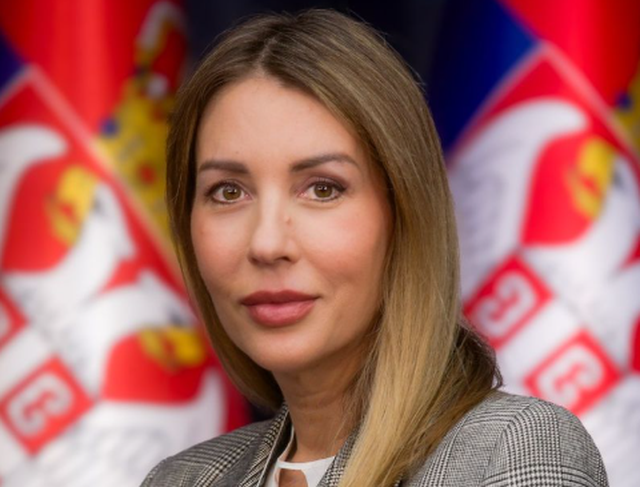
Energy Minister Dubravka Đedović Handanović stated that she "received a clear message from the US" and that Serbia must make "difficult decisions," meaning breaking away from Russian control in the strategic energy sector.
She expressed her willingness to resign if the government does not take concrete steps to remove Russian shareholders from the NIS board of directors.
According to her, it is no longer sustainable to run an energy ministry under direct sanctions from the West.

President Aleksandar Vučić confirmed the crisis was on the horizon and warned that the country could be forced to activate strategic food and fuel reserves. He did not rule out the possibility of deploying the military to help in the event of a massive supply disruption.
According to him, the problem is not just about sanctions, but about a synchronized geopolitical pressure aimed at separating Serbia from Russian influence.
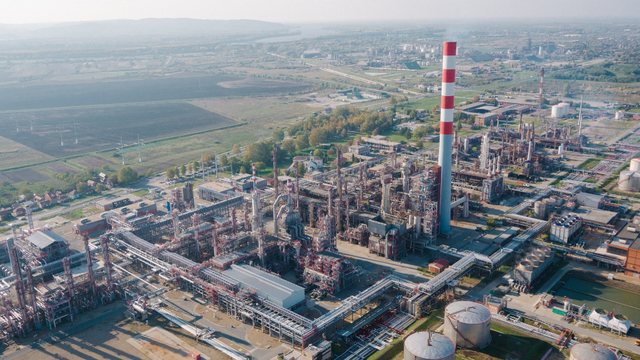
The main risk comes from the blockade of the Pančevo refinery, which is the main fuel production hub in the country. A ban on its operation would create immediate shortages on the domestic market and would also affect neighboring countries supplied through the NIS networks. Finance Minister Siniša Mali acknowledged that Serbia is at a point where there is no more room for neutral maneuver. “There is no other alternative than to protect the national interest,” he said, implying that keeping Russian capital in the energy sector poses a risk to the country’s future.
The US demand to exclude Russian capital from NIS is part of a broader campaign to de-Russify strategic sectors in the Western Balkans. According to Serbian media sources, the message coming from Washington is not advisory, but ultimatum: if Serbia does not part ways with the Russian shareholders of NIS, it will face direct financial and diplomatic consequences.
This situation also creates direct implications for Albania and other countries in the region. Recurring crises in the energy sector in Serbia could cause a chain of instability in regional markets and further complicate cooperation on joint infrastructure and trade projects. Moreover, the decision that Serbia will take on NIS will serve as a test for its geopolitical positioning between Russia and the West, with long-term consequences for strategic balances in the Balkans.
Faced with this pressure, the Serbian government is expected to give clear signals in the coming days. If Belgrade refuses to give up its Russian shareholders, it risks not only diplomatic isolation but also a deep energy crisis that could undermine domestic stability. If it accepts Washington's demands, it will have to face possible retaliation from Moscow and internal political challenges, including possible street riots./ Pamphlet





Lini një Përgjigje