


 Shkruar nga Laura Gozzi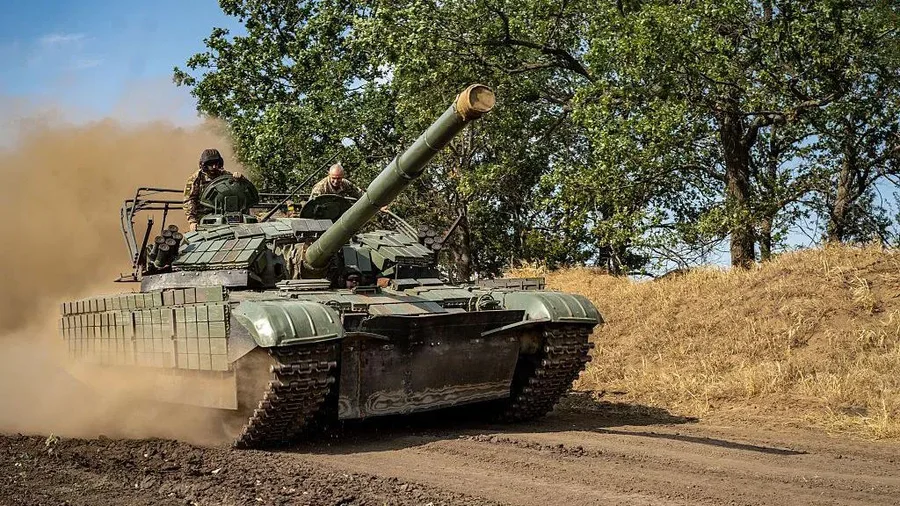
The statement underscored the nervousness Europeans feel about Moscow's actions in Ukraine, which many countries, especially those bordering Russia or those in which the memory of the Soviet occupation still lingers, believe could be under direct threat in the near future...
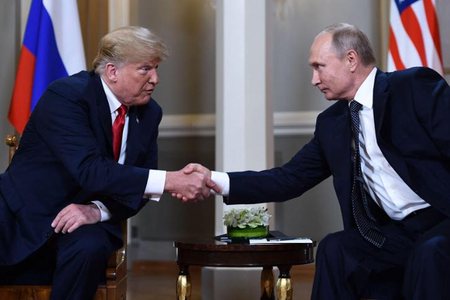
European leaders have warned they are against forcibly redrawing Ukraine's borders, three days before Russia's Vladimir Putin and US President Donald Trump hold a summit on Ukraine in Alaska.
In a statement, European leaders said that "the people of Ukraine must have the freedom to decide their own future."
The statement says that the principles of "territorial integrity" must be respected and "international borders must not be changed by force."
The declaration was signed by 26 of the 27 leaders. Among the signatories was absent Hungary's leader, Viktor Orban, who has maintained friendly relations with Russia and has repeatedly tried to block European Union support for Ukraine.
The statement underscored the nervousness Europeans feel about Moscow's actions in Ukraine, which many countries, especially those bordering Russia or those in which the memory of the Soviet occupation still lingers, believe could be under direct threat in the near future...
In recent years, Sweden and Finland have joined NATO, the Baltic states have reinstated military conscription, and Poland has allocated billions of dollars to build a barrier along its border with Russia.
European countries have a long history of redrawing borders from bloody wars and are extremely concerned about the possibility that the US will allow this to happen in Ukraine. Legal recognition of Russian sovereignty over forcibly occupied territories is unacceptable to the EU.
Donald Trump has insisted that any peace deal will include "a land swap" and could see Russia take the entire Donbas region of eastern Ukraine and keep Crimea. In return, it would give up the Kherson and Zaporizhzhia regions, which it has partially occupied.
Last week, while acknowledging that part of Ukrainian territory could end up being de facto controlled by Russia, NATO chief Mark Rutte stressed that this should not be officially recognized.
Formal recognition would require a change to Ukraine's constitution that would have to be approved by a national referendum, which in turn would have to be authorized by the Ukrainian parliament. This would be a significant setback for President Volodymyr Zelensky and could lead to the end of his government.
This is why currently "no one is talking about official international recognition," analyst Prof. Mark Galeotti told the BBC's Today programme.
"We would accept that at the moment Russia controls almost 20% of Ukraine, but the international borders remain what they are," said Prof Galeotti, adding that Zelensky could accept de facto control without changing the constitution.
In their statement, European leaders said that "Russia's war of aggression against Ukraine has broader implications for European and international security" and stressed the need for a "just and lasting peace."
They also said that Ukraine must be able to "defend itself effectively" and pledged to continue providing military support to Kiev, which is "exercising its inherent right to self-defense."
"The European Union underlines Ukraine's innate right to choose its own destiny and will continue to support Ukraine on its path towards EU membership," the statement concludes.
The apparent unity of the statement was broken by a line in smaller letters at the bottom of the page that emphasized that "Hungary does not see itself with this statement."
In a post on social media, its leader, Viktor Orban, said he had chosen not to support the statement because it sought to set conditions for a meeting to which the EU had not been invited, and warned leaders not to start "giving instructions from the bank."
He also urged the EU to schedule its own summit with Russia, although EU leaders have avoided direct talks with Moscow since it launched its invasion of Ukraine in February 2022.
On Monday, Trump revealed that he had sought Orban's advice about Ukraine's chances of winning against Russia on the battlefield. "He looked at me like, 'What a stupid question,'" Trump said, suggesting that Orban thought Russia would continue to wage war until it defeated its adversary.
Meanwhile, Zelensky continued to express skepticism that Russia was serious about ending the war. "On the contrary, they are making moves that indicate preparations for new offensive operations," he said in a statement on social media.
The Ukrainian military has downplayed reports of a Russian advance north of the besieged Pokrovsk logistics center in the Donetsk region, but admitted it is facing a "difficult and dynamic" situation.
Trump and his Russian counterpart Vladimir Putin are expected to meet in Alaska on Friday.
Before that, EU leaders will hold talks with Trump on Wednesday. UK Prime Minister Sir Keir Starmer said on Monday that peace would be "built with Ukraine, not imposed on it." /Adapted from BBC/


Lini një Përgjigje