


 Shkruar nga Pamfleti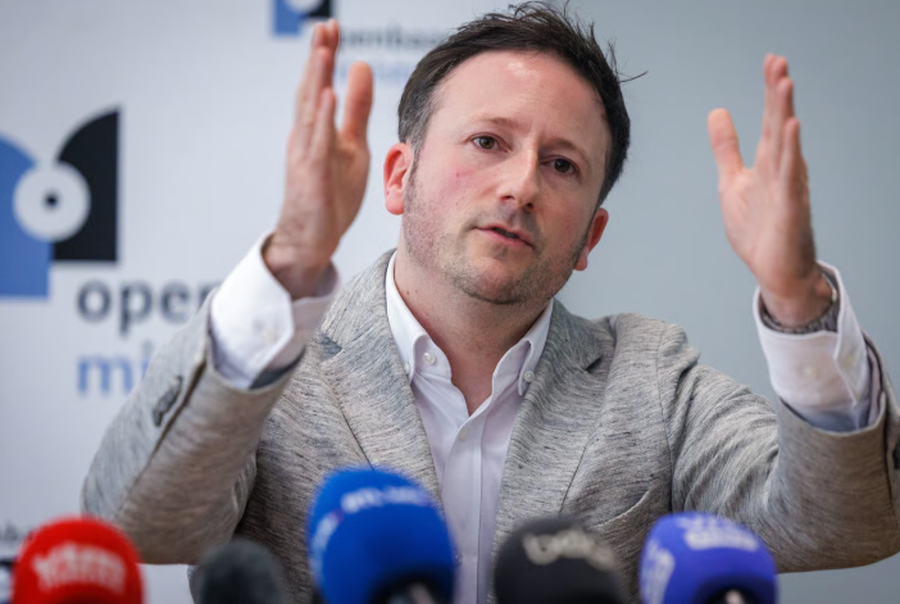
Brussels Public Prosecutor Julien Moinil sounded the alarm during a press conference, saying that drug gangs are destroying the city, while he strongly accused politicians of being soft on acts of violence and the use of weapons. Referring to the figures, Moinil, who is under police protection after receiving threats from drug traffickers, said that during this time, 2 people were killed and 8 others were injured, in 20 conflicts or attacks where firearms were used
"Anyone in Brussels can be hit by a bullet," Moinil said at a press conference on Tuesday, adding "it's time for us to wake up and clean up the drug-filled camps."
Referring to a specific case, the Brussels Prosecutor said that “it was 2:00 p.m., in the middle of the day, when a bullet went through the windshield of a car in which a mother and her 9-year-old child were sitting. She was almost killed. Are we going to wait until innocent civilians are killed before we get the necessary resources?” This statement by Moinil was preceded by another, where the Brussels Prosecutor said that he had not received the requested support in terms of human resources in the fight against crime.
Moinil said the current policy to deal with drug users was inadequate and that surveillance cameras were broken or missing in some parts of Brussels. Even when caught, he said, criminals simply went about their business on a mobile phone from inside the prison.
Seven shootings occurred last week alone, with the latest incident on Sunday evening, bringing the total number of incidents this year to 57. The districts most affected in the latest wave were Anderlecht, Molenbeek-Saint-Jean and Schaerbeek, according to data from the public prosecutor's office.
Authorities have linked most of the shootings in the Belgian capital to drug trafficking and disputes between gangs trying to gain territory. Crime fueled by the illegal drug trade has long been a problem in Belgium, due to the large quantities of cocaine and other illegal substances arriving through the port of Antwerp in the north of the country.
In its coalition agreement, the government led by Flemish nationalist Bart De Wever promised a “zero tolerance” policy for drugs in and near metro and train stations, and a merger of Brussels’ six police districts into a single department. In July, Interior Minister Bernard Quintin announced that the latter promise would be fulfilled in 2027.
The Brussels region still does not have a functioning government, more than 400 days since the elections in June 2024.




Lini një Përgjigje