


 Shkruar nga Pamfleti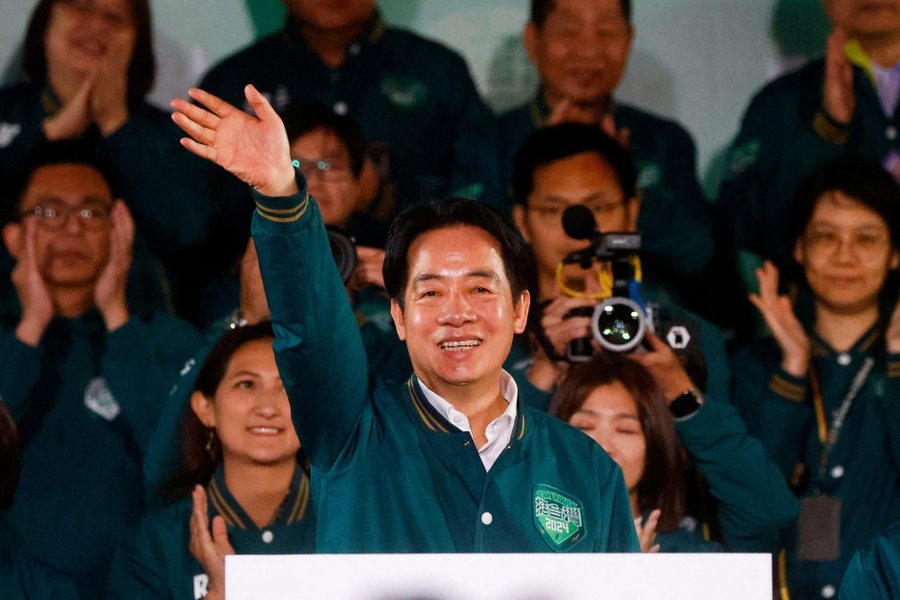
This evolution, cultural and political, comes with risks. Lai's victory forces Xi to confront his lack of progress. And while China's full response will emerge over months or years, border problems show no sign of abating and are likely to intensify.
The leader of China, Xi Jinping, has made a special promise to his people: the reunification of the motherland with Taiwan. The Chinese Communist Party views Taiwan as sacred and lost territory. Even a few weeks ago, Xi called the reunification of the two countries an "inevitable historical event."
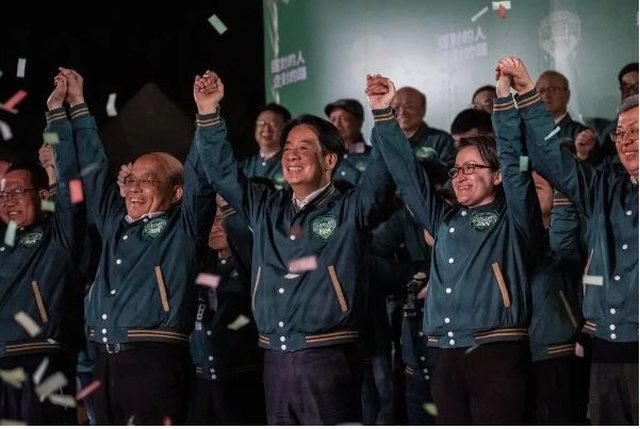
But Taiwan's election on Saturday gave the presidency to a party promoting the island's distinct identity for the third time in a row. This victory confirmed that this democracy has drifted further away from China and its dream of unification.
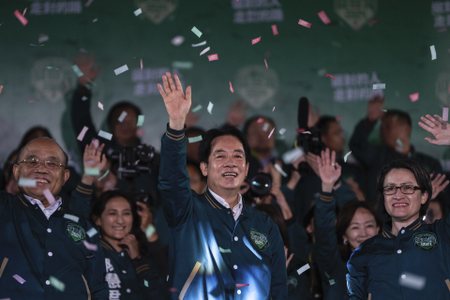
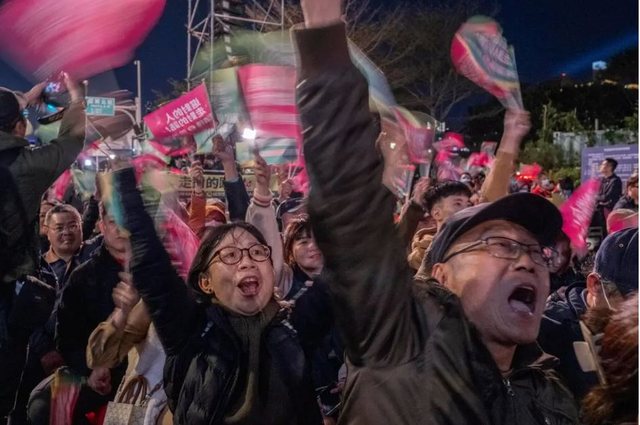
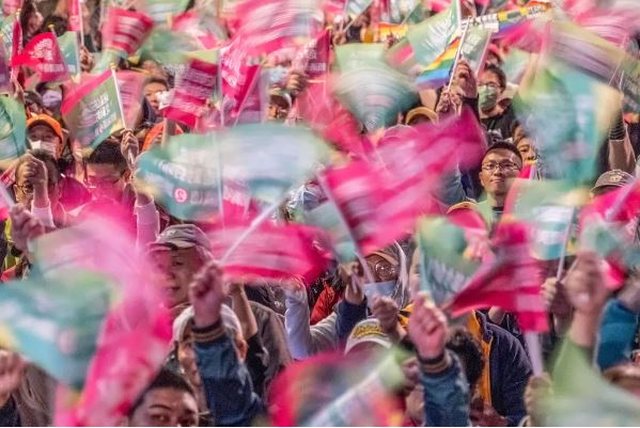
After a campaign of festival-like rallies, where huge crowds shouted, danced and waved the country's flag, Taiwan's voters ignored China's warnings that a vote for the Democratic Progressive Party was a vote for war, as they voted for exactly what Beijing he said no.
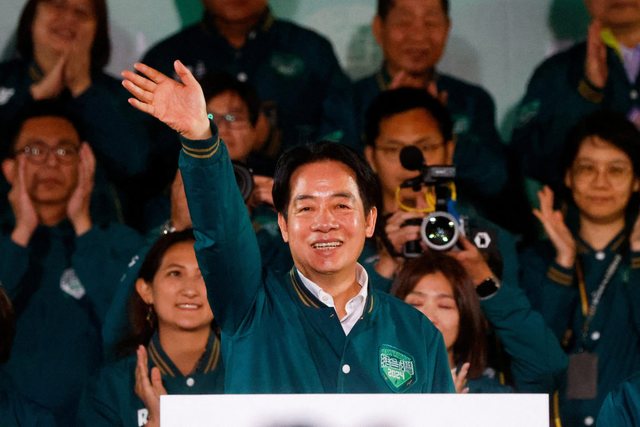
Lai Ching-te, a former doctor and current vice president who Beijing sees as a staunch separatist, will be Taiwan's next leader. It's an act of self-ruled defiance that confirmed what many already knew: Taiwan's disengagement from Beijing, more economic independence, and more military provocations at sea and in the air. These have strengthened the island's desire to defend its de facto independence and to move beyond China's giant shadow.
This evolution, cultural and political, comes with risks. Lai's victory forces Xi to confront his lack of progress. And while China's full response will emerge over months or years, border problems show no sign of abating and are likely to intensify.

China and the United States have made Taiwan a test of competing sensibilities and visions. For Beijing, the island is a remnant of its civil war, with which the United States has no business. For Washington, it is the first line of defense for global stability, a democracy of 23 million people and the world's microprocessor factory.
The giant stakes add weight to any words or policies Lai or his party might express now and after his inauguration in May. With Taiwan's sense of independence and China's expectations in conflict, Xi is not expected to sit idly by.
During the campaign, Lai, 64, a veteran politician respected by supporters for his quiet determination, said Taiwan did not need formal independence. At a news conference after his victory, he said he would seek a balanced approach to cross-strait relations, including "cooperation with China," following in the footsteps of his predecessor, Tsai Ing-wen.
But there is little chance that China will change its mind.
"Lai Ching-te është një figurë impulsive dhe e njëanshme politikisht, kështu që ne nuk mund të përjashtojmë mundësinë që zhvillime të paparashikueshme dhe të panjohura mund të ndodhin gjatë mandatit të tij", tha Zhu Songling, një profesor i studimeve në Tajvan në Universitetin Union të Pekinit.
Studiuesit perëndimorë të politikës kineze nuk janë shumë më optimistë.
“Katër vitet e ardhshme nuk do të jenë të qëndrueshme në marrëdhëniet SHBA-Kinë dhe marrëdhëniet e ngushta”, tha Evan S. Medeiros, një profesor i studimeve aziatike në Universitetin Georgetown.
Kina do të vazhdojë të përpiqet të manipulojë politikën e Tajvanit me dezinformata, kërcënime dhe stimuj ekonomikë. Zyrtarët kinezë kanë lënë të kuptohet gjithashtu se mund të synojnë tregtinë, duke eliminuar më shumë koncesione tarifore.
Stërvitjet e zgjeruara ushtarake janë një tjetër mundësi. Avionët luftarakë kinezë, dronët dhe anijet tashmë shkelin Tajvanin pothuajse çdo ditë.
Pekini ka treguar gjithashtu se do të vazhdojë ta shtyjë Uashingtonin të bëjë presion mbi Tajvanin dhe të shkurtojë mbështetjen ushtarake. Mesazhet e alarmit po bëhen një tipar i zakonshëm i diplomacisë SHBA-Kinë.

Në Uashington, në prag të zgjedhjeve të Tajvanit, Liu Jianchao, kreu i departamentit ndërkombëtar të Partisë Komuniste Kineze, u takua me Sekretarin e Shtetit Antony J. Blinken. Shtetet e Bashkuara thanë se Blinken përsëriti rëndësinë e ruajtjes së paqes dhe stabilitetit përgjatë ngushticës së Tajvanit.
Liu, bazuar në deklarata të tjera zyrtare, ka shumë të ngjarë të paralajmërojë Shtetet e Bashkuara të mos ndërhyjnë "në rajonin e Tajvanit". Një ankesë kjo që është dhënë nëpërmjet një delegacion ish-zyrtarësh do të shkonin në Taipei pas zgjedhjeve. Vizita të tilla kanë qenë të zakonshme për dekada. Ministria e Jashtme e Kinës dënoi “bisedimet e pacipë të palës amerikane”.
Megjithatë, në Uashington nuk ka plane për të heshtur ose për të kufizuar bashkëpunimin. Krejt e kundërta. Vitin e kaluar, administrata Biden njoftoi 345 milionë dollarë ndihmë ushtarake për Tajvanin, me armë të nxjerra nga rezervat amerikane. Projektligjet në Kongres do të forcojnë gjithashtu lidhjet ekonomike me Tajvanin, duke lehtësuar politikën tatimore dhe duke hedhur një themel për sanksionet ekonomike kundër Kinës nëse ajo sulmon.
Shtetet e Bashkuara mund të rrisin bashkëpunimin për sigurinë kibernetike. SHBA mund të kërkojë të vendosë pajisje logjistike ushtarake në ishull, një strategji që Pentagoni po prezanton në të gjithë rajonin.

Është gjithashtu një sekret i hapur që këshilltarët ushtarakë amerikanë, kryesisht oficerë në pension, po zhvendosen në Tajvan. Disa zyrtarë tajvanezë i quajnë "mësues anglezë". Nën drejtimin e Lait, shumë të tjerë mund të zhvendosen në ishull.
"Beijing has turned a blind eye, so the question is: What will make China 'implode?'" said Wen-ti Sung, a political scientist at the Australian National University's Taiwan Studies Program.
War, of course, is not inevitable. It may be less likely now, when China is preoccupied with a bleak economy and the United States is preoccupied with wars in Europe and the Middle East.
"It is in China's national interest to expand the path of peaceful integration so that they don't have to fight. There are a lot of people watching this interaction and Beijing's reaction, all the investors are watching too ," said Professor Shirk.
Most Taiwanese see their future elsewhere. On Saturday, many said they hoped the government could use the powerful semiconductor industry to build ties with Southeast Asia and Europe.
During the campaign, any identification with China seemed to have been erased. Although Taiwan's official name is the Republic of China, something left over from when the Chinese Nationalists were there. At Lai's rallies, supporters wore bright green jackets with "Team Taiwan" written in English on the back.

Even the Nationalist Party, known for favoring closer ties with Beijing, emphasized deterrence, the status quo and Taiwanese identity. Her candidate, Hou Yu-ih, spoke with a strong Taiwanese accent that Mandarin speakers unfamiliar with the local inflections had difficulty understanding him.
In many ways, the election was less of a referendum on China's politics than usual. Cost-of-living issues became more dominant in part because the foreign affairs candidates' platforms were all in line with what most people said they wanted: a stronger military, closer ties to the democratic world, and a commitment to the status quo that avoids provoking Beijing but also seeks to get out of its orbit.
"What we want is to preserve our way of life," said Alen Hsu, 65, a retiree who said his father came from China and his son serves in the Taiwanese Air Force.
"China simply cannot be trusted," he added. / Adapted "Pamphlet" from "New York Times"



Lini një Përgjigje