


 Shkruar nga Pamfleti
Donald Trump does not want further attacks on Iranian infrastructure...
The Middle East region witnessed a major escalation of conflict today, with attacks targeting critical energy infrastructure, jeopardizing global energy security. This morning, the Israel Defense Forces (IDF) announced that they had carried out airstrikes on five gas stations in southern Lebanon, belonging to the Al-Amana Fuel Company. According to the IDF, this company is controlled by Hezbollah and serves as essential economic infrastructure that supports the group’s military capabilities. The attacks were carried out overnight and aimed to disrupt Hezbollah’s financing and mobility.
Images from the Lebanese state news agency NNA showed a destroyed station in Deir Qanoun Al-Nahr, with damage to surrounding buildings and black smoke rising into the sky. Later in the day, Iranian state media reported that Israel, with the support of the United States, had attacked parts of Iran's oil and natural gas production facilities, including the South Pars field, the world's largest natural gas field, shared between Iran and Qatar.
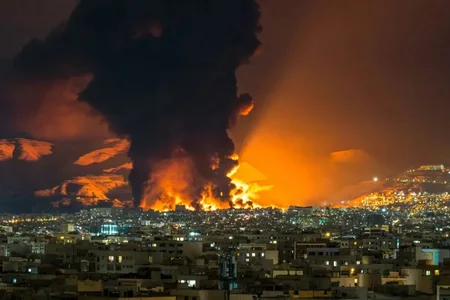
The attack focused on the Asaluyeh area in southwestern Iran, causing fires and damage. A US official denied direct US involvement in the attack, saying it was carried out by Israel. Israeli officials told media that the attack was carried out in coordination with the US.
Gulf Arab states reacted immediately. The UAE Foreign Ministry called the attack a “serious escalation” that threatens global energy security, regional stability and environmental safety, calling for respect for international law and avoiding targeting vital infrastructure. Qatari Foreign Ministry spokesman Majed al-Ansari described the action as “dangerous and irresponsible,” warning of risks to the environment, populations and regional security. Iran reacted strongly.
The Islamic Revolutionary Guard Corps (IRGC) warned of “strong action” and declared that Iran considers it legitimate to target the energy infrastructure of the “country of origin.” The IRGC called for the immediate evacuation of residents and workers near oil facilities in Saudi Arabia, Qatar and the United Arab Emirates, declaring them “legitimate targets.”
Following the warning, attacks on infrastructure in the Persian Gulf were reported. In Qatar, the Interior Ministry said civil defense teams were responding to a fire at Ras Laffan Industrial City, a key natural gas processing center, after a “targeting by Iran.” QatarEnergy confirmed the missile strikes caused “significant damage” but no casualties; emergency crews brought the fires under control.
Qatar's Foreign Ministry called the attack "shameful" and a "flagrant violation of sovereignty," accusing Iran of pushing the region toward the abyss. Qatar said the country reserved the right to respond and declared Iranian military and security attaches "persona non grata," giving them 24 hours to leave.
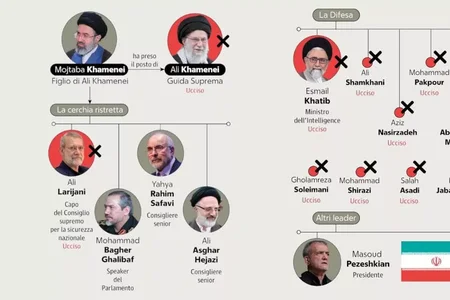
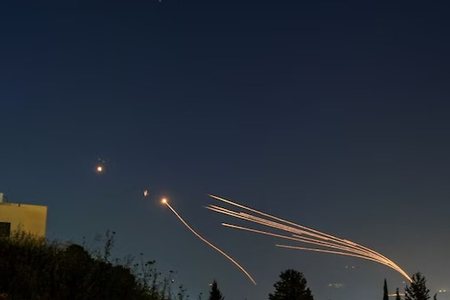
In Saudi Arabia, the Defense Ministry announced that it had intercepted four ballistic missiles over Riyadh, with debris falling in the city without damage, and two drones, one aimed at a gas plant in the Eastern Province without damage. Iranian President Masoud Pezeshkian warned that the situation could lead to “consequences beyond control” that would affect the entire world.
Following this escalation, it is reported that Donald Trump does not want further attacks on Iranian infrastructure, but supported the attack on South Pars as a message to Tehran about the Strait of Hormuz and that he may allow such attacks again if Iran blocks the sea route.
This chain of attacks marks the most dangerous escalation yet, involving critical energy infrastructure and increasing the risk to global energy markets and regional stability./ Pamphlet



Hahaha, i dogji bytha Donaldit! Eh mo Donald, ta hodhen cifutet me duket! Ne futen ne loje, e spo del dot!