


 Shkruar nga Pamfleti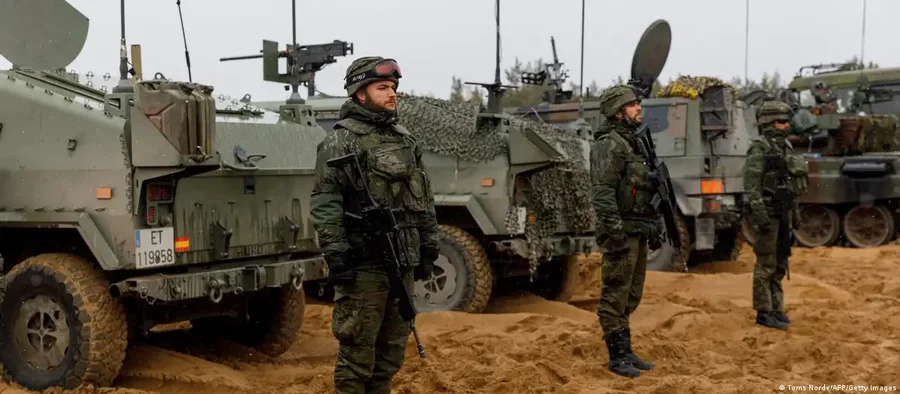
Russia's war against Ukraine has awakened Europeans from their slumber in terms of security policy issues. More money will be given for defense. But money alone is not enough, says the European Defense Report.
Europe is not invulnerable. This is the main lesson learned from the Russian attack on Ukraine. And Europe reacts. Mostly giving money. The German government, for example, has given special funds of 100 million euros to close the biggest gaps. And in the future, Germany will give two percent of the national product to the army, a task that NATO member countries have determined in 2014. In 2022, four European NATO member countries reached the goal of two percent
The second lesson only seems to contradict the first lesson, because it talks about "new military equipment": "We are seeing exactly in Ukraine, that at the same time very economical drones and Loitering Munitions (reserve ammunition) are playing very big role." As a third lecture the MSC authors say that "satellite-based communication is very important to maneuver drones but also to ensure communication between different parts of the crew," says Schütte in an interview with Deutsche Wellen.
The Ukrainian military, for example, makes heavy use of the Star-Link system's network of near-earth satellites built by American entrepreneur Elon Musk. MSC expert Schütte explains that in the medium term the EU will become dependent on private enterprise. "There is a European initiative to launch 170 satellites into this near-Earth orbit. Thus the EU will also fill this specialization gap."
Fragmented arms industry
If this is achieved, then this would be a rare example of cooperation achieved within the EU. Especially in matters of armaments, cooperation is difficult to achieve. The EU does not have a European army; The 27 member countries have their own national armies. And not even a dozen EU countries have their own arms industry. As a result, the fragmentation is very large, says the social democratic politician, Hans-Peter Bartels. "The big obstacle is the sectionalization of the industry. We have too many systems companies in Europe, companies that get so few orders that they have a hard time surviving in tough times. And now that they are being given more money, they rightly see no need to merge with each other. But this makes everything expensive and confusing from a technical point of view." As a reaction to the Ukrainian war,
But, warns the new European report, European Defense Report published by the Security Conference in Munich, the increase of financial means is really very important. But the issue is how the money can be used as efficiently as possible.
Lessons from the Ukrainian war
To compile its report, the Munich Security Conference, MSC, first looked at how the war in Ukraine is unfolding. The authors of the report have drawn three main lessons from the war, says Leonard Schütte, who has made a major contribution to the report: "The first says that the so-called "old military goods", i.e. tanks, artillery, anti-aircraft defense, will continue play a big role."
Bartels knows what he's talking about. For five consecutive years, until 2020, he has been in charge of defense issues in the German parliament. In conversation with Deutsche Wellen he says: "We really need European firms! As Airbus is in the civil sector, a European company that produces aircraft for the world market. We should have the same at least for large complex weapons systems, having at most two or three European firms to be able to compete with each other at the highest level.
Në fjalimet që mbahen gjithnjë premtohet bashkëpunim evropian. Kancelari gjerman Olaf Scholz, për shembull kërkoi në deklaratën qeveritare të 22 qershorit: “Përpjekjet tona në fushën e mbrojtjes në Europë duhet të lidhen me njëra tjetrën, ne duhet t’i japim një perspektive afatgjatë industrisë së mbrojtjes në Europë dhe duhet të përshpejtojmë prodhimin e saj,” theksoi kancelari gjerman.
Por idetë e mira përplasen në praktikë menjëherë me egoizmat kombëtare. Eksperti për çështjet e sigurisë tek MSC, Schütte thotë: “Në kuadër të kërkimeve të bëra për të shkruar raportin ne pamë në të kaluarën për të gjetur nëse ka patur ndonjë shembull pozitiv bashkëpunimi në fushën e armatimit, shembull prej ku mund të nxirren leksione. Por gjetëm shumë shumë pak raste.”
Fragmentimi i madh bën jo vetëm që shpenzimet të jenë më të mëdha, pa qenë nevoja, thotë autori i raportit Schütte. Ai shqetësohet edhe për kostot e mëdha për ushtrinë: “Ne e shohim këtë në gjëra shumë të thjeshta, si për shembull tek municioni për artilerinë. Municioni që blihet në Gjermani, nuk mund të përdoret nga artileria e vendeve të tjera, sepse standartet janë të ndryshme. Kjo është absurde.”
Por edhe aty ku shkruhet bashkëpunim, përçarja është shpesh brenda. Për shembull projekti gjermano-francezo-spanjoll FCAS për zhvillimin e përbashkët të një sistemi të ardhshëm të mbrojtjes kundërajrore, është kthyer në shesh grindjesh të pafundme për të drejtat e patentimit, për pjesën e punës dhe përgjegjësisë, thotë eksperti për çështjet e mbrojtjes, Bartels. “Kjo duhet të marrë fund! Projekte të tilla duhet të jenë në dorë të një firme vërtet europiane, që merr përsipër të gjithë përgjegjësinë,” thotë kryetari i Shoqatës gjermane për politikën e sigurisë, GSP, Bartels.
Probleme të mëdha ka edhe në projektin e përbashkët gjermano-francez për të ndërtuar së bashku një tank luftarak modern, të njohur me shkurtimin MGCS, shkurtim i krijuar nga inicialet e Main Ground Combat System. Projekti po zvarritet dhe industria gjermane e armatimit është duke prodhuar ndërkohë tanke alternativë.
Lufta e Ukrainës ia ka bërë më në fund të qartë të gjithëve domosdoshmërinë e një bashkëpunimi më të mirë dhe sidomos më efektiv. Leonard Schütte sheh këtu një mundësi: “Nëse nuk e ndryshojmë tani bashkëpunimin tonë, atëherë kur do ta bëjmë?”
Schütte sheh ndryshimet e para. “Duke reaguar ndaj luftës në Ukrainë, BE ka filluar për herë të parë ta japë mjete financiare për ta bërë interesant sigurimin e përbashkët të produkteve. Kjo nuk ka ndodhur më parë.”
Raporti European Defense Report flet edhe për një problem tjetër: Boshllëqet në krijimin e rezervave dekadave të kaluara janë aq të mëdha, saqë disa shtete janë duke dhënë porosi të mëdha armatimi në vendet jashtë BE-së. Sepse mallrat e kërkuara të armatimit vihen atje më shpejt në dispozicion. Por kjo gjë dobëson industrinë europiane të armatimit, dhe krijon varësi në afat të gjatë.
A dilemma that arises between speed and European sovereignty. The German Minister of Defense, Boris Pistorius, has made the decision. And he has decided on the tempo. "The time factor", it says in an instruction of the Ministry of Defense of the end of April, "has a high priority and is with immediate effect the decisive factor in all existing projects and new armament projects of the German army, in order to make the secured products usable for the troops as soon as possible."/DW/




Lini një Përgjigje