


 Shkruar nga Pamfleti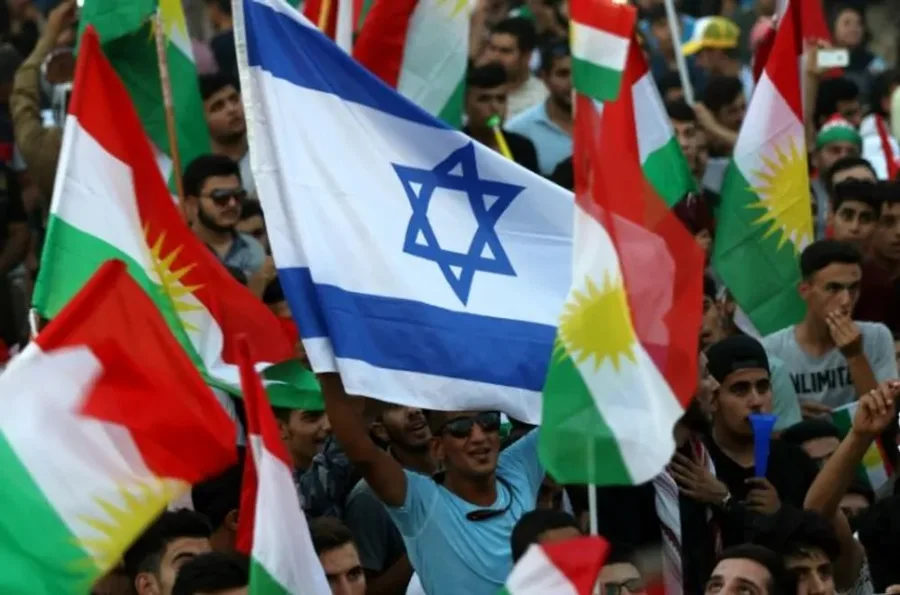
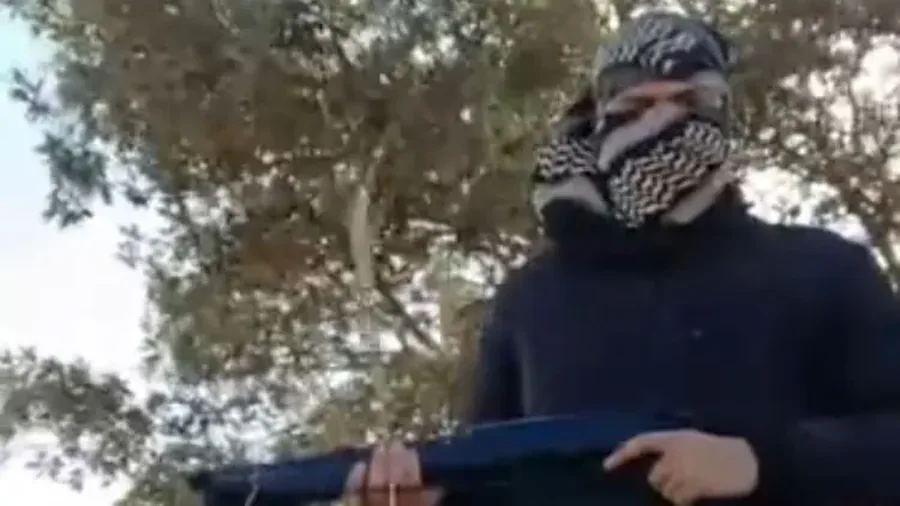
A Kurdish armed group, which claims to have hundreds of fighters on standby, is seeking to contact the IDF, Israeli media outlet i24news reports.
A PAK official says their fighters are mostly based in Iraq with dozens of cells inside Iran. The official says that over the past two nights, regime forces have been deployed extensively in Iran's Kurdish cities; in the area they call Rojhalat, or eastern Kurdistan.
PJAK, KDPI, and Komala issued statements distancing themselves from separatist ideals and focusing instead on the national goal of advancing Kurdish rights, whoever leads Iran.
For Komala and the KDPI, it is unclear whether the regime will actually fall.
964media quotes a commander as saying that “Israel does not seem to want regime change in Iran. If it did, it would destroy Evin Prison in Tehran and similar prisons in other cities. That is why we should stay away from this.”
There has been some ambiguity in Israel's message about whether or not it seeks regime change in Iran as a war goal.
Some Kurds are concerned about a push to install the Shah's son, Reza Pahlavi, in power, someone who has a large following in the Iranian diaspora and who seems to have captivated Western audiences.
When asked whether Pahlavi would be acceptable at least as a transitional figure, the PAK official said that “Reza Pahlavi’s father and grandfather were murderers of Kurdish leaders and activists. During their rule, they stained Kurdistan with blood.”
Giran Ozcan of the Kurdish Peace Institute was more diplomatic in his stance. He says Reza Pahlavi would be similar to Hamid Karzai, the American-backed President of Afghanistan. Ozcan says "he simply does not have the popular support."
The Kurds managed to create a semi-autonomous state for themselves from the ruins of the US-led invasion of Iraq, after being brutally oppressed for decades by Saddam Hussein.
In Syria, the Kurds, who were supported by the West in their battle against ISIS, have managed to maintain limited autonomy in their homeland, despite the best efforts of the Turkish military, which is occupying parts of northern Syria and carrying out regular bombings of Kurdish civilians under the guise of fighting PKK terrorism.
Ozcan says President Tayyip Erdogan's accelerated peace process with the PKK can be seen through this prism.
There seems to be some enthusiasm that something similar could happen in Iran. The PAK says it wants a pluralistic nation where the rights of all are respected. This comes at a delicate time, as Khamenei's missiles are being fired at Israel for the sixth day in a row.
Some Persian monarchists fear that the prospect of territorial division could push Iranians, already traumatized by a swift and devastating IDF offensive, back toward the regime.
Moreover, some Kurds in the region fear that talk of separatism could endanger them in both Iran and Iraq, as Iran's Kurds have long borne the brunt of an oppressive Islamist regime. Jina Mahsa Amini, the young woman who was killed for wearing the wrong hijab, was Kurdish.
It was the Kurds who came up with the slogan "Jin, Jiyad, Azadi" or "woman, life, freedom," the main rallying cry of the failed 2022 uprising that was brutally suppressed by the regime.
Kurds make up about 15% of Iran's population. They are the third largest ethnic group after Persians and Azeris. /Pamphlet adapted from i24news/


Lini një Përgjigje