


 Shkruar nga Pamfleti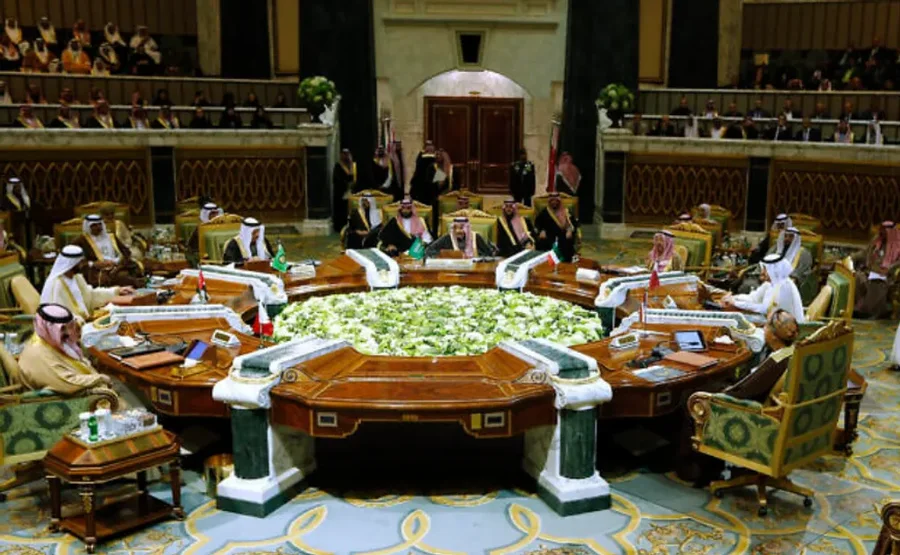
As tensions rise between Israel and Iran, Gulf states are stepping up their emergency preparedness in anticipation of a possible regional spread of the situation, particularly involving the threat of chemical or nuclear weapons.
On Thursday, the Secretary-General of the Gulf Cooperation Council (GCC), Jassem al-Budaiwi, outlined the latest measures in an interview with the Saudi daily Al-Sharq al-Awsat.
"Coordination among member states has reached advanced levels to prepare for various emergency scenarios, including those involving chemical, biological, radiological or nuclear weapons," al-Budaiwi said.
He stressed that preparations are supported by sophisticated environmental and radiation monitoring systems, which are jointly operated through a regional emergency center.
The six GCC members: Saudi Arabia, the United Arab Emirates, Kuwait, Oman, Qatar and Bahrain have also conducted joint response exercises. As a preliminary step, the GCC has partially activated its emergency response center in light of the deteriorating regional security climate. Al-Budaiwi confirmed that no radiological irregularities have been detected to date.
Beyond the preparations, the GCC is also stepping up diplomatic efforts. The bloc is pressuring the United States and the United Nations to call for an immediate ceasefire, warning that the ongoing conflict risks escalating into a wider war. “This escalation between Israel and Iran threatens to destabilize the region and could ignite a conflict that neither side intends,” al-Budaiwi warned.
Echoing this concern, the United Arab Emirates' diplomatic adviser, Anwar Gargash, called for an immediate cessation of fighting and urged a return to negotiations. "This is a defining moment with far-reaching consequences," he wrote.


Lini një Përgjigje