


 Shkruar nga Pamfleti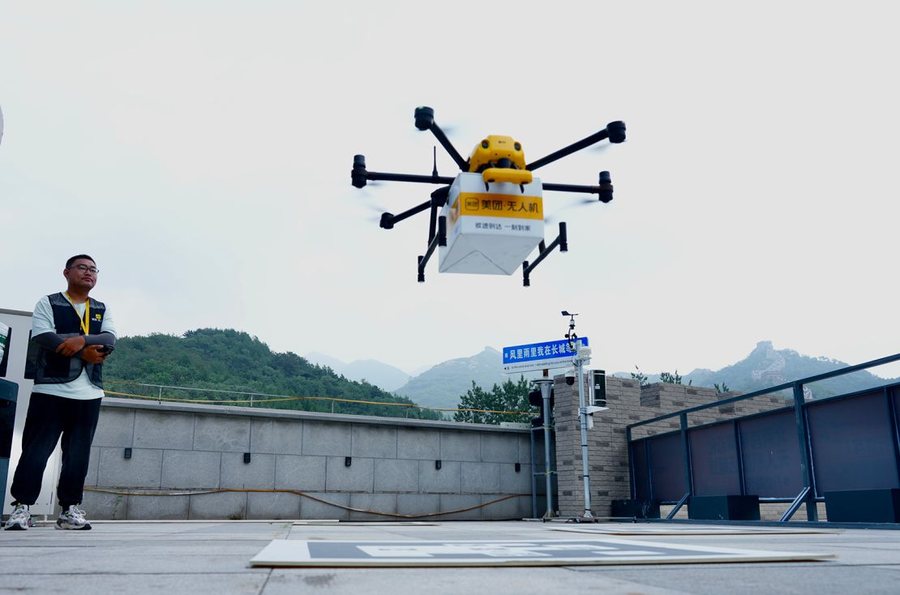
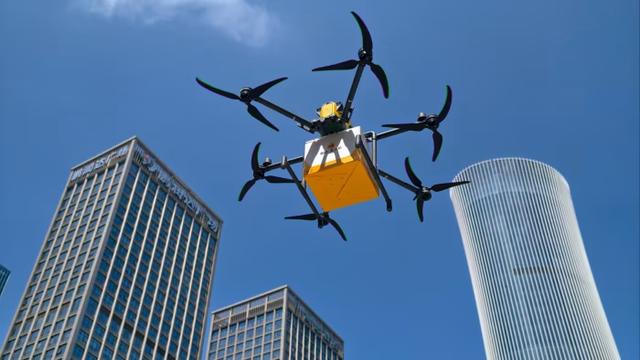
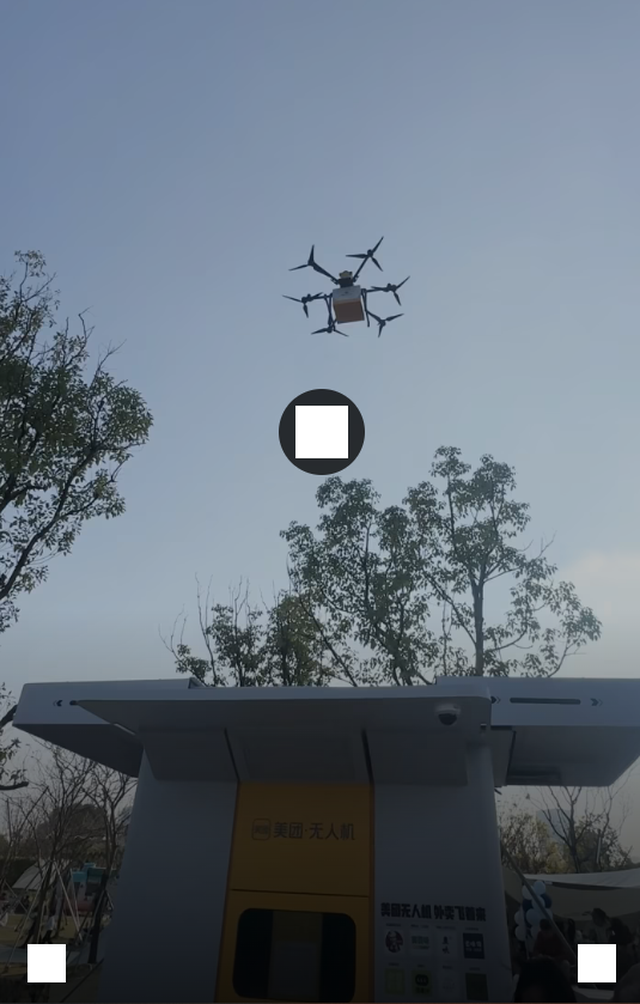
In a school district in Shenzhen, those wanting to skip school avoid surveillance drones patrolling the streets. In a nearby park, office workers receive meals delivered by drones from the food delivery app Meituan.
Elsewhere in southern China’s tech hub, drones are transporting vials of blood between hospitals, helping police departments with crowd control and putting out fires for firefighters. For years, the government has offered strong support for drone manufacturing in the form of tax breaks, subsidies and industrial parks, companies and analysts said. Now, it is trying to apply them to other sectors of the economy and make drones a new driver of growth.

The drone network in Shenzhen, which authorities have dubbed a "sky city," is at the heart of China's efforts to grow the so-called low-altitude economy, referring to activity in airspace less than 1,000 meters above the ground. By comparison, the Burj Khalifa, the world's tallest building, is 828 meters tall.
While the government and military have so far driven demand, drone makers are now looking to commercial customers.
China dominates commercial drone production, accounting for 70-80 percent of global supply, according to analytics provider Drone Industry Insights. Shenzhen is home to DJI, the world’s largest commercial drone maker by sales, as well as thousands of parts suppliers, a cluster that has made Chinese drones cheap and efficient to produce.
The country also has a strong grip on research and development, accounting for 79 percent of drone patents granted globally last year, according to a report by London-based law firm Mathys & Squire. DJI alone filed 64 patents out of 7,890 total.

The Civil Aviation Administration of China expects the size of the low-altitude economy market, which includes other innovations such as flying cars, to grow fivefold to $490 billion by 2035. In a sign of China’s ambitions for the sector, the state planner last year created the Low-Altitude Economy Development Division, a rare example of a department dedicated to developing a specific industry.
According to the latest available figures, there were nearly 2.2 million drones registered with the CAAC at the end of last year.
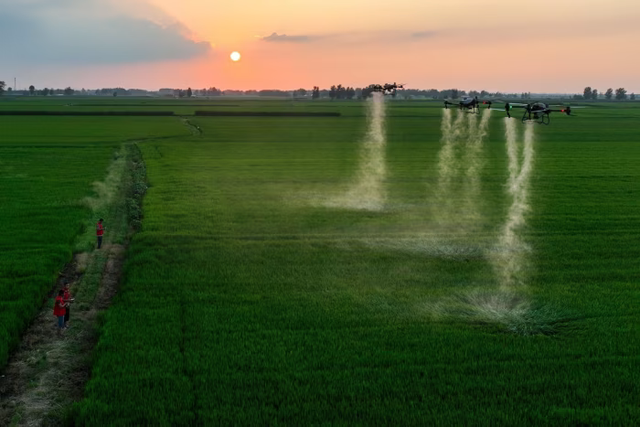
About a third of the country’s industrial drones are used in agriculture or forestry, while more than a fifth are used for geographical surveys. Other major uses include patrolling, security monitoring, firefighting and disaster relief, according to 2022 figures from analytics provider Guanyan Tianxia Data Center.
But sales of JIS’s training drones, introduced less than a year ago to teach people from various industries how to pilot the devices, now outpace those of its main agricultural products. Meituan, China’s largest food delivery platform, in April received national approval to deploy its drones to deliver takeaway food to kiosks in all cities. Rivals JD.com and Ele.me have also begun using drones on some delivery routes.

Although many manufacturers are adapting the technology for civilian use, the military remains their main customer, a number of companies said at the Unmanned Aerial Systems Exhibition, the largest commercial drone fair in China, last month.
The National University of Defense Technology has received 73 drone patents in the past two years, according to the Mathys & Squire report, although the number of applications for military technology is likely higher because patents related to national security are not made public./ FinancialTimes






Lini një Përgjigje