


 Shkruar nga Robert Kagan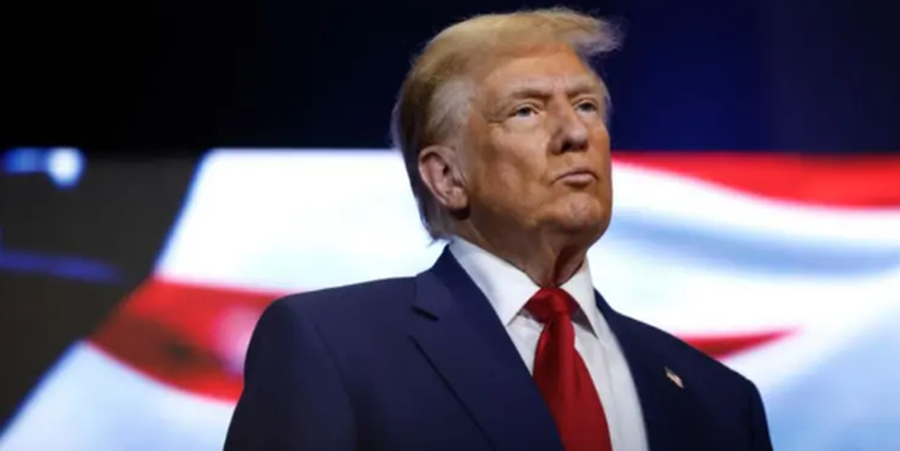
Trump surely believes, like Jefferson once did, that the world needs America more than America needs the world!
The founders of the United States knew that Americans, for better or worse, had an insatiable desire for international trade.
"They are as attached to the water as turtles and seabirds, and the love of commerce, with all the comforts and pleasures it brings, is a habit in their nature, as unchanging as nature itself," emphasized John Adams.
As early as 1785, he predicted that Americans would be forced to create "connections with Europe, Asia, and Africa," and advised that "the sooner we organize these connections into a wise system, the better it will be for us and for our children."
Thomas Jefferson would have preferred to stop all trade with the rest of the world and rely on the simple virtues of the “free farmer,” but he knew that was impossible.
“Our people have a propensity for navigation and commerce… and their servants are bound to base every action on that fact,” said Thomas Jefferson. Even the one who is often caricatured as a “Jacksonian,” Andrew Jackson himself negotiated more trade agreements with foreign powers than all his predecessors combined.
America's love of trade made it difficult to use it as a weapon against other nations.
When Jefferson forgot his lesson and tried to impose an embargo on trade with Great Britain in 1807, in response to the British navy's abuses of American merchants on the high seas, his effort backfired, even prompting talk of secession in the New England states, which were most dependent on this trade. It proved easier to persuade Americans to support an actual armed war against Britain than a trade war.
Donald Trump is now learning "the hard way" how sensitive America is when it comes to trade wars.
Not because the United States does not have, at least theoretically, an advantage. The American market is the most desirable in the world, and any restriction on access to that market should hurt other countries more than the United States itself. The ratio of international trade to GDP in the United States is about 25 percent, compared with more than 60 percent on average for all other countries. In Germany, foreign trade accounts for 90 percent of GDP. This, in theory, should make it vulnerable and give the United States an advantage.
But in practice, Americans have consistently shown that they have a very low tolerance threshold for the pain of a trade war.
Jefferson nuk gabonte kur besonte se Britania varej shumë nga tregtia me SHBA, kur nisi embargon në vitin 1807; ajo që ai nuk parashikoi ishte se vetë qytetarët e tij do të dorëzoheshin para Britanisë.
Problemi është, ose të paktën ka qenë deri më tani, demokracia! Më konkretisht, politika zgjedhore në një sistem federal ku interesat e ngushta lokale mund të kenë ndikim të gjerë në politikën kombëtare.
Një mosmarrëveshje tregtare mund të dëmtojë vetëm një sektor të ekonomisë, por nëse ai sektor përkon me një bllok të rëndësishëm votuesish, kjo mund të vendosë Shtetet e Bashkuara në një pozitë të pafavorshme në përballje me një fuqi tjetër, teorikisht më të dobët.
Një shembull i mirë i kësaj ndodhi gjatë Luftës së Parë Botërore, përpara se Shtetet e Bashkuara të përfshiheshin në luftë dhe kur Woodrow Wilson përpiqej të manovronte midis bllokadave britanike dhe sulmeve të nëndetëseve gjermane ndaj transportit transatlantik, duke u përpjekur me dëshpërim të ruante neutralitetin amerikan.
Në atë kohë, SHBA ishte shumë më pak e varur nga tregtia ndërkombëtare; ajo përbënte vetëm 11 për qind të PBB-së. Por, siç mësoi Wilson, edhe dëmi në sektorë të veçantë të ekonomisë mund të sillte trazira politike.
Megjithëse, fjala vjen, ai personalisht anonte nga britanikët, kërcënimet e Londrës për të përfshirë pambukun si kontrabandë lufte tërbuan bazën kryesore elektorale të demokratëve në jug.
Sekretari i Thesarit, William Gibbs McAdoo, kujtonte se kishte kaluar “më shumë net pa gjumë duke menduar për pambukun” sesa për çdo gjë tjetër gjatë kohës së tij në detyrë. Netët e tjera pa gjumë i kalonte duke u shqetësuar për gjetjen e tregjeve për grurin e rajoneve të Midwestit, një pjesë e madhe e të cilit ishte blerë nga Gjermania dhe vende të tjera europiane para shpërthimit të luftës. Këta sektorë specifikë, për shkak se përfshinin shtete dhe rajone që ishin thelbësore për koalicionet politike kombëtare, kishin një ndikim në vendim-marrjen amerikane, që i tejkalonte përmasat e tyre reale në ekonominë amerikane.
Trump me siguri beson, ashtu si Jefferson dikur, se bota ka më shumë nevojë për Amerikën sesa Amerika për botën – dhe mund të ketë të drejtë, të paktën në teori. Problemi është se blloqet e veçanta votuese kanë më shumë rëndësi për të sesa ndjekja e një lufte tregtare, siç e ka treguar vazhdimisht gjatë të dy mandateve të tij.
Në mandatin e tij të parë, dëmi që iu shkaktua fermerëve nga tarifat mbi importet ishte politikisht aq i madh sa që ai u detyrua të shpenzonte një pjesë të konsiderueshme të të ardhurave nga tarifat, për t’u kompensuar atyre humbjet.
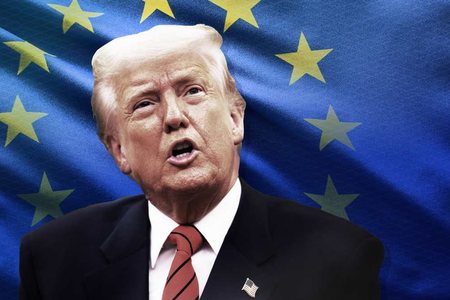
The hesitations and changes in the latest waves of tariffs this year have also been motivated by a desire not to alienate Republican voters in certain states – northern states that rely heavily on trade with Canada and states with auto industries that would suffer huge losses from tariffs on auto parts, steel and aluminum coming from Mexico and Canada. It is no coincidence that among the first “retaliatory” tariffs by the Europeans were those against Harley-Davidson and American whiskey.
Other nations may know history better than Trump and have understood that imposing tariffs on sectors of the economy that hurt Trump voters can have an impact beyond their economic value. The United States is a country that is politically divided almost in two, so marginal groups of voters can have a big effect. This significantly weakens America’s advantage. It would be different if Trump supporters were willing to endure economic hardship to demonstrate their commitment to the MAGA philosophy. As Senator Tommy Tuberville of Alabama put it: “There will be a little pain with tariffs,” but “no pain, no gain.” But the problem for Trump is that, so far — as in the past — even his own voters are showing little patience for pain.
Robert Kagan is a contributing writer for The Atlantic, a senior fellow at the Brookings Institution, and the author, most recently, of “Rebellion: How Antiliberalism Is Tearing America Apart—Again.” Taken from “The Atlantic”





Lini një Përgjigje