


 Shkruar nga Pamfleti
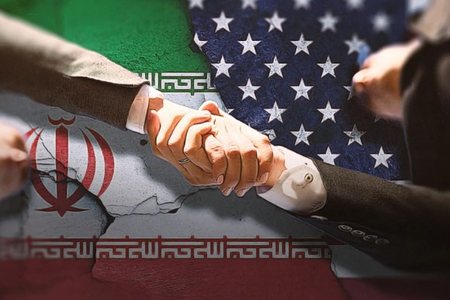
The United States wants to lure the regime in Tehran towards a comprehensive nuclear deal with a multi-billion dollar fund and the lifting of sanctions. Even before the negotiations begin, a first concession has already been made: oil exports without sanctions...
Negotiations on Iran's nuclear program have not yet begun, but there are already disagreements over the "carrot" the US is offering the regime in Tehran to convince it to suspend uranium enrichment. This includes vague promises of a multi-billion dollar reconstruction fund.
The draft memorandum being negotiated between Iran and the US, which Bloomberg published on Wednesday, states that the United States is committed to "together with its regional partners" presenting a "comprehensive plan" for Iran's economic reconstruction and development and providing financing worth "at least $300 billion."
Where this funding will come from is not specified. It is only said that the implementation mechanism will be part of a final agreement, the achievement of which is not yet guaranteed.
A senior US official told the Financial Times that the US is prepared to "allow" the creation of such a fund if a nuclear deal is reached. According to him, the funds would not come from governments, but from private companies that could invest, among other things, in the Iranian energy sector.
The term “allow” in this case means that the US would lift sanctions that have so far made such investments impossible. Iran’s energy sector has been considered underfunded for decades. Iran has the second largest natural gas reserves in the world and would be a lucrative investment destination if US sanctions were lifted.
US Vice President JD Vance has mentioned the "Gulf coalition" as a potential investor. He told CBS that US money would not be poured into such a fund.
It is not clear whether concrete talks have already taken place with Gulf states or private companies, nor who would administer the fund. The $300 billion figure may be based on Iranian estimates of war damages, which Tehran puts at $270 billion.
The memorandum is only one and a half pages long.
Equally significant, although vaguely worded, are the general US guarantees to end, after a final nuclear deal, “all types of sanctions currently applied to the Islamic Republic of Iran”.
Sipas draftit të publikuar nga Bloomberg, kjo do të përfshinte sanksionet primare dhe sekondare, si dhe masat që burojnë nga rezolutat e Këshillit të Sigurimit të OKB-së dhe të Agjencisë Ndërkombëtare për Energjinë Atomike.
Megjithatë, teksti prej vetëm një faqe e gjysmë nuk përmban asnjë detaj mbi mënyrën se si do të realizohej një proces kaq kompleks.
Irani është vendi më i sanksionuar në botë. Që nga kriza e pengjeve në ambasadën amerikane në vitin 1979, SHBA ka vendosur vazhdimisht sanksione të reja ndaj Teheranit: për programin bërthamor, programin raketor, mbështetjen e milicive të huaja, shkeljet e të drejtave të njeriut dhe mbështetjen ndaj luftës ruse në Ukrainë. Përveç kësaj, qindra individë dhe kompani iraniane janë subjekt i sanksioneve.
Rrjeti i sanksioneve është aq i ndërlikuar saqë Irani përfitoi vetëm pjesërisht nga avantazhet ekonomike të pritshme pas marrëveshjes bërthamore të vitit 2015. Shumica e bankave ndërkombëtare vazhduan të refuzonin financimin e transaksioneve me Iranin, nga frika se mund të shkelin pa dashje sanksione të tjera ende në fuqi.
Pak para nënshkrimit të marrëveshjes së vitit 2015, banka franceze BNP Paribas ishte gjobitur me miliarda dollarë për shkelje të sanksioneve. Edhe më pas, shumë banka mbetën të rezervuara. Ato kishin frikë se një administratë e ardhshme amerikane mund të tërhiqej nga marrëveshja, gjë që ndodhi realisht.
Kjo çoi në situatën e pazakontë që në vitin 2016 Departamenti Amerikan i Thesarit dërgoi drejtuesin e sektorit përkatës në Evropë për të inkurajuar bankat evropiane të rifillonin bizneset me Iranin. Megjithatë, në vitin 2018, gjatë mandatit të parë të Donald Trump, SHBA u tërhoq nga marrëveshja.
Edhe tani investitorët do të pyesnin veten se sa e qëndrueshme do të ishte një marrëveshje e re. Dalja e SHBA-së nga marrëveshja pati pasoja të rënda për ekonominë iraniane. Pasi ekonomia ishte rritur me 13,4 % në vitin 2016 falë heqjes së sanksioneve ndaj naftës, ajo u tkurr me 6,8 % në vitin financiar 2019/20, sipas Bankës Botërore.
SHBA ofron përjashtime për shitjen e naftës
Ndërsa fondi i premtuar dhe premtimet e paqarta për heqjen e sanksioneve synojnë ta nxisin Iranin të hyjë seriozisht në negociata për një marrëveshje të gjerë bërthamore, vendi ka përfituar tashmë një avantazh tjetër.
Që nga nënshkrimi i memorandumit gjatë natës së së hënës, Irani mund të eksportojë naftë pa u përballur me sanksione. Sipas draftit, SHBA do të japë përjashtime (waivers) për kompanitë e sigurimeve, bankat dhe ndërmarrjet e transportit që përfshihen në eksportin e naftës bruto dhe produkteve petrokimike iraniane.
Bloomberg raportoi se deri të mërkurën të paktën tre cisterna të ngarkuara kishin lënë portin e Çabaharit. Nuk është e qartë sa kohë do të mbetet në fuqi kjo masë.
Para luftës, Irani shiste një pjesë të madhe të naftës së tij në Kinë, por për shkak të sanksioneve detyrohej të pranonte zbritje të konsiderueshme çmimi.
The waivers and measures mentioned so far have a political advantage for Trump: they offer Iran financial incentives without using American funds. This would put him in a difficult position domestically, as he had sharply criticized his predecessor Barack Obama for freeing up Iranian funds under the 2015 nuclear deal.
At the time, Trump claimed that Obama had "given" Iran $150 billion.
The reality was more complex.
Two weeks after the deal was reached, The New York Times wrote that “no one, not even the Iranians themselves, seemed to know exactly” how much money would actually become accessible from funds frozen abroad.
The Obama administration estimated in 2015 that Iran had $100 billion to $125 billion in state assets abroad, but only $50 billion to $56 billion of them were liquid and available.
The then governor of the Central Bank of Iran stated that out of a total of $77 billion, only $29 billion was actually usable, while the rest was committed as guarantees for Chinese-financed projects, for debt repayment or for other investments.
There are no concrete figures for frozen funds.
Currently, Iranian assets abroad are estimated at around $100 billion. Some of it remains frozen, while another part is blocked due to ongoing legal proceedings.
These funds stem partly from oil sales and partly from the period before the 1979 Islamic Revolution.
They are located in bank accounts in the US, India, China, Qatar, Iraq, Japan and Luxembourg.
Iran is seeking access to $24 billion initially, but the draft memorandum does not contain any specific amount. Any payment is conditional on “progress in negotiations towards a final agreement.”
Trump made it clear on Wednesday that he doesn't care much about the wording of the memorandum. He threatened Iran with new bombings, even though both sides pledged in the document to abandon any threat of force. / Pamphlet /


Lini një Përgjigje