


 Shkruar nga Diplomatico | Pamfleti.net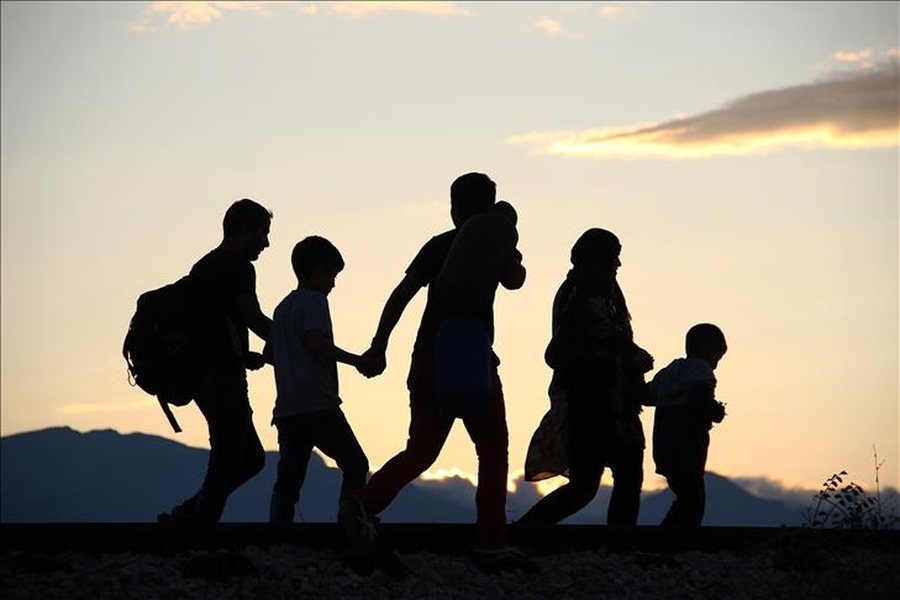
The military escalation in the Middle East risks producing the largest exodus in recent decades, testing the borders, unity and political stability of the European Union...
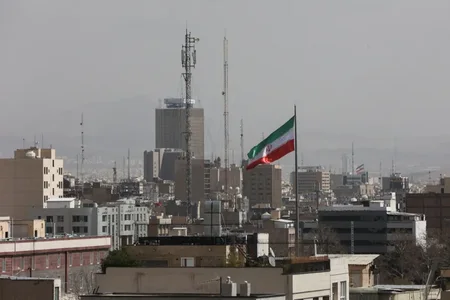
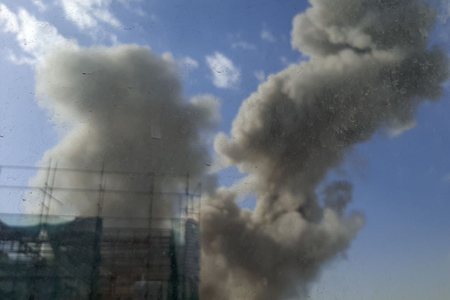
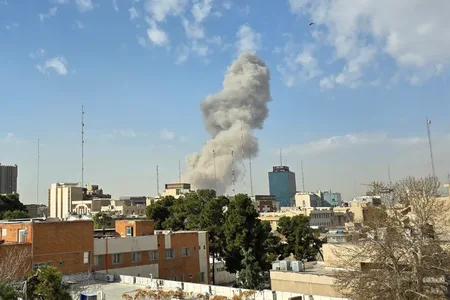
The major armed conflict that has erupted between Israel, the United States, and the Islamic Republic of Iran, which culminated in coordinated airstrikes on Tehran and major Iranian cities on February 28, 2026, is not just a military crisis; it is a historic period of mass displacement of populations to other countries. It risks triggering the largest wave of refugees that Europe has seen since World War II.
Migration and security experts are already warning that if the conflict widens and insecurity becomes widespread in Iran and the region, millions of people could flee their countries, seeking safety, shelter and protection beyond national borders. Iran’s population of over 90 million constitutes a massive refugee potential if even a small portion of it is forced to leave due to bombing, insecurity and the destruction of infrastructure.
This expected increase in the movements of residents fleeing to save their lives brings a new wave of mass migration to Europe; a socio-scientific phenomenon that the continent has not yet fully managed since the wave of Syrian and Iraqi refugees of 2015-2016.
In the event of total chaos, some estimates suggest that Europe could face several million Iranians and other civilians hoping to reach EU countries, beyond those who have arrived so far from the Middle East and Africa. This figure is higher than any recorded flow in the history of modern migration, and will redefine migration structures and asylum policies across the union.
The challenges Europe is facing are already evident: governments have tightened borders, some countries have suspended asylum procedures, and political debates over burden-sharing for refugees have become divisive within the EU. These measures are intended to limit arrivals, but if flows reach larger levels, reception infrastructure and accommodation systems will be severely overwhelmed.
The expected migration crisis is closely linked to social and political destabilization in the countries of origin. When people lose their homes due to violence, bombings or threats to their lives, they take dangerous routes, often via the Mediterranean sea routes or across land borders to EU countries. This leads not only to pressure on the asylum system, but also to social and political tensions in the host countries.
If the conflict continues or escalates, Europe will face massive humanitarian challenges, including the need for emergency shelter, health services, education for refugee children, and the social integration of thousands or millions of new arrivals. Without strong international coordination and a comprehensive migration strategy, the EU response may be fragmented and inadequate.
Likewise, such a migration crisis would not be just numerical: it would provoke fierce political debate within EU countries over burden-sharing, entry restrictions, and how to handle asylum requests humanely and effectively. Without a common approach, this could lead to tensions between member states, weakening the cooperation and solidarity that is essential for the functioning of the EU.
This potential migration crisis is more than a statistical challenge; it is a test of Europe's commitment to the principles of human rights, humanitarian support and international cooperation in times of crisis. Without the necessary precautionary measures and a coordinated global strategy, this crisis could become one of the most difficult chapters of migration and security policy that Europe has experienced in recent decades./ Pamphlet



Po do e mos qe ne evropen do vijne,SE Amerika Po debon edhe ata qe ka!u katandis evropa per mut.....a te qenit,per fat te keq