


 Shkruar nga Diplomatico | Pamfleti.net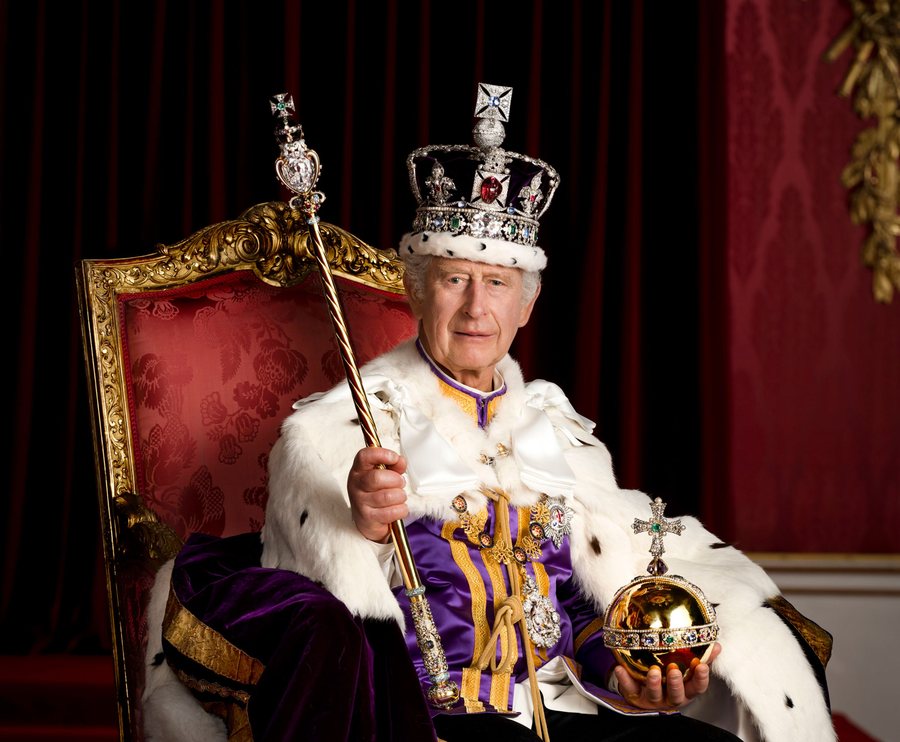
The scandal that shakes the crown: Is the British monarchy sliding towards a crisis of confidence?
The crisis that the British crown is experiencing today is no longer simply a matter of reputation, but a serious test of institutional stability.
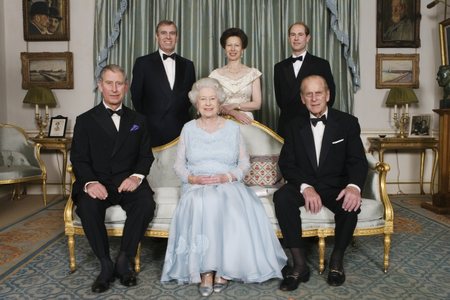
Polls recently published in the British media, and analyzed by prestigious companies such as Ipsos, show a significant decline in trust in the royal family, at a time when public opinion is more critical than ever of the way the Prince Andrew issue has been managed.
The numbers are stark and politically significant: the vast majority of Britons have a negative opinion of Andrew, and a high percentage support his removal from the line of succession. This is not just a personal blow to the Duke of York, but a clear message to the institution itself.
In a monarchy that survives thanks to the perception of integrity and moral symbolism, any suspicion of cover-up, hesitation, or lack of transparency translates into long-term erosion.
King Charles III’s response has been cautious and formal: respect for due process and institutional distancing. But the modern politics of public perception do not allow for mere procedural correctness. They require clear decision-making, sharp divisions and signals of reform. At this point, many Britons seem to believe that the palace’s response has been more defensive than transformative.
In the background stands Buckingham Palace, the symbol of the crown’s centuries-old continuity. But the symbolism is now challenged by realpolitik. Post-Brexit Britain, faced with internal polarization, economic crisis and pressure on its global role, no longer sees the monarchy as an inviolable entity. It demands accountability. And when scandals are linked to high-profile international issues, the impact goes beyond the island’s borders and affects the UK’s global image.
From a geopolitical perspective, any weakening of the crown's image also affects British "soft power". The monarchy has been a soft instrument of influence for decades, an element of stability in relations with the Commonwealth and strategic partners. If public perception at home falters, its symbolic weight abroad also fades.
However, British history has shown that the institution of the Crown has an extraordinary ability to manage crises. The crucial question today is whether this will be achieved through quiet reform or through a more assertive and public distancing from problematic figures. In an era where transparency is the currency of politics, any hesitation comes at a high price.
Britain remains a key player in NATO and the European security architecture. Any weakening of moral authority in London has an indirect impact on the internal balances of Western alliances. The internal crises of great powers are often reflected in their ability to project stability abroad.
In the end, the Andrew issue is less personal and more structural: can the British monarchy maintain legitimacy in a century that knows no institutional taboos? The answer will determine not only the fate of a prince but also the symbolic power of the crown in the decades to come./ Pamphlet





Parlamentet respektiv në Kanada dhe Australi duhet të miratojnë referendum për ndarjen ose jo nga varësia Britanike.