


 Shkruar nga Pamfleti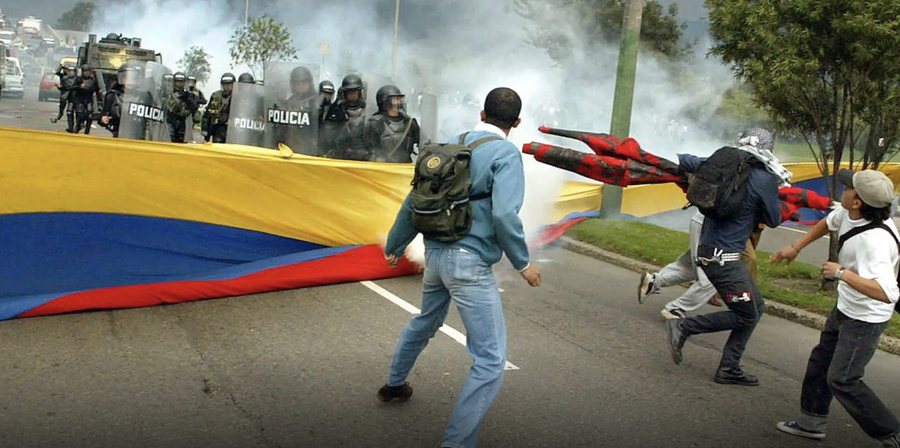
It all started with the assassination of a charismatic politician who dreamed of becoming the president of his nation and making it a great power. He was the favorite in the next election, his political vision had fascinated people and his stubbornness made him a threat to the status quo. If elected, he could have influenced the trajectory of Latin American history. If chosen, the Cuban Revolution would have taken place in Bogotá in 1950, instead of Havana in 1959.
The politician in question was called Jorge Eliécer Gaitán, he was the leader of the Liberal Party, and he would not have arrived alive in the 1950 Colombian presidential election: he was shot dead on April 9, 1948 in what remains, for all, an unresolved issue. Which continues to haunt Colombia, which has been in civil war since that damned 1948.
From the barrio to Plaza Bolívar
Jorge Eliécer Gaitán Ayala was born on an unspecified day in January 1903 in one of the poorest and most dangerous neighborhoods of Bogotá: barrio Egipto. He grew up with his mother, a teacher by profession, learning from an early age to love books and navigate the waters of difficulties.
He developed a strange character in his college years, perhaps in response to the teasing of his classmates because of his pale appearance - a reflection of malnutrition -, approaching the ideas of Colombian liberal socialism after entering the university.
Brilliant, but full of energy, bordering on the problematic, Gaitán would soon become the most popular student at the National University of Colombia, where he founded a literary circle and a liberal center. After graduating in law and political science in 1924, Gaitán received a scholarship to continue his studies in Rome. He returned to Bogotá in 1928, with a doctorate and oratorical skills learned by listening to Benito Mussolini's speeches, determined to enter politics.
His first appearance in Congress as a lawyer was a great success: Gaitán's speech, which was called to speak about the banana massacre – a massacre by the United Fruit Company – would earn him the nickname "Tribune of the people" from the press as well as recruitment to the Liberal Party.
Gaitán's path seemed destined for the presidency. In 1931, the election as Speaker of the House of Representatives. In 1933 he was appointed government negotiator in the crisis between Colombia and Peru. In 1936, he became mayor of Bogotá. In 1940, head of the Ministry of Education. In 1946 the first race to Casa de Nariño ended in third place.
Two years later, halfway through the new presidential elections, Colombia had begun to feel the effects of the beginning of the Cold War: the barbarism of political discourse, the polarization of society into extremism, the radicalization of the armed forces, as the unrest and politics of violence were a widespread and daily occurrence. Gaitán's attempts to remedy the situation by fixing the superstructure would prove fatal.
From Bogotazo to Violence
Colombia, 1948. Liberals and conservatives are at war: ambushes, skirmishes and murders occur every week. A kind of collective hysteria has gripped the ruling class, which accuses the liberals of being paid by the Soviet Union, and Gaitan's calls for calm are howls in the wilderness.
Kanë mbetur edhe dy vjet para zgjedhjeve të ardhshme presidenciale, të planifikuara për në vitin 1950, dhe Gaitán ka bërë fushatë që nga viti 1946. Ai premton të transpozojë politikat e deoligarkizimit të bujqësisë dhe masat kundër analfabetizmit që e bënë atë të famshëm në Bogota në nivel kombëtar. Ka bërë miqësi me presidentin e majtë të Venezuelës Rómulo Betancourt dhe po ndjek nga afër situatën në Kubë.
Më 9 prill, ditën e vrasjes së tij, Gaitán kishte në plan të takonte një të ri që kishte ardhur nga Havana për ta njohur, njëfarë Fidel Kastro. Por të dy nuk u takuan kurrë: tribuna e njerëzve u qëllua për vdekje nga një i panjohur rrugës për në Hotel Continental. Turma e kapi autorin e dyshuar të pritës një punëtor ndërtimi, Juan Roa Sierra, dhe e linçoi për vdekje.
Gaitán vdiq në spital disa orë pas atentatit. Njoftimi i largimit të tij nga kjo botë erdhi si një tronditje për popullsinë e kryeqytetit, e cila atë ditë shkaktoi një kryengritje të furishme, e njohur në histori si Bogotazo, e cila kulmoi me mbi 600 vdekje, 450 plagosje dhe mbi 500 arrestime. Fillimi i luftës civile para luftës civile: dhuna (la violencia).
Nga dhuna te lufta civile
Historiografia e tregon me gisht vrasjen e liderit komunist Jacobo Prías Álape, më 11 shkurt 1960 nga një komando bandoleri, si casus belli-n e luftës civile kolumbiane. Por e vërteta është se në vitin 1960, vendi kishte qenë tashmë në luftë prej dymbëdhjetë vjetësh.
Vrasja brutale e Gaitan-it inkurajoi liberalët dhe komunistët të formonin komitete vetëmbrojtjeje, të cilat shpejt u zhvilluan në lëvizje guerile, duke ndezur një rreth vicioz të hakmarrjes, i cili deri në vitin 1960 do të linte të vdekur, dyqind mijë civilë, pesëmbëdhjetë mijë guerrilas/paraushtarakë të majtë, pesë mijë guerrilë/paraushtarakë të djathtë dhe gati pesë mijë pjesëtarë të forcave të rendit dhe të forcave të armatosura.
Bota besonte se gadishulli Korean ishte teatri kryesor i konfrontimit hegjemonik midis Shteteve të Bashkuara dhe Bashkimit Sovjetik. Në fakt, ishte në Kolumbi që të dy superfuqitë kishin filluar të luftonin, në vitin 1948, duke financuar armatimin dhe radikalizimin e konservatorëve dhe liberalëve.
Nga dokumentet e deklasifikuara në vitet që pasuan, të cilat përbëjnë një pjesë pafundësisht të vogël të dosjes së Kolumbisë – e cila mbetet në thelb e klasifikuar -, doli se CIA ishte kaq e shqetësuar për figurën dhe idetë e Gaitán-it, pasi konsiderohej i aftë të projektonte Kolumbinë në orbitën e Bashkimit Sovjetik, sa që kishte një dosje për të.
Sipas një versioni të një agjenti të Langley, John Mepples Spirito, hetimi ndaj Gaitán-it ka qenë përgatitor për planifikimin e vrasjes së tij. Por ideja e atentatit nga CIA u dobësua më pas nga tërheqja e vetë Mepples dhe asnjë provë tjetër në këtë drejtim nuk ka dalë që atëherë. Gjithashtu sepse çdo dokument që disponojnë Shtetet e Bashkuara për çështjen Gaitán mban mbishkrimin “sekret shtetëror”.
Gaitán's murder, decades later, remains one of Latin America's great mysteries. An episode that helped change the course of the Cold War in the southern continent, which sparked the longest civil war of our time and halted (forever?) Colombia's race to greatness. / Il Giornale – Bota.al



Lini një Përgjigje