


 Shkruar nga Pamfleti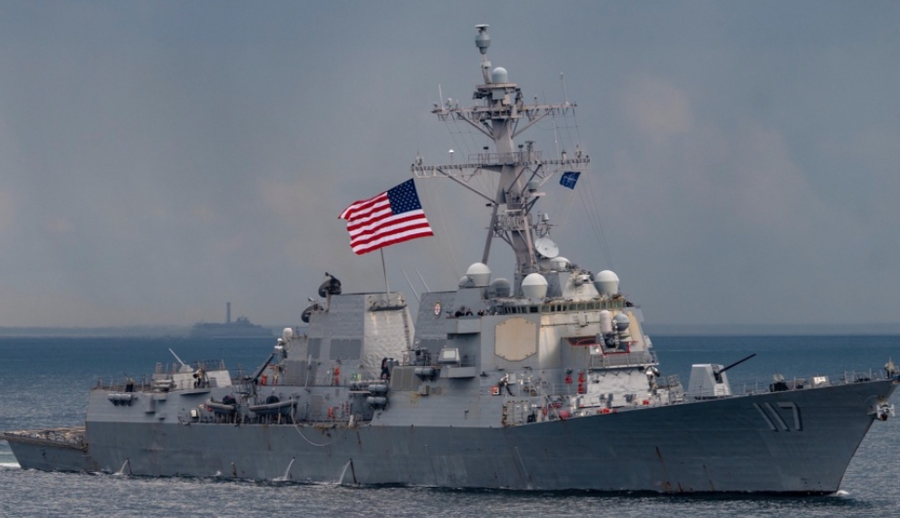
Diego Garcia will be the primary forward operating base for long-range bombing strikes targeting Iran's Fordow Fuel Enrichment Plant (FFEP), which is difficult to reach...
US President Donald Trump has not pledged to join Israel in a war against Iran, but is moving military assets within striking distance of Tehran to keep the option open.
As part of the talks, Trump reportedly gave Tehran 60 days on March 19 to close a deal, a deadline that expired shortly before Israel launched a surprise attack on Iran early in the morning of June 13. As part of the negotiations, Trump threatened to use military force if the talks were not successful and has been preparing the military option for months.
"There are two ways to deal with Iran: militarily, or make a deal. I would prefer to make a deal, because I don't want to hurt Iran," Trump told Fox News in March.
The US deployed six B-2 stealth bombers, out of 18 in total, costing $2 billion each, in early April, which can carry 30,000-pound GBU-57 Massive Ordnance Penetrator (MOP) bunker-busting bombs, a C-17 military transport plane and several fuel tankers to the Indian Ocean island of Diego Garcia to “maintain operational readiness and ensure the protection of strategic assets.” The Center for Strategic and International Studies noted that the US has a total of 19 B-2 bombers and approximately 20 GBU-57 bombs.
The USS The Sullivans in the Mediterranean and the USS Arleigh Burke in the Indian Ocean launched strikes over the weekend. The USS Thomas Hudner joined The Sullivans in the Mediterranean to continue defensive strikes in support of Israel, while the Arleigh Burke is said to have repositioned.
The aircraft carrier USS Carl Vinson is in the Arabian Sea with the four warships in its strike group. They are not participating in the defense of Israel. But they are positioned to provide security for American troops and bases along the Gulf of Oman and the Persian Gulf, the AP reports.
The US sent two dozen refueling planes from US bases in Europe on June 15, claiming the repositioning was a "pre-planned deployment".
AirNav Systems, a flight-tracking website, said more than 31 U.S. Air Force refueling planes, mostly KC-135s and KC-46s, left the United States over the weekend. The planes landed at Ramstein Air Base in Germany and at airports in the United Kingdom, Estonia and Greece.
The US moved a dozen F-16 jets from a base in Italy to Prince Sultan, Saudi Arabia, on June 17, according to Aurora Intel, reports the AP.
On June 18, the aircraft carrier USS Nimitz unexpectedly moved from the South China Sea to the Middle East, the Financial Times reported on June 18, and is due to arrive in about a week. The Nimitz can carry 5,000 personnel and more than 60 aircraft, including fighter jets.
US Secretary of Defense Pete Hegseth said in a post on "X" on June 16 that he had ordered the deployment of additional defense capabilities in the Middle East, but did not provide specific details.
The United States already has a significant force in the Middle East, with about 40,000 troops in the region, including air defense systems, fighter jets and warships that can help shoot down missiles.

The US has dozens of installations in the region, ranging from large bases to small outposts and access agreements. While exact numbers can vary due to operational secrecy and shifting deployments, the core network includes at least ten major bases in seven countries, supported by additional facilities and rotating forces.
Major bases include: Naval Support Activity in Bahrain, home to the U.S. Navy's Fifth Fleet; Al Udeid Air Base in Qatar, the largest U.S. military installation in the region and the headquarters for U.S. Central Command (CENTCOM) forward operations; Camp Arifjan and Ali Al Salem Air Base in Kuwait; Al Dhafra Air Base in the United Arab Emirates; Prince Sultan Air Base in Saudi Arabia; Ain al-Asad Air Base and Erbil Air Base in Iraq; and a network of undisclosed forward operating bases in northeastern Syria, used primarily for counterterrorism missions.
In addition to its main installations, the US also operates smaller or more restricted-access facilities in several countries. These include training and logistics sites in Jordan, airport and port access agreements in Oman, and Incirlik Air Base in Turkey, which, while technically located outside the Middle East, supports regional operations. In Israel, the US maintains a small but permanent presence, including a missile defense radar station, although it does not operate a formal base.
Diego Garcia do të jetë baza kryesore e operacioneve të avancuara për sulme bombarduese në distanca të gjata që synojnë Uzinën e Pasurimit të Karburantit Fordow (FFEP) të Iranit, e cila është e vështirë për t'u arritur. Kjo uzinë përbën objektin kryesor të Iranit për pasurimin e uraniumit të gradës së armëve. Fordow besohet të jetë deri në 90 metra i thellë brenda një mali pranë qytetit të Qom në Iranin Verior.
I hedhur nga një bombardues i fshehtë B2, MOP-i 6 metra i gjatë thuhet se mund të depërtojë me forcë kinetike më shumë se 60 metra shkëmb dhe varësisht nga fortësia e tokës, përpara se të shpërthejë. Meqenëse është i drejtuar me precizion, në teori mund të hidhen bomba të shumta në një vend të vetëm, raporton FT .
Sipas një raporti nga Axios, thuhet se Presidenti i SHBA-së Trump ka dyshime nëse GBU-57A/B MOP (Massive Ordnance Penetrator) i Forcave Ajrore të SHBA-së do të jetë në gjendje të arrijë dhe të shkatërrojë FFEP-in.
Thuhet se Trump u ka kërkuar posaçërisht këshilltarëve të tij ushtarakë gjatë ditëve të fundit nëse “shkatërruesi i bunkerëve” prej 30,000 paundësh do të ishte i aftë të shkatërronte Uzinën Bërthamore Fordow, me zyrtarët e mbrojtjes që i thanë Presidentit se ishin të bindur se do të ishte kështu, raporton FT . MOP është më i fuqishëm se çdo bombë konvencionale e njohur dhe në teori mund të shkatërrojë pjesën më të madhe të objekteve nëntokësore të pasurimit të Iranit, veçanërisht vendin e Natanzit, i cili mendohet të jetë varrosur 20 metra nën tokë dhe i mbështjellë me rreth 2 metra beton të përforcuar.
Megjithatë, kjo mund të mos jetë e mjaftueshme për të shkatërruar objektin më të mbrojtur në Fordow, i cili ndodhet nën një thellësi prej deri në 80 metrash shkëmbinjsh dhe dheu. Rafael Grossi, kreu i Agjencisë Ndërkombëtare të Energjisë Atomike, ka thënë se disa nga objektet më të ndjeshme të Fordow mund të jenë varrosur edhe më thellë.
Një bombë MOP mund të jetë e mjaftueshme për të shkatërruar FFEP-in, por ekspertët presin që SHBA-të do të përdorin dy ose tre në rast se SHBA-të bashkohen në përleshje dhe mund ta mbështesin atë sulm me një operacion tokësor spastrimi nga forcat speciale nga SHBA-të ose Izraeli.
Nëse SHBA-të hyjnë në një luftë të drejtpërdrejtë me Iranin, është e mundur që ato të zgjerojnë shpejt operacionet e tyre për të goditur objektivat e rebelëve Huthi në Jemen, të cilat kanë penguar tranzitin e cisternave të naftës në Detin e Kuq nëpërmjet Kanalit të Suezit. Deri më tani, sulmet ajrore të SHBA-së në Jemen koordinohen nga dy transportues aeroplanësh të vendosur në rajon: USS Harry S. Truman në Detin e Kuq dhe USS Carl Vinson në Detin Arabik.
Mbretëria e Bashkuar ka premtuar gjithashtu të mbështesë ushtarakisht SHBA-në nëse Amerika i bashkohet luftës kundër Iranit, duke premtuar të sigurojë aeroplanë furnizimi me karburant, disa prej të cilëve janë gjithashtu të vendosur në Diego Garcia në bazën e menaxhuar bashkërisht.
Israeli officials believe the US will eventually join the war and help destroy the Fordow Facility, but claim they could cause significant damage to the underground complex even if forced to act alone, according to the FT.
One possibility could be a raid on Fordow by Israeli special forces, similar to last September's operation in which Israeli forces raided and destroyed an underground missile factory north of the Syrian capital of Damascus. A US official said the Israelis told the Trump administration that while they might not be able to reach deep enough into the mountain with bombs, they could "do it with people".
The Nimitz carrier strike group, which includes three guided-missile destroyers, is expected to arrive in about a week. It will join another carrier strike group and several American destroyers already in the region as pressure grows to completely destroy Iran's nuclear enrichment facilities.
Despite Israel's intensified bombing campaign in recent days, analysts note that Israeli forces do not have the capability to completely destroy Fordow itself, which is buried deep under a mountain near the city of Qom. Experts estimated that four or five B-2s would be more than enough to carry out the mission with support.
Trump said on June 18 that action "could be imminent" and "next week will be very important," even before Nimitz arrives in his position. /Adapted from Pamphlet/





Lini një Përgjigje