


 Shkruar nga Pamfleti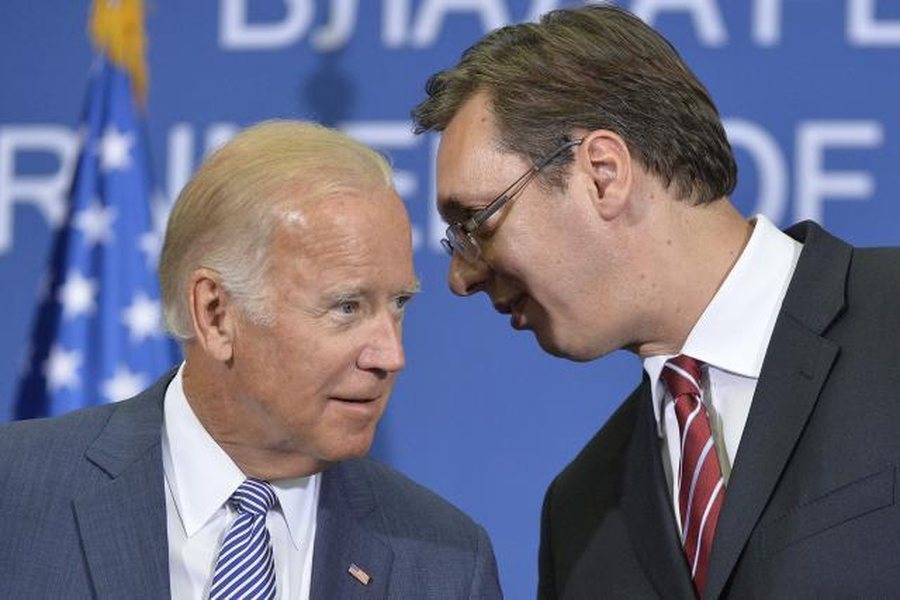
Serbian President Aleksandar Vucic's reaction represents his favorite tactic to escalate and then de-escalate and use Kosovo as a bargaining chip with the West...
Since Russian President Vladimir Putin is performing poorly in Ukraine, he will use any possible tactic to distract the West. This time, Russia, with the help of Serbia, is provoking chaos in the Balkans.
The goal is to push the Balkans to the brink and cause ethnic violence, because this allows the Kremlin to undermine NATO and restore Russia as the region's power broker.
So why are President Joe Biden and his team moving forward with this plan?
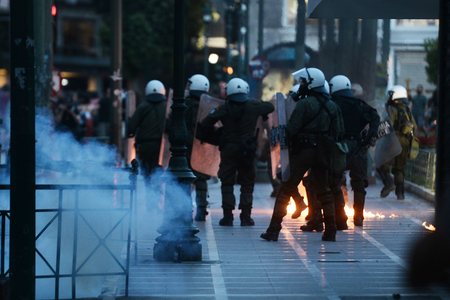
Air raid sirens went off in northern Kosovo on Tuesday as ethnic Serbs clashed with police after a suspected Serb protest leader was arrested.
Two weeks ago, after ethnic Albanian mayoral municipal elections, Serbian protesters did the same to NATO troops, injuring 30 members of the alliance's peacekeeping force, KFOR.
Of the 1.8 million inhabitants of Kosovo, 92% are Albanians and only 6% are Serbs. The small country has long been an ally of the US; it is where people name their children and boulevards after American leaders such as George W. Bush etc.
Kosovo loves America because Washington helped the area during Serbia's crackdown on ethnic Albanians and supported its independence in 2008. American love is clearly not unconditional.
Instead of condemning Serbia's unrest, the US ambassador to Kosovo accused that country's government of creating "this atmosphere of crisis in the north," and the US ambassador to Serbia praised it for being a constructive partner.
America then removed Kosovo from participating in its current NATO exercise, Defender Europe 23. This strange shift in American policy is rooted in risk aversion and fear of Russian escalation.
Meanwhile, the Serbian armed forces will participate in the multinational military exercise "Platinum Wolf" with NATO. The American Embassy of Serbia enthusiastically said that this shows that Serbia "has chosen the West".
This statement could not be more wrong, as Serbia's balancing strategy between Russia and Washington has allowed this exercise to be held seven times since 2014 already.
Serbian President Aleksandar Vucic's reaction represents his favorite tactic to escalate and then de-escalate and use Kosovo as a bargaining chip with the West.
The Kremlin is already encouraging Serbia to escalate further. Russian Foreign Minister Sergey Lavrov called the outbreak of violence "disturbing" and blamed the West:
"A great "explosion" is igniting in the center of Europe, in the very place where, in 1999, NATO committed aggression against Yugoslavia. ."
Ambasadori rus në Serbi, Aleksandr Botsan-Kharchenko tha se situata në Kosovë është një formë "lufte hibride" dhe pretendoi se kundërshtarët e Vuçiçit duan të bëjnë "një grusht shteti të stilit Maidan", duke iu referuar kryengritjes së Ukrainës 2013-14.
Rusia po ndërhyn gjithashtu në terren. Në shkurt, presidentja e Kosovës Vjosa Osmani paralajmëroi se anëtarët e grupit mercenar rus Wagner janë duke punuar me paraushtarakët serbë. Verbëria e Perëndimit ndaj lojërave të pushtetit të Vuçiçit dhe Putinit dhe fajësimi i tij ndaj Kosovës përfaqëson një strategji realpolitike.
Shtetet e Bashkuara besojnë se Serbia është më e rëndësishme strategjikisht se Kosova, pasi Uashingtoni e di se Vuçiç mund të bashkëpunojë lehtësisht me Moskën për të ndezur një konflikt të ri në rajon. Paqësimi amerikan ndaj Serbisë nuk do të funksionojë: marrëdhëniet Serbi-Rusi janë të gjalla dhe të mira.
Bashkëpunimi i Serbisë me Perëndimin në stërvitjet ushtarake dhe retorikën boshe është pjesë e strategjisë së saj balancuese midis Rusisë dhe Uashingtonit, jo një shenjë e besnikërisë së saj ndaj Perëndimit. Në vazhdën e luftës së Rusisë, Serbia kurrë nuk miratoi sanksione kundër Rusisë.
Muajin e kaluar, drejtori pro-rus i agjencisë së inteligjencës së Serbisë, Aleksandar Vulin udhëtoi në Moskë për një konferencë sigurie.
Serbia nuk është viktimë e ndikimit rus. Si pjesë e objektivit të tij më të gjerë për të qëndruar në pushtet, Vuçiç ka shfrytëzuar jostabilitetin në rajon për ta krijuar veten si një forcë për stabilitet.
Duke përshkallëzuar dhe më pas duke de-përshkallëzuar krizën dhe duke negociuar me Perëndimin sipas kushteve të tij, Vuçiç e ka pozicionuar veten si një marrëveshje-bërës i moderuar në rajon. Dhe ai ka shfrytëzuar situatën në përshkallëzim në Kosovë për t'i larguar votuesit e tij nga sfidat në rritje të brendshme.
Rusia ka dashur prej kohësh të tregojë se NATO është një tigër letre. KFOR-i duhet të dërgojë një sinjal të besueshëm se është i gatshëm të ndërhyjë kundër forcave serbe në rast të përshkallëzimit.
Last week, NATO deployed 700 troops to bolster security in the area. This is a step in the right direction. Instead of appeasing Serbia, America should pressure Belgrade to accept Kosovo's independence and impose sanctions on Russia.
With Russian military resources exhausted in Ukraine, the Kremlin cannot support Serbia. And a direct confrontation with NATO would not serve Vucic's interests. The West must recognize that weakness gives courage to Putin and Vucic.
Russia and Serbia will continue to re-ignite this frozen conflict when it suits their interests. Instead of allowing Moscow to undermine NATO, it is time for the West to prove that the Kremlin is nothing more than an empty shell./ Adapted "Pamphlet" from "New York Post"


Lini një Përgjigje