


 Shkruar nga Pamfleti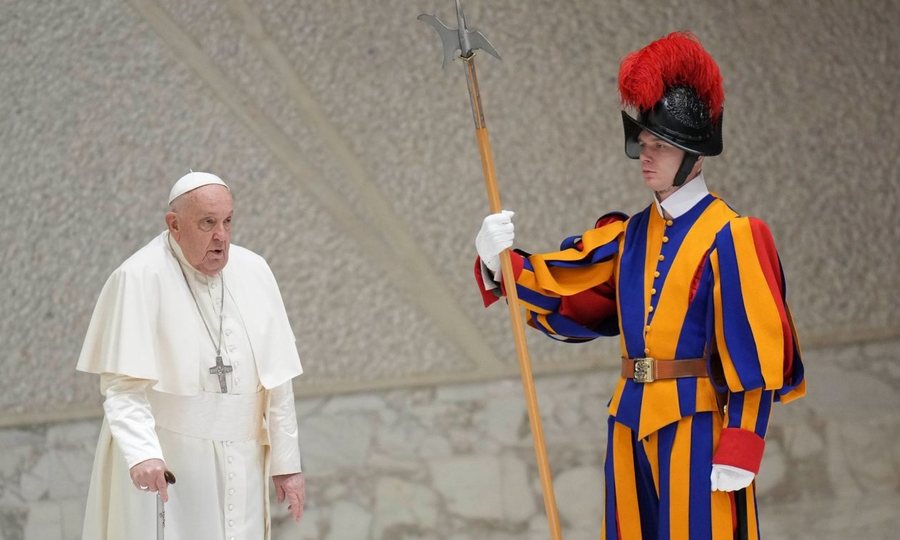
While media attention focused on his health, the Pope continued to lead. From the hospital, he signed one of the most important financial reforms of his term...
Rumors of Pope Francis' imminent death, resignation, or even a new conclave had begun to circulate in the Vatican. Reports suggested that Pope Francis' hospitalization meant that his leadership was nearing its end. Analysts speculated about a possible successor, while the media speculated on the scenarios for the next day in the Holy See.
As the Washington Post writes, there was an atmosphere of anticipation and unrest within the Catholic Church. Some believed that the 88-year-old Francis, who has been battling serious respiratory problems for years, would have no choice but to follow the example of his predecessor, Benedict XVI, and resign.
Benedict made his historic resignation announcement in February 2013 at a routine meeting to set canonization dates. When the Vatican announced that Francis had convened a similar meeting, many interpreted the move as an indication that he intended to do the same.
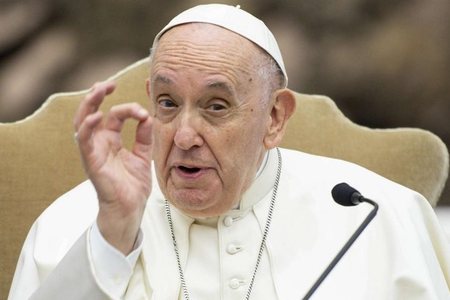
The Pope proved in practice that he had other plans. He did not resign. He did not give the signal for a new conclave. He did exactly the opposite: he took measures and announced a series of reforms, which prove that he is still the absolute leader of the Catholic Church.
While the media's attention focused on his health, the Pope continued to lead. From the hospital, he signed one of the most important financial reforms of his mandate: the creation of the Commission of Donations pro Sancta Sede, an initiative aimed at transparency and better management of the Holy See's finances.
The Associated Press reports that the decision came at a critical time for the Vatican, which is facing serious financial problems due to mismanagement, scandals and failed investments. One of the biggest blows to the Church's finances was the Peter's Pence affair, in which money from donations from believers, which was supposed to go to charity, ended up being used in high-risk investments, including the controversial purchase of a luxury property in London.
CruxNow confirms that the loss of around 200 million euros from these investments caused a massive backlash from believers, who reduced their donations, fearing that their money was not being used for the purposes promised by the Vatican.
Pope Francis, wanting to restore trust and regulate the Vatican's finances, appointed Monsignor Roberto Campisi to head the new commission, which aims to:
Transparency in the management of donations and ensuring that funds go where they are really needed.
Creating new fundraising strategies, attracting more donations from the diocese, charities, and business entities.
Control of the finances of the Holy See with stricter accountability mechanisms.
As CruxNow notes, this reform did not come about by chance. It is part of a broader strategy, which also includes:
Salary cuts for cardinals and senior officials.
Freezing new hiring at the Vatican to reduce operating costs.
Strengthening the presence of women in positions of power, such as giving more important responsibilities to nun Raffaella Petrini.
These moves show that Francis, despite his health problems, remains steadfast in his efforts to bring about changes that will shape the future of the Roman Catholic Church.
At the same time, the Pope's morale remains high, bolstered by international support. The Washington Post reports that St. Peter's Square is transformed every night into a place of prayer, where the faithful gather to pray for Francis's speedy recovery.
The same source reports a moving scene outside the Gemelli hospital, where musicians played Ave Maria under the Pope's window, in a show of hope and support.
As rumors of resignation or deteriorating health persisted, Francis gave a clear answer: he will not leave, he will not stop, he will not let the Vatican falter financially. His recent reforms show that he is not only remaining active, but also preparing the ground for a stronger and more transparent Vatican.
As CruxNow points out, these reforms may prove to be the most important part of Francis' papal legacy. / Adapt Pamphlet /



Lini një Përgjigje