


 Shkruar nga Pamfleti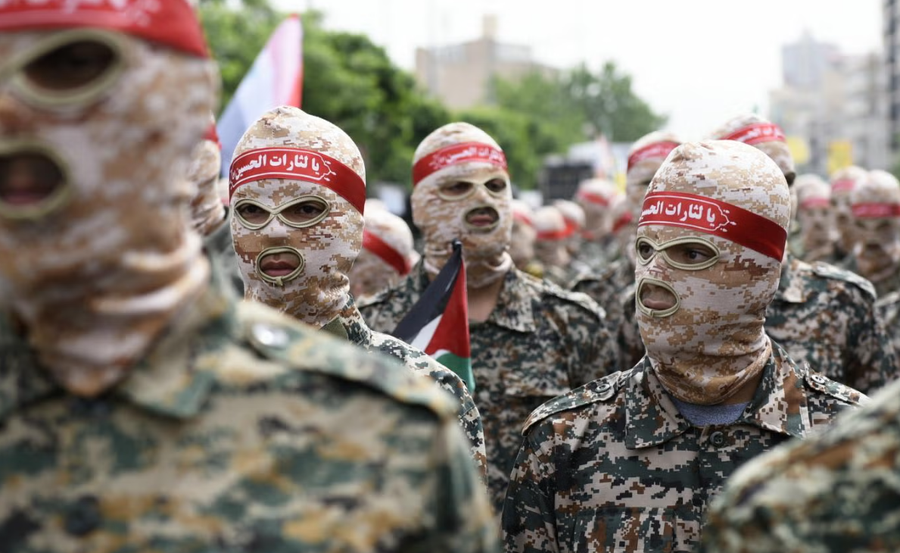
Tehran increases executions, arrests and military propaganda, while the regime appears to aim to intimidate domestic opposition...
Tehran is executing more political prisoners and showing its supporters how to use automatic rifles. Apparently, the regime fears a new uprising.
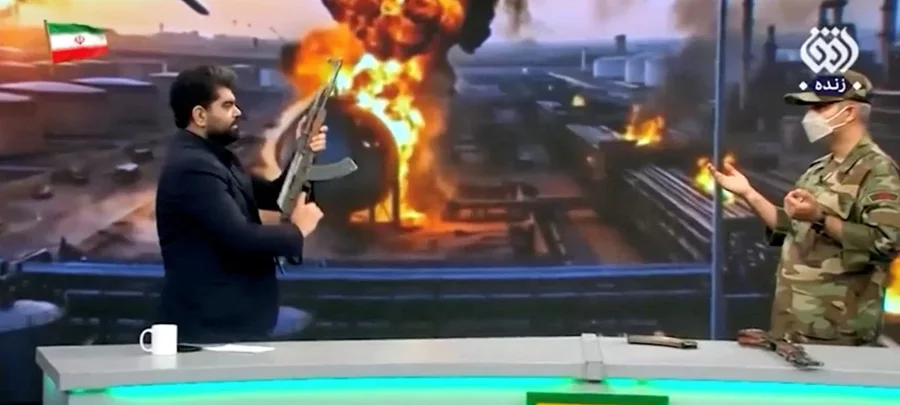
Iranian state television is now broadcasting instructions on how to use automatic rifles. In one program, a soldier explains to a moderator how to remove the safety and load an AK-47. The moderator then points the gun at a studio photo of the flag of the United Arab Emirates and fires. “Very good,” the soldier praises him.
In another show, a headscarf-clad moderator holds an automatic rifle in front of the camera and declares that she is ready to sacrifice her life. A kind of shooting range has also been set up in Vanak Square in Tehran, where regime supporters can learn from soldiers how to use the weapon. The question is: against whom?
An armed civilian population would be unable to do anything against possible air strikes by Israel or America. But it could be used against opponents of the regime, armed or unarmed. State media mentions “growing threats” and “the possibility of a new phase of conflict.” There is also talk of “hybrid warfare” on the part of the enemy. In this sense, the weapons training on television seems to aim not only at mobilizing regime supporters, but also at intimidating the population.
The regime seems to continue to fear that parts of the population might rise up in revolt. In recent days, Tehran has significantly increased pressure and threats against citizens. Executions are publicly announced and forced “confessions” are broadcast on television. The Iranian police chief, Ahmadreza Radan, boasts that more than 6,500 suspected “traitors and spies” have been arrested since the start of the war in late February.
The Mehr news agency reports that during the same period, 29 “organizers” suspected of spying for the US and Israel or having ties to armed opposition groups such as the People’s Mujahedin were executed. Another 36 “spies” were given long prison sentences. The properties of 400 people suspected of collaborating with the exiled opposition media outlets Iran International and Manoto were confiscated. The bank accounts of an unknown number of public figures critical of the government were also frozen. According to the report, these are considered “successes of justice.”
Regjimi duket se e konsideron sukses edhe shqiptimin e dënimit me vdekje në të paktën 30 raste që lidhen me protestat masive kundër regjimit në janar të këtij viti. Në të paktën nëntë raste, personat janë varur ndërkohë që Izraeli dhe SHBA-ja bombardonin Teheranin. Edhe sipas standardeve të sistemit iranian të ekzekutimeve, dënimet janë zbatuar jashtëzakonisht shpejt. Pas protestave “Grua, Jetë, Liri” në vitin 2022, shteti kishte pritur më shumë se një vit për ekzekutimet.
Edhe pas luftës dymbëdhjetëditore të qershorit të kaluar, Irani kishte rritur ndjeshëm numrin e ekzekutimeve. Sipas një raporti të fundit të Amnesty International, në gjysmën e dytë të vitit 2025 janë ekzekutuar më shumë se dy herë më shumë njerëz sesa në gjysmën e parë të vitit para luftës. Në total, sipas raportit, në Iran janë ekzekutuar të paktën 2159 persona gjatë vitit 2025. Organizata për të drejtat e njeriut shkruan se regjimi përdor dënimin me vdekje si “instrument të represionit politik dhe kontrollit”.
Avokatët e caktuar nga shteti përshpejtojnë dënimet me vdekje
Dënimi me vdekje është përdorur gjithnjë e më shumë edhe kundër personave të akuzuar për bashkëpunim me Izraelin. Kjo është lehtësuar nga një ligj i miratuar në tetor, i cili zgjeron përdorimin e dënimit me vdekje për shkelje të përcaktuara në mënyrë të paqartë kundër sigurisë kombëtare. Organizata “Iran Human Rights”, me seli në Oslo, raporton gjithashtu për praktika të avokatëve mbrojtës të caktuar nga shteti, të cilët përshpejtojnë ekzekutimet duke hequr dorë nga e drejta e apelimit.
Në shumë raste, “rrëfimet” në Iran merren nën torturë. Ndonjëherë ato transmetohen nga mediat shtetërore për të frikësuar publikun. Një “rrëfim” i tillë po qarkullon aktualisht nga Sadegh Saeedinia, djali i pronarit të njohur të një biznesi ëmbëlsirash dhe kafenesh në Qom. Ai akuzohet për propagandë kundër Republikës Islamike. Zinxhiri i kafeneve që ai drejtonte kishte njoftuar gjatë protestave të janarit se do të qëndronte i mbyllur, gjë që u interpretua si solidarizim me protestuesit. Gjithashtu, Saeedinia dyshohet se kishte bërë deklarata të ngjashme në një grup WhatsApp-i me punonjësit dhe në faqen Instagram të medias opozitare Iran International.
Kush përdor Starlink-un rrezikon arrestimin
Sa e përhapur është frika nga arrestimet e tregon edhe shembulli i një gruaje nga Teherani. Ajo tregon se djali i ndihmëses së saj shtëpiake është dënuar me gjashtë vjet burg. Ai kishte kritikuar inflacionin e lartë në Instagram dhe kishte komentuar “Rroftë Shahu” poshtë një postimi të Iran International. Gjatë gjyqit, atij iu paraqitën edhe fotografi që tregonin vetëm se kishte qenë në rrugë më 8 janar, ditën e parë të protestave të fundit masive.
The same woman from Tehran also says that the owner of a pet food store in her neighborhood was summoned by the police after he posted on Instagram that his store was open during the war. Due to the internet blockade, authorities suspected that he was using a banned Starlink connection. People who own such terminals also sell internet access to others through VPN programs. The woman herself had also secured internet access this way. But since the weekend, the connection no longer works and the person who had provided it to her is no longer responding. Now she fears that he too has been arrested. /Adapted from FAZ /




Lini një Përgjigje