


 Shkruar nga Pamfleti
Although the German leadership aims to rapidly reduce military and economic dependence on the US, it believes it will continue to depend on American power, including nuclear deterrence and information sharing, for years to come. For this reason, despite fundamental divisions, Merz has attempted to maintain good relations.
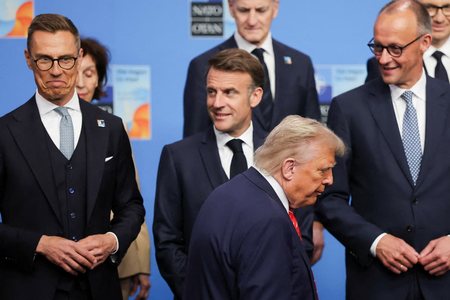
For months, relations between German Chancellor Friedrich Merz and Donald Trump have been walking on a tightrope, but now a crack appears to have appeared, according to a publication by the American magazine Politico.
Merz showed more flexibility than most European leaders to curry favor with Trump, as he considered it a strategic necessity to maintain close ties with an American leader who is known to hold grudges.
However, under increasing political pressure at home, the chancellor has also stepped up her criticism of Trump and the war in Iran, both of which are extremely unpopular with Germans. This week, the German chancellor seemed to lose her footing in this delicate balance and really irritated Trump.
Merz, during a school visit, said the US was “humiliated” by the Iranian regime. Trump responded by attacking the chancellor on Truth Social and threatening Berlin with the worst-case scenario: the withdrawal of US troops from Germany.
The Chancellor tried to downplay the clash and carry on as if nothing had happened. He insisted that all was well in relations between the two countries. According to the American magazine, Merz had most likely bet that the issue would “blow up” and that Trump would eventually back down, according to the “TACO” principle (Trump Always Chickens Out Trump always backs down) invented on Wall Street.
After all, Merz had seen Trump threaten to cancel the US trade deal with the UK over British Prime Minister Keir Starmer’s opposition to war with Iran and vow to impose an “embargo” on Spain over Prime Minister Pedro Sánchez’s strong criticism. In neither case did Trump follow through on the threats.
The US leader continued to be angry on Thursday. “The Chancellor of Germany should spend more time trying to end the war between Russia and Ukraine (where he has proven completely ineffective!) and rebuild his devastated country, especially on issues of migration and energy, and less time interfering with those trying to eliminate the Iranian nuclear threat, thus making the world, including Germany, a safer place!” Trump wrote on Truth Social shortly after Merz’s statements.
A significant reversal
Kjo përbën një përmbysje të rëndësishme në raport me klimën miqësore që ekzistonte mes dy liderëve. Trump më parë kishte vlerësuar qeverinë e Merz për politikat e saj në migracion dhe energji, gjatë një takimi në Zyrën Ovale me kancelarin gjerman. Madje, presidenti amerikan e kishte quajtur kancelarin “mik” që bën “punë vërtet të shkëlqyer”.
Strategjia e Merz ishte të shmangte përplasjen publike me Trump, pavarësisht mosmarrëveshjeve të mëdha në çështje si Ukraina dhe tregtia. Qëllimi ishte të ruante marrëdhënie miqësore dhe të siguronte ndikim të mjaftueshëm për ta afruar presidentin amerikan, në nivel privat, me pozicionet e Gjermanisë.
Kjo qasje është karakteristike e një strategjie më të gjerë gjermane për përballimin e administratës Trump dhe marrëdhënieve problematike transatlantike. Edhe pse lidershipi gjerman synon të reduktojë me shpejtësi varësinë ushtarake dhe ekonomike nga SHBA, ai beson se do të vazhdojë të varet nga fuqia amerikane, përfshirë parandalimin bërthamor dhe shkëmbimin e informacionit, për vitet në vijim. Për këtë arsye, pavarësisht përçarjeve thelbësore, Merz ka tentuar të ruajë marrëdhënie të mira.
Megjithatë, herë pas here, qoftë për shkak të zhgënjimit nga pasojat e veprimeve të Trump apo për koston politike të brendshme që sjell një sjellje e butë ndaj një presidenti thellësisht jopopullor, Merz shpërthen. “Duke nënkuptuar se administrata Trump ‘u poshtërua’ nga iranianët, kancelari mund ta ketë tepruar, duke rrezikuar një përplasje me një president të njohur për prirjen e tij hakmarrëse”, komenton Politico.
Edhe pse rreziqet janë potencialisht shumë të larta për Gjermaninë, liderët politikë mbeten relativisht optimistë, duke theksuar se SHBA kanë nevojë për praninë e tyre ushtarake në Gjermani për operacionet e tyre. Pavarësisht sulmeve të Trump ndaj Merz, shumëkush argumenton se bashkëpunimi ushtarak në terren mbetet i ngushtë dhe i integruar thellë, dhe se një tërheqje e shpejtë amerikane është jorealiste.
“Nuk është hera e parë që përballemi me kërcënime të tilla”, tha Christoph Schmidt, deputet i lartë për çështjet e mbrojtjes nga partnerët socialdemokratë të Merz në qeverinë e koalicionit. “Një tërheqje, në afat të shkurtër, thjesht nuk është e realizueshme. Dhe në afat të mesëm deri afatgjatë, do të dobësonte aftësitë operacionale të ushtrisë amerikane në nivel global”, deklaroi ai.
Gjatë mandatit të tij të parë, Trump njoftoi plane për të tërhequr 9.500 ushtarë amerikanë nga bazat në Gjermani. Megjithatë, ai nuk arriti t’i zbatonte këto plane dhe pasardhësi i tij, presidenti Joe Biden, i pezulloi ato.
Trump now has three years to implement any new plan for troop withdrawal. For Merz, the biggest risk could be losing Trump’s attention, especially over his support for Ukraine. Meanwhile, the German chancellor seems determined to win back Trump’s favor. As he declared earlier this week: “The personal relationship between the American president and me remains, in my opinion, as good as ever.” / Politico




Lini një Përgjigje