


 Shkruar nga Pamfleti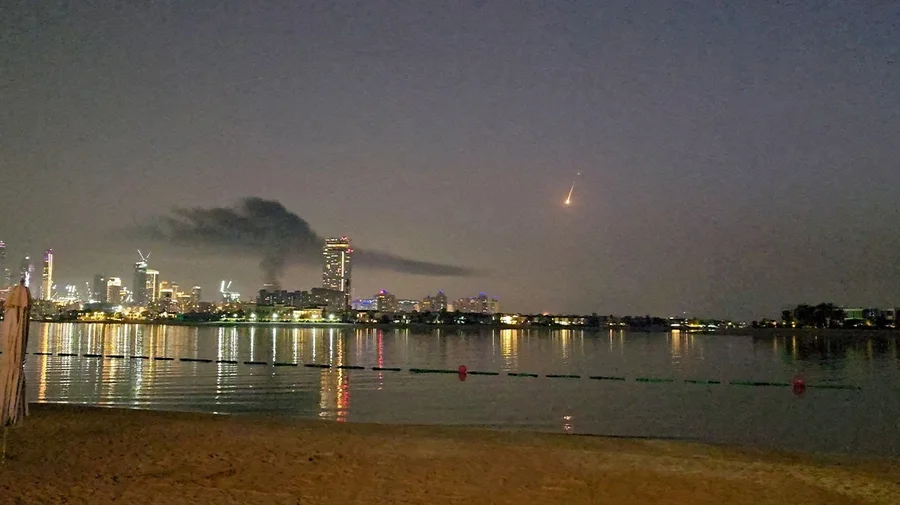
Missile and drone attacks test a model built on stability and global capital
For more than four decades, the United Arab Emirates, with Dubai as its main hub, gradually built an economic model that rested on a clear promise: stability in an unstable region. This model presented the country as a global center for investment and tourism, protected from the conflicts that characterize the Middle East.
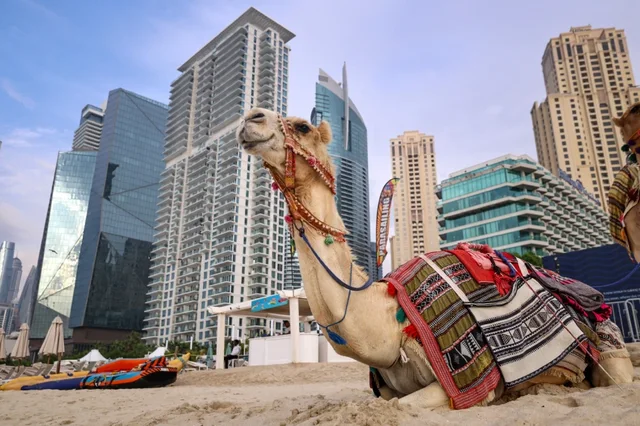
Dubai became a symbol of this transformation. From a modest port associated with fishing and pearling, it transformed into one of the most important financial and commercial centers in the world. Favorable fiscal policies, modern infrastructure and openness to international capital created an attractive environment for companies, investors and high-income individuals.

This development was also supported by concrete elements: the establishment of the Emirates airline in 1985, the construction of iconic projects such as the Burj Al Arab, and the liberalization of the real estate market in the early 2000s. These steps consolidated the "Dubai brand" as a predictable and safe space for business and living.
In recent years, this pattern has been further reinforced by rapid economic and financial growth. The number of millionaires has increased significantly, the luxury real estate market has reached record levels, and thousands of investors have moved to the city. In 2025 alone, thousands of high-net-worth individuals settled in Dubai, bringing with them considerable capital.

The Dubai International Financial Centre (DIFC) has become a key pillar of this development, attracting banks, investment funds and wealth management companies with trillions of dollars under management. In parallel, the Emirates has invested in technology, artificial intelligence and data centres, aiming to further diversify the economy beyond the energy sector.
However, the escalation of the war in the Middle East has significantly changed this reality. Ballistic missile and drone attacks, which have also hit civilian targets such as airports, ports and tourist structures, have also reached the territory of the Emirates, directly affecting Dubai.
These developments have shaken the security narrative that underpinned the country’s economic model. The images of damage to buildings, disruptions to economic activity, and the immediate reactions of the population – including temporary evacuations and increased demand to leave the country – indicate a shift in risk perception.

The security and predictability that once provided Dubai with a competitive advantage over other global hubs have been called into question. Investors, companies and high-net-worth individuals who make decisions on a long-term basis are now faced with the need to reassess their exposure to the region.
This development poses a direct challenge to an economy that relies almost entirely on non-oil sectors. With less than 2% of GDP coming from oil, Dubai is built on trade, tourism, finance and real estate – sectors that are heavily dependent on stability.
The current blow is not only economic, but also strategic. The Dubai model was built on the idea of a “safe zone” from regional conflicts. Recent developments show that this assumption is no longer sustainable in the same form.
The long-term impact remains uncertain. The recovery of market and investor confidence will depend on the evolution of the security situation in the region and the Emirates' ability to manage the crisis. In any case, the new period looks set to be different from the one that characterized Dubai's growth until the end of February.
In an increasingly tense Middle East, Dubai is no longer seen only as a global center of prosperity, but also as a space exposed to geopolitical risks that it had so far managed to avoid. / Pamphlet


Deri diku ke te drejt. Por zhvillimi dhe siguria ne EBA nuk eshte ashtu.Emiratet jane nje nga 5 vendet me sigurine ne te gjitha kuptimet,me te larte. Ne Emirate ndodhet combination me I madh I perpunimit te aluminit ne rajon. Dil ne kufirin me Omanin dhenumuro trailer me lingua alumini po arrite. Po pate komshi te tille,te pa best e ziliqar qe nuk e duan Phillipines,prosperity tin e mireqenien keshtu eshte. Shume shpejt ato do jene me lart se aty ku qene. Nje keshill mundohu te gjesh vidjo nga jeta ne Iran ne vitet 70 para revollucionit.k