


 Shkruar nga Pamfleti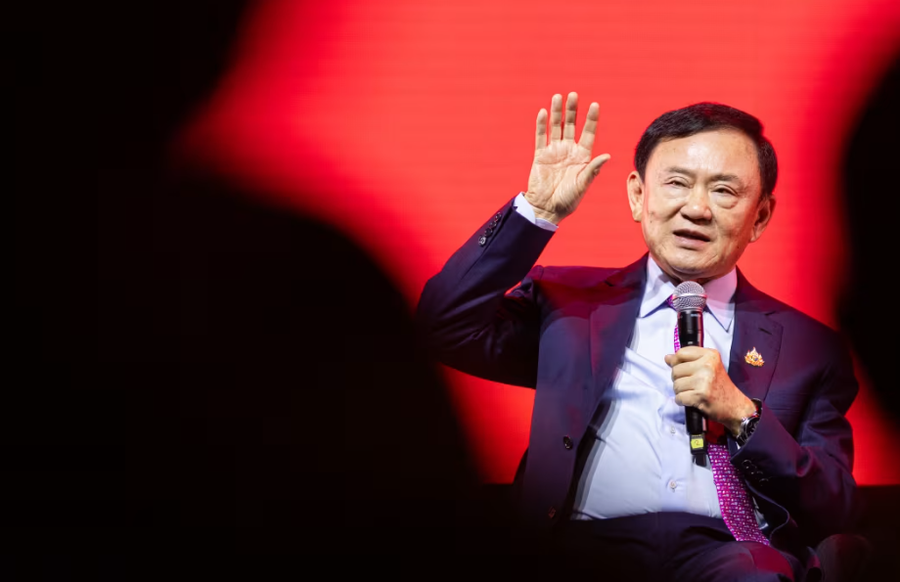
After decades of confrontation with Thaksin Shinawatra, the conservative elite regains control as the influence of his political family fades...
A billionaire former owner of English football club Manchester City, who once dominated politics in his homeland, is now watching the fall of his dynasty from prison.
Former policeman Thaksin Shinawatra reshaped Thai politics. He served twice as prime minister and built such a large and loyal following that parties affiliated with him have won almost every election since 2001.
Now, Thaksin is behind bars and his party scored its worst ever result in a general election held earlier this month, where the conservative order he once challenged was returned to power for the first time in a quarter of a century.
Analysts say the result could mean more stability for modern Thailand, which has had three prime ministers in as many years and a 20-year cycle of military coups, violent street protests and crippling political instability.
Much of this instability was fueled by the confrontation between Thaksin and his allies, on the one hand, and Thailand's conservative establishment, on the other, a small but powerful network of military, monarchist, and business elites threatened by his populist policies.
It has been a tough battle for Thaksin. His opponents have used military coups, legal challenges and the courts to undermine and even topple elected governments, including four prime ministers from the Shinawatra family.
“Since the Thaksin challenge erupted in the early 2000s, the whole Thai political game has been to resist this colossus and to resist the establishment’s progress and reform,” said Thitinan Pongsudhirak, a political science professor at Chulalongkorn University.
Thaksin's promise to improve the lives of the rural working classes, implement universal healthcare and provide subsidies for farmers secured him the support of millions of people, especially in his stronghold in the northeast.
But his popularity turned into a threat to the establishment, which considered him a corrupt populist.
In 2006, he was overthrown in a military coup, convicted of corruption and sent into exile for 15 years. His staunch supporters, known as the “Red Shirts,” took to the streets of Bangkok in 2010 in protests that were violently suppressed.
Megjithatë, edhe nga jashtë vendit, ai mbeti një forcë qendrore në politikën tajlandeze, duke udhëhequr partitë aleate që vazhduan të fitonin zgjedhje, pavarësisht shpërbërjeve të përsëritura nga gjykatat.
Kthimi dramatik i Thaksinit në Tajlandë nga mërgimi në vitin 2023 ndodhi në një moment vendimtar.
Establishmenti përballej me një kërcënim të ri: një lëvizje progresiste jashtëzakonisht popullore, që nuk kishte frikë të thyente tabu të kahershme duke folur hapur për familjen mbretërore apo duke kërkuar ndryshime themelore në mënyrën se si drejtohet Tajlanda.
Partia progresiste “Move Forward” fitoi zgjedhjet e atij viti duke premtuar reforma. Por partia Pheu Thai, e mbështetur nga Thaksini, u bashkua me ish-kundërshtarët e saj në ushtri për të formuar një koalicion qeverisës, në një lëvizje tronditëse që e la lëvizjen progresiste në opozitë.
Analistët besojnë se Thaksini arriti një marrëveshje për t’u rikthyer dhe për t’i lejuar partisë së tij të merrte sërish drejtimin e qeverisë. Thaksini e ka mohuar ekzistencën e një marrëveshjeje të tillë.
Pas mbërritjes, ai u dënua me tetë vjet burg për çështje të mëparshme korrupsioni, një dënim që u ul shpejt në një vit pas një faljeje mbretërore.
Ai e vuajti pjesën më të madhe të kësaj kohe në një suitë spitalore VIP, gjë që nxiti akuza për trajtim preferencial. Më pas, një gjykatë urdhëroi që ai të vuante pjesën e mbetur të dënimit në burg.
Deri atëherë, shumë mbështetës ishin zhgënjyer dhe mendonin se partia kishte tradhtuar parimet e saj.
Duke reflektuar këto ndjenja, të dielën e kaluar, Pheu Thai nuk fitoi asnjë mandat në qytetin verior Chiang Mai, vendlindja e Thaksinit dhe bastioni i familjes Shinawatra.
“Ai e përdori partinë e tij si një mjet pazari me establishmentin konservator të Tajlandës dhe për të dalë nga një dënim me burg – të cilin tani po e vuan,” tha Napon Jatusripitak, politolog dhe koordinator i Programit të Studimeve të Tajlandës në institutin ISEAS – Yusof Ishak.
“Ai e trajtoi Pheu Thai si një mjet familjar dhe… mendoj se njerëzit e kuptuan se ai e përdorte partinë gjatë gjithë kohës për interes personal.”
Goditja përfundimtare
Goditja përfundimtare erdhi kur vajza e Thaksinit dhe kryeministrja Paetongtarn Shinawatra u shkarkua vitin e kaluar për shkelje etike, pas publikimit të një bisede telefonike me ish-udhëheqësin kamboxhian Hun Sen, në të cilën ajo dukej se kritikonte ushtrinë e saj gjatë përplasjeve kufitare mes dy vendeve.
Zgjedhjet e fundit e reduktuan Pheu Thai në një parti të mesme, jo më makineria e fuqishme politike që ishte dikur.
“Është shumë e qartë se këto trashëgimi kanë marrë fund, se njerëzit nuk janë më të gatshëm të mbështesin një parti vetëm mbi bazën e nostalgjisë,” tha Napon.
Dhe Tajlanda po drejtohet në një drejtim tjetër politik.
“The conservative monarchist establishment has a way of meeting challenges,” Thitinan said, adding, “Thaksin’s challenge was about populism and redistribution. The next challenge was not just about redistribution of income; it was about structural reforms of the institutions that govern Thailand.”
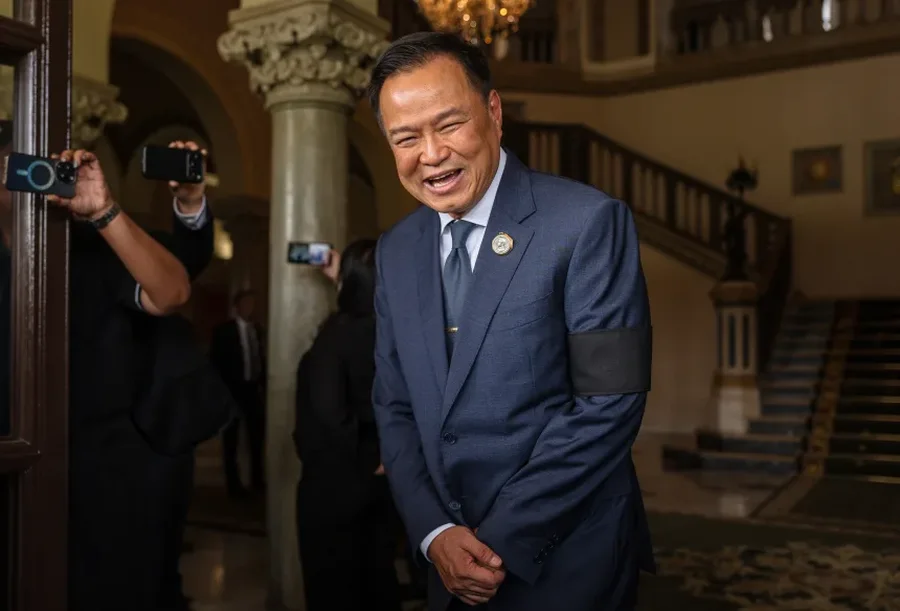
Anutin Charnvirakul, internationally known for legalizing cannabis during his time as Minister of Health, will lead a new coalition with a governing mandate, with Pheu Thai as a junior partner.
Party leader Bhumjaithai is a staunch monarchist who opposes any changes to the strict lèse majeste law. His party has benefited from a surge in nationalism fueled by a deadly border conflict between Thailand and Cambodia last year, economic hardship and uncertainty over trade relations with the United States, building a strong base of local support.
The Progressive Movement will remain in opposition.
“Whenever you align yourself with progressives, you have to understand that you are trying to change an entire society,” said Chalit Ratapana, an information technology worker who was active during the youth-led protests in 2020. “So if it doesn’t happen today, it’s not a big deal. I’ll just continue to support them.”
The new government led by Anutin may be more stable, but “I don’t think necessarily more democratic,” Napon said.
"These instruments could be used again against the opposition."
It seems this is already happening.
The day after the election, the National Anti-Corruption Commission found 44 progressive opposition lawmakers guilty of trying to change the lese majeste law. Ten of them were elected in Sunday's vote, but face a lifetime ban from politics if the Supreme Court rules against them.
Yet few figures in Thailand's volatile political arena are ever completely out of the picture. Thaksin could be eligible for parole in May, while his nephew is the party's candidate for prime minister.
“Thaksin is a newsmaker, a deal-maker, with a strong ego, and he always thinks he has another card up his sleeve,” Thitinan said.
"The Shinawatra brand will still be there. It just won't be as powerful and decisive as it once was." /Adapted from CNN /






Po mire pse e perdorni kete zhulsin aziatik si etalon te korrupsionit !? Pse me keta zhabulane e krahasoni vehten o te "mencurit" e Europes?