


 Shkruar nga Pamfleti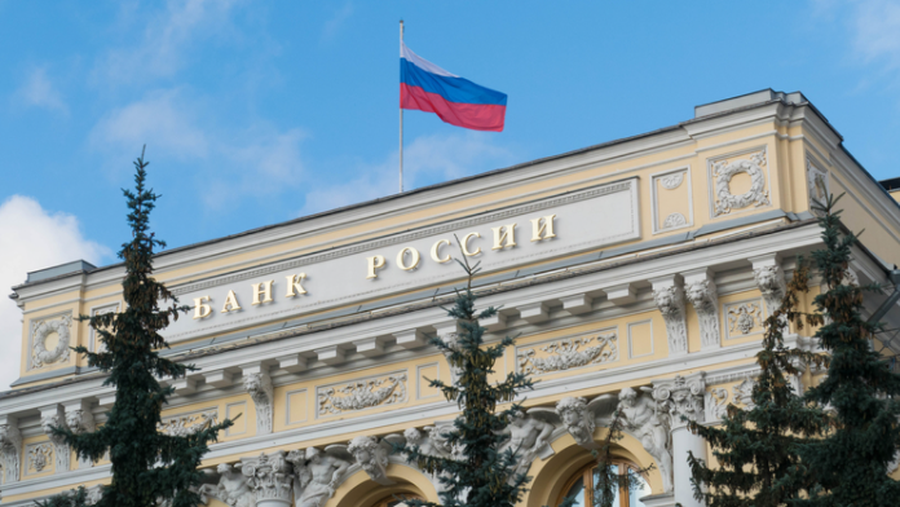
Tensions between Russia and the European Union have escalated after Russia's Central Bank announced it was seeking $230 billion in damages from Euroclear, the Brussels-based central securities depository where most of Russia's frozen assets are held.
According to Russian state media, the lawsuit filed last week seeks about 18 trillion rubles and comes at a key moment, as EU leaders are expected to decide this week whether to use about 210 billion euros in frozen Russian assets to give Ukraine a loan, aimed at financing its defense and keeping its economy afloat.
Of this amount, about 185 billion euros are held in Euroclear. European officials argue that the plan is legally sound, as Russia remains the formal owner of the assets, which were frozen after the invasion of Ukraine in 2022.
Moscow, on the other hand, calls this action “theft” and has warned that it will seize the assets of European private investors in Russia. The head of the Russian sovereign wealth fund, Kirill Dmitriev, has declared that Russia “will win in court” and that the EU, the euro and Euroclear “will suffer the consequences”, adding that the assets will be taken back.
Dmitriev has also called the plan an attack on property rights and the international financial system, in an apparent attempt to create division between Europe and the United States.
Euroclear declined to comment, having previously acknowledged that it faces more than 100 lawsuits in Russian courts. Analysts warn that Russia could try to enforce its court rulings in friendly countries such as China, the United Arab Emirates or Kazakhstan.
Meanwhile, the EU is considering safeguards to thwart Russian legal action and protect member states from any illegal expropriation. Under the scheme under discussion, the EU would offer Ukraine an initial loan of 90 billion euros, guaranteed by the proceeds of frozen Russian assets, while Moscow's claim to the funds would remain formally intact.
Kaja Kallas has called this the "most credible option", emphasizing that the funding will not come from European taxpayers' money and that it sends a clear message: the damages caused by the war must be paid for.



Lini një Përgjigje