


 Shkruar nga Pamfleti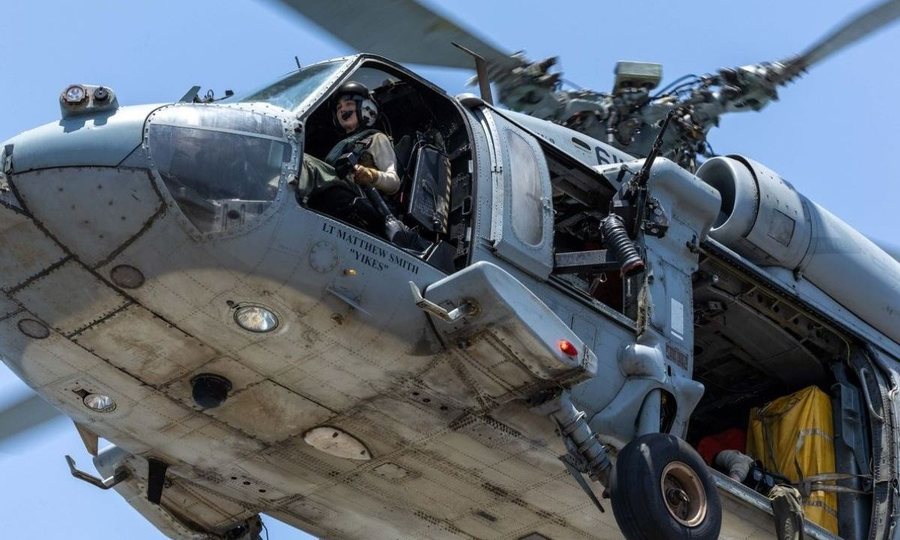
Military operation to restore maritime traffic faces Iran's reaction and skepticism from the global shipping industry
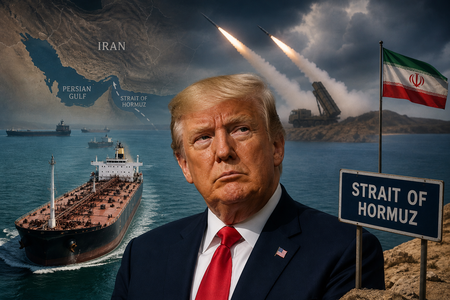
The second day of "Operation Freedom" undertaken by the United States in the Strait of Hormuz begins this Tuesday, while tensions with Iran remain high and the risk of a new escalation is considered real.
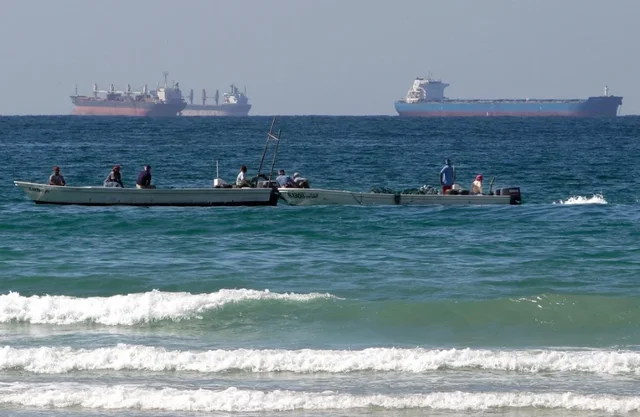
The operation aims to reopen one of the world's most important maritime corridors, through which a significant portion of global oil and gas supplies pass. Hundreds of commercial ships are currently stranded in the region as the security situation has prevented normal movement in this strategic area.
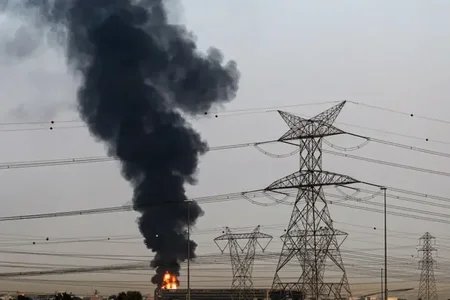
On Monday, US efforts to restore maritime traffic tested the existing ceasefire. In this context, Iran launched a missile attack on US warships, without any reports of casualties. After the US Central Command (CENTCOM) announced that US destroyers were operating in the Persian Gulf and that two merchant ships had successfully passed through the strait, Tehran responded with missile and drone attacks on the United Arab Emirates.
Although the US has launched an operation to ensure safe passage, so far only a very limited number of ships have agreed to pass. Shipping companies and financial markets remain cautious due to the lack of transparency over the details of the operation and the high security risk.
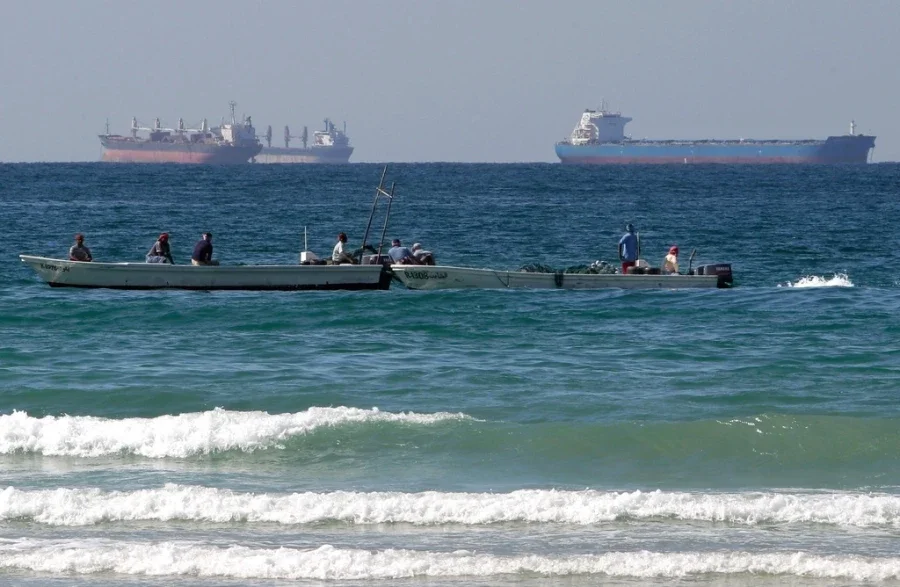
According to the International Maritime Organization, the situation on the ground is dire: up to 20,000 sailors on about 2,000 ships are stranded in the Persian Gulf. These include oil and gas tankers, various cargo ships and cruise ships. Some of them managed to move during a brief opening of the strait during the ceasefire, but many others are already facing serious shortages of basic supplies, such as food, drinking water and fuel.
Operationally, CENTCOM has deployed a significant force: guided-missile warships, more than 100 aircraft, and about 15,000 troops. Its commander, Admiral Brad Cooper, described the operation as a defensive mission of importance to regional security and global economic stability.
He stressed that the US strategy is not based on individual escorts of merchant ships, but on creating a multi-layered “security umbrella”. This includes a naval presence, air support with helicopters and fighter jets, advanced early warning systems and electronic warfare capabilities. According to him, this approach offers broader protection than a traditional escort.
Një nga shqetësimet kryesore mbetet prania e minave detare iraniane në zonë. Admirali Cooper konfirmoi se SHBA ka hapur një korridor të sigurt në ngushticë dhe ka vendosur mjete ajrore për të mbrojtur anijet që zgjedhin të kalojnë.
Megjithatë, ekspertë ushtarakë vënë në pikëpyetje kapacitetin real të operacionit. Jonathan Hackett, specialist i operacioneve speciale dhe ish-agjent i kundërzbulimit të marinsave amerikanë, deklaroi për Al Jazeera se marina amerikane nuk ka mjaftueshëm mjete për të mbrojtur një numër të madh anijesh. Ai theksoi se vetëm rreth 12 anije luftarake mund të ofrojnë mbrojtje efektive, ndërsa para krizës në ngushticë kalonin mbi 100 anije në ditë, çka e bën operacionin të vështirë për t’u shkallëzuar.
Në zhvillimet ushtarake, forcat amerikane raportojnë se kanë shkatërruar 6 mjete iraniane, pasi Irani ndërmori sulme të kombinuara me raketa lundruese, dronë dhe mjete të shpejta detare.
Remarks to media today from Adm. Brad Cooper, CENTCOM commander, on Project Freedom: pic.twitter.com/68hSeZfGXO
— U.S. Central Command (@CENTCOM) May 4, 2026
Nga ana diplomatike dhe operative, SHBA po përpiqet aktivisht të bindë kompanitë detare të rifillojnë lëvizjen. Sipas admiralit Cooper, janë kontaktuar dhjetëra anije dhe kompani transporti për t’i inkurajuar të kalojnë nëpër ngushticë. Ai theksoi se anijet përfaqësojnë 87 vende dhe janë subjekte neutrale në këtë situatë.
Në deklaratat e tij, Cooper theksoi se SHBA synon të mbështesë komunitetin ndërkombëtar për të rikthyer rrjedhën normale të tregtisë globale, ndërsa akuzoi Gardën Revolucionare iraniane për veprime kërcënuese ndaj transportit detar. Ai shtoi se, nga këndvështrimi ushtarak, SHBA ka epërsi të qartë në rajon.
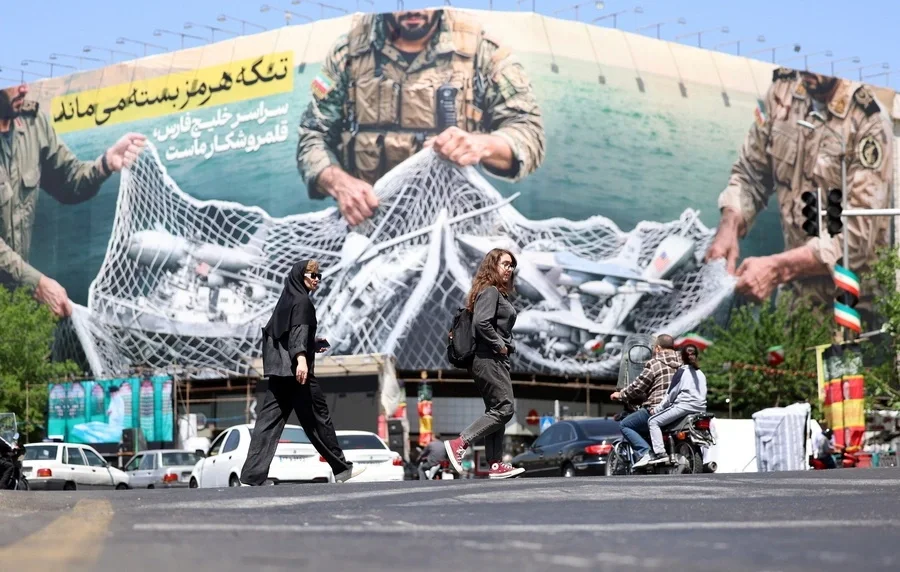
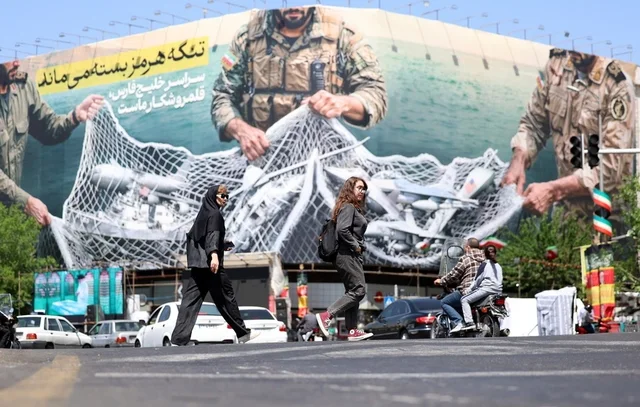
Nga ana tjetër, Irani ka mbajtur një qëndrim të ashpër. Autoritetet ushtarake iraniane deklaruan se çdo anije duhet të koordinohet me Teheranin për të kaluar në mënyrë të sigurt dhe paralajmëruan se çdo forcë e huaj ushtarake, veçanërisht ajo amerikane, do të konsiderohet objektiv nëse hyn ose afrohet në ngushticë.
Presidenti amerikan Donald Trump dhe drejtuesit ushtarakë kanë paralajmëruar Iranin të mos ndërmarrë veprime kundër anijeve amerikane, duke sinjalizuar rrezikun e përshkallëzimit të mëtejshëm.
Ndërkohë, industria globale e transportit detar mbetet e rezervuar. Jacob Larsen, drejtues i sigurisë në Këshillin Ndërkombëtar Detar (BIMCO), deklaroi se mungojnë udhëzime të qarta dhe informacion i detajuar për kompanitë. Ai theksoi se, pa një marrëveshje me Iranin, nuk është e qartë nëse kërcënimi ndaj anijeve mund të reduktohet në mënyrë efektive.
Remarks to media today from Adm. Brad Cooper, CENTCOM commander, on Project Freedom: pic.twitter.com/kIFFLf2vpd
— U.S. Central Command (@CENTCOM) May 4, 2026
Larsen gjithashtu ngriti dyshime për qëndrueshmërinë afatgjatë të operacionit dhe paralajmëroi për mundësinë e rifillimit të armiqësive. Edhe Kombet e Bashkuara konfirmuan se situata mbetet e paqartë dhe me mungesë transparence.
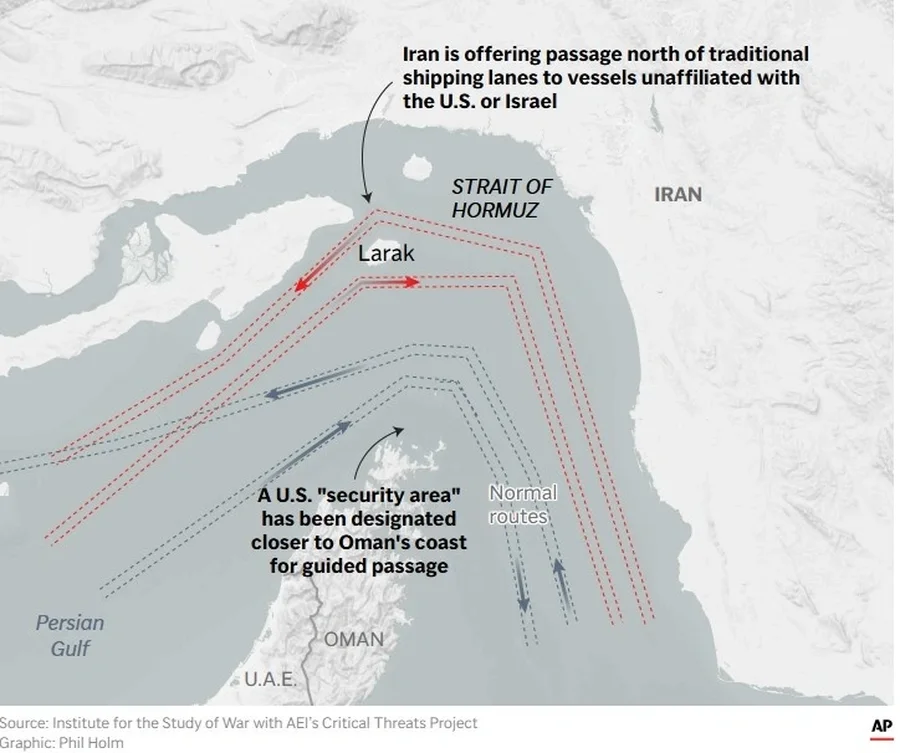
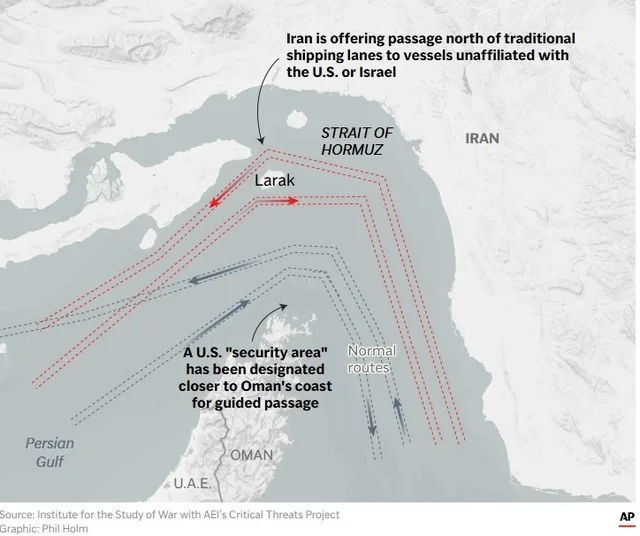
The Joint Maritime Information Center has advised ships to use the route through Omani waters, where a U.S.-enforced security zone has been established. However, it warned that passage through traditional areas remains “extremely dangerous” due to naval mines that have not been fully identified and deactivated.
The center urged sailors to coordinate closely with Omani authorities due to the expected influx of traffic. However, developments on the ground have not matched these expectations: only two ships managed to cross the strait on Monday, reflecting the high level of uncertainty that continues to characterize the situation. / Pamphlet /





Lini një Përgjigje