


 Shkruar nga Pamfleti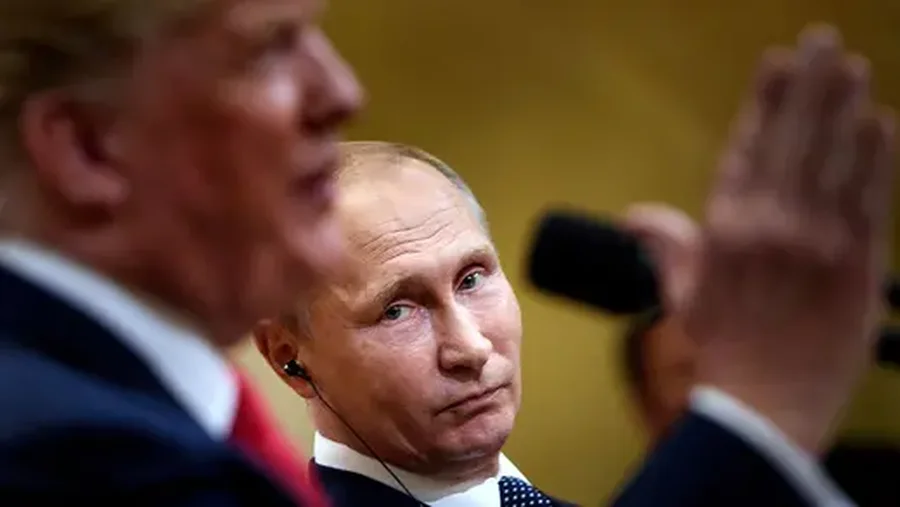
No wonder Spain didn't open up to Moscow after Trump's re-election. Putin has risked everything for the war in Ukraine
December 31, 1999: Russian President Boris Yeltsin made a surprise announcement, telling his countrymen that he would step down so his prime minister could take over as president.
"Why cling to power for another six months, when the country has a strong leader who can be its president, a man in whom almost all Russians are pinning their hopes for the future? Why should I stand in his way?” , Yeltsin said.
The strongman leader was a political unknown: a former KGB officer named Vladimir Putin. This New Year's Eve, when Putin addresses Russians, he will mark a quarter of a century as Russia's first man, both as president and during a four-year stint as powerful prime minister.
As 2024 draws to a close, Putin's grip on power seems more secure than ever. On the battlefield in Ukraine, Russian forces have made progress in a war of attrition, advancing into the Donbass region. Domestically, Russia's political landscape has been swept by competition following the death of the country's most prominent opposition leader, Alexey Navalny.
And a month after Navalny died in a remote prison north of the Arctic Circle, the Kremlin leader headed for re-election.
Putin may be projecting confidence, but new uncertainty is just around the corner. US President-elect Donald Trump campaigned on a promise to end Russia's war against Ukraine. And while his road map to a negotiated end to the conflict is far from clear, Trump has made one thing clear: He wants it to happen quickly.
"It's one of the things I want to do and quickly, and President Putin said he wants to meet with me as soon as possible," Trump said in a statement from Arizona.
"So we have to wait for this meeting. But we have to end that war," Trump added.
No wonder Spain didn't open up to Moscow after Trump's re-election. Putin has risked everything for the war in Ukraine: He put his country's economy on a war footing; forged closer alliances with North Korea and Iran to keep the war machine going; landed on the International Criminal Court's wanted list, all in pursuit of the maximalist goal of destroying Ukraine's viability as a state.
Sigurisht, Trump dhe Putin kanë një të përbashkët. Samiti i Helsinkit i vitit 2018 mes të dyve tregoi se Trump ishte i gatshëm të shkatërronte normat e vendosura prej kohësh në sjelljen e politikës së jashtme, ashtu siç është Putini, dhe admirimi i pretenduar i Trump për karakterin e njeriut të fortë të Putinit, i ka shqetësuar vëzhguesit amerikanë për tendencat autoritare në vend. Por, qasja më e fortë e Trump ndaj politikës së jashtme do të thotë që Kremlini mund të ketë nevojë të përgatitet për një negociatë.
I dërguari i posaçëm i ardhshëm i Trump për Rusinë dhe Ukrainën, gjenerallejtënant i ushtrisë në pension, Keith Kellogg, e ka krahasuar luftën me një "luftë në kafaz" midis dy vendeve që Trump mund të gjykojë.
"Ju keni dy luftëtarë dhe të dy duan të fitojnë, ju duhet një arbitër për t'i ndarë ata", tha ai në Fox Business.
"Unë mendoj se Presidenti Donald J. Trump mund ta bëjë këtë ... Unë mendoj se në fakt ai ka të dyja palët të gatshme të mblidhen dhe të bisedojnë", shtoi ai.
Se si do të funksionojë kjo analogji në praktikë është një pyetje e hapur. Presidenti ukrainas Volodymyr Zelensky javët e fundit ka ndryshuar retorikën e tij, duke pranuar se Ukraina nuk ka forcën për të rimarrë të gjithë territorin që ka humbur ndaj Rusisë. Dhe në sesionin e tij me pyetje-përgjigje të fundvitit, edhe Putini sinjalizoi një gatishmëri për negociata, duke thënë se: “Politika është arti i kompromisit. Ne kemi thënë gjithmonë se jemi të gatshëm edhe për negociata edhe për kompromise”.
Por, përtej paqartësive, Putini kundërshtoi një pyetje nga Keir Simmons i NBC-së, i cili pyeti nëse pengesat e politikës së jashtme si rënia e regjimit të presidentit sirian Bashar al-Assad, i cili kohët e fundit u strehua në Rusi, nënkuptonte se ai do të negocionte nga një pozicion dobësie.
Përgjigja e Putinit ishte: “Ne erdhëm në Siri 10 vjet më parë për të parandaluar krijimin e një enklavë terroriste atje, si ajo që pamë në disa vende të tjera, për shembull, në Afganistan. Në përgjithësi, ne e kemi arritur këtë qëllim".
Rusia ka ende ndikim në Lindjen e Mesme pavarësisht rënies së regjimit të Asadit.
Hanna Notte, drejtoreshë e programit të Euroazisë në Qendrën James Martin për Studime mbi Mospërhapjen, një organizatë jofitimprurëse e SHBA-së, tha se Rusia ende ka ndikim mbi Sirinë, duke përfshirë statusin e Moskës si një anëtare e përhershme e Këshillit të Sigurimit të Kombeve të Bashkuara.
“Roli i Rusisë në Këshillin e Sigurimit të OKB-së – ku mund të përdorë ose jo veton e saj – është i rëndësishëm për HTS (sundimtarët de facto të Sirisë Hayat Tahrir Al-Sham) kur bëhet fjalë për të gjitha llojet e proceseve që lidhen me legjitimimin e një të re. Qeveria siriane”, tha ajo.
"Any kind of process related to a political transition in a post-Assad era, if the United Nations is involved, I think you wouldn't want the Russians to be against that ," she concluded.
On the economy, Putin is staying on the positive side even as Russians protest high food prices and the falling ruble.
In a recent analysis, Alexandra Prokopenko, a fellow at the Carnegie Russia Eurasia Center, a Berlin-based think tank, pointed out that Russia's overstimulated wartime economy may be approaching a crisis point.
"Each month that passes intensifies the pressure ," she wrote.
"The Kremlin is approaching a tipping point when the social contract between the state and the people will inevitably change. Russians are increasingly being asked to accept growing inequality and a declining quality of life in exchange for short-term stability and symbolic pride in the idea of a 'fortress nation'. But even this compromise is becoming less and less stable", she said.
Putin came to power 25 years ago with a promise of strong rule after a decade of collective trauma during the Yeltsin era. He and his country must now face Trump in a new period full of trouble./ Adapted "Pamphlet", from "CNN"



Lini një Përgjigje