


 Shkruar nga Pamfleti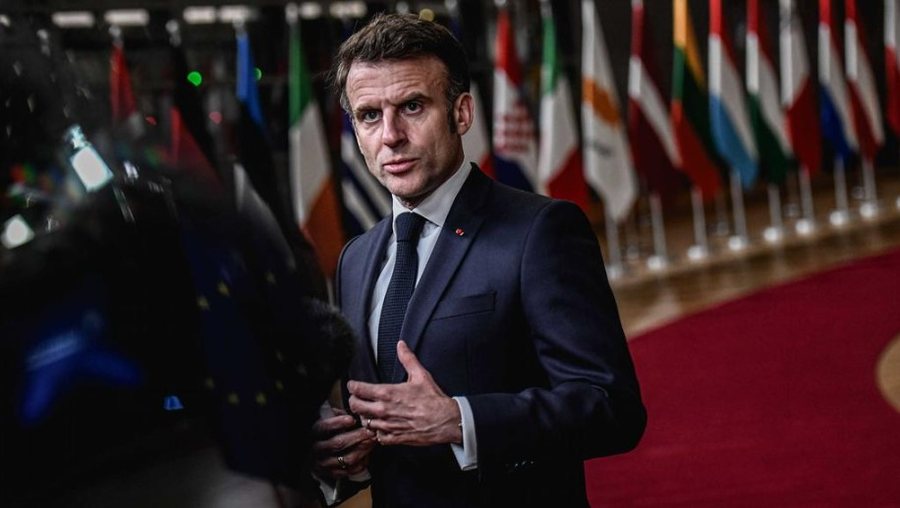
The fall of the French government is expected to cause a lot of instability for France, the European Union's second-largest economy after Germany. These countries are often called the "engine of European integration," so Brussels is following developments in Paris with interest.
Eric Maurice, a policy analyst at the European Policy Center, does not expect the impact to be as severe as during the euro crisis that began in 2008. However, instability in France could have economic consequences for the rest of the EU - for example, due to a lack of investment or reduced productivity.
Risk of political deadlock
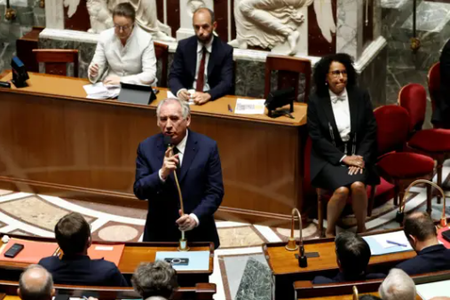
Now President Macron will be forced to find a successor again, who will have to work in the same fragile environment and face the same budgetary problems as François Bayrou, who lost a confidence vote in parliament, or his predecessors. France's National Assembly has 577 deputies. The far-right and far-left deputies, who before the confidence vote for Prime Minister Bayrou had said they would vote against his government, have over 320 seats in the National Assembly, while the centrists and conservative allies have 210 seats.
Political consequences for the EU
So if France faces political blockages, this would also have political consequences for the EU. For example, without a new government, it is possible that France will not be able to clearly position itself and take a stand within the EU on issues such as migration, agricultural, trade or industrial policy. Also, under a new government, France's role in the EU could change.
On the foreign policy front, nothing is expected to change, for example regarding Ukraine, as long as President Macron remains in office. However, political scientist Maurice says that it will be difficult for Macron to fulfill his plans. For example, the planned increase in the defense budget will be difficult if there is no budget or if its approval is delayed./ DW



Lini një Përgjigje