


 Shkruar nga Mani Basharzad
What exists is the tyranny of a violent and intolerant minority, armed, organized, and dangerous. Iran today resembles the last days of the Soviet Union, except without a Gorbachev.
The longest war of the 20th century was between Iran and Iraq and lasted 8 years.
However, over these 8 years, Iraq killed fewer Iranian civilians than the Islamic Republic reportedly killed in the last two weeks.
Regime security forces enter hospitals, not only to arrest protesters, but also to shoot them in the head. In the piles of bodies visible in the tragic videos circulating online, some corpses, with bullets in their heads, still have hospital monitors attached. This is a government at war with its own people. It is an occupying force that does not see Iranians as citizens, but as expendable sacrifices for the greater purpose of spreading the Islamic revolution around the world.
What legitimate government would ask some families for $5,000 to $7,000 (£4,000) just to return the bodies of relatives it has killed? One of the most brutal forms of torture by the Islamic regime is forcing families searching for their daughter, brother, sister or mother to visit warehouses filled with bodies, where they must rummage through corpses to find their loved one. Under the Islamic Republic, an Iranian does not even have the right to receive the body of a family member killed by the state.
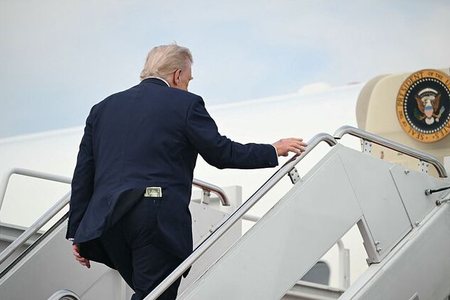
It is therefore no wonder that Iranians inside Iran are looking to Donald Trump for help. The fact is that many Iranians trust American or Israeli bombs more than the weapons of the Islamic Republic. Western attacks, such as those carried out by Israel on Iran, target not only buildings but sometimes even the bedrooms where IRGC commanders sleep. During the 12-day war, according to the Islamic Republic’s own judiciary, fewer than a thousand people were killed, more than 70 percent of whom were military officials, members of the IRGC or Basij.
Where in the Middle East, besides Iran, do protesters chant, "America is not the enemy, the enemy is within"? In which Middle Eastern country do protesters rename streets after the president of the United States? In which country do people chant, "No to Gaza, no to Lebanon, I will give my life for Iran"? Nowhere.
Askund tjetër në Lindjen e Mesme miliona njerëz nuk dalin në rrugë kundër Islamit politik; zakonisht, është pikërisht e kundërta. Ky është ndryshimi themelor që përfaqëson Irani dhe moskuptimi i tij do të ishte një gabim katastrofik i politikës së jashtme. Irani nuk është Iraku. Irani nuk është Libia. Irani ka një popullsi që është simpatike ndaj vlerave perëndimore të qeverisura nga një regjim që nuk përfaqëson se kush janë njerëzit.
Ajo që ekziston është tirania e një pakice të dhunshme dhe intolerante, të armatosur, të organizuar dhe të rrezikshme. Irani sot i ngjan ditëve të fundit të Bashkimit Sovjetik, përveçse pa një Gorbaçov. Edhe Mohammad Khatami, figura "e moderuar" e regjimit, i ka hedhur poshtë protestat si një "komplot të planifikuar". Fjalët e tij vërtetojnë se asnjë reformator i vërtetë nuk do të dalë nga brenda Republikës Islamike. Kjo është ajo që e bën regjimin në mënyrë unike të rrezikshme.
Kjo është arsyeja pse, nëse Shtetet e Bashkuara nuk veprojnë, do të pendohen që e kanë humbur këtë mundësi për të hequr kokën e gjarprit në Lindjen e Mesme. Në çdo rast ku ndërhyrja e huaj dështoi, nuk u hasën kurrë tre elementët që ekzistojnë njëkohësisht në Iran.
I pari është një popullsi pro-perëndimore. I dyti është një alternativë e qartë dhe e njohur. Në të gjithë Iranin, ka vetëm një emër që po brohoritet si udhëheqës: Princi i Kurorës Reza Pahlavi. Ai ka artikuluar një plan dhe është bërë një figurë unifikuese për opozitën iraniane. Kjo do të thotë se ekziston një zëvendësim i qartë për tiraninë e mullahëve.
Tony Blair ka thënë se gabimi i tij më i madh në Irak ishte nënvlerësimi i fuqisë së Islamit politik pas rënies së Sadam Huseinit. Irani paraqet rastin e kundërt. Pa Republikën Islamike, Islami politik mund të shembet plotësisht. Nuk ka grupe të rëndësishme opozitare politike islamike që presin në krahë, as nuk ka ndonjë dëshirë midis popullit iranian për t'u kthyer në një qeveri islamike.
Si pjesë e retorikës së tij anti-establishmentit të vjetër neokonservator, Trump ka theksuar vazhdimisht një strategji "pa çizme në terren". Në rastin e Iranit, kjo qasje mund të rezultojë megjithatë në ndryshimin e regjimit për shkak të strukturës unike të IRGC-së. IRGC nuk është një ushtri moderne kombëtare, por një organizatë terroriste tërësisht e varur nga një individ: Ali Khamenei. Largojeni atë dhe struktura shembet. Pas vrasjes së Qassem Soleimani nga Trump gjatë mandatit të tij të parë, dhe eliminimit të fundit nga Izraeli të udhëheqësve të lartë të IRGC-së dhe ushtarakëve, nuk ka asnjë figurë të mbetur të aftë për të bashkuar forcat ose për të nisur një grusht shteti. Sulmet e synuara, kundër udhëheqjes së lartë ose bazave strategjike, duke përfshirë ato që kanë mbyllur internetin e Iranit për më shumë se një javë, mund të jenë shumë efektive.
The real tragedy would be Western inaction. Iranians who still trust the West would see indecision as effectively supporting a regime whose stated goal is the destruction of Israel and the United States. This would repeat Barack Obama’s historic mistake after the Iranian Green Movement of 2009: failing to set red lines, only to find the regime not moderated by diplomacy but emboldened and more aggressive.
This is a historic opportunity. Millions have risen up in Iran. Tens of thousands have given their lives. If the West does not act now, it will signal to China, Russia, and every authoritarian regime in the world that, as Dostoevsky warned in “Notes from Underground,” “everything is permitted.”
/Adapted from The Spectator/



Lini një Përgjigje