


 Shkruar nga Pamfleti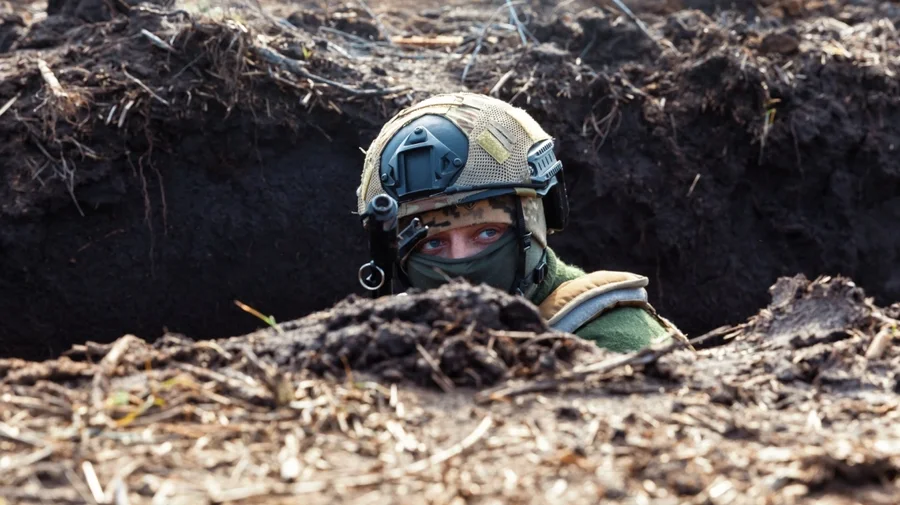
More worrying, in the same way, is the phenomenon described as the "black box": the invisible danger that is ignored until it is too late. At the level of war, this translates into new forms of biological and chemical weapons.
From the Baltics and the Middle East to South America and Taiwan, five geopolitical hotspots look particularly vulnerable to dangerous escalation in the coming period. An analysis by The Independent highlights that an accidental or premeditated incident in any of these areas could lead to regional conflict or even a wider international confrontation, while new, less obvious risks are added, such as cyberattacks and advanced forms of biological and chemical weapons.
The analysis makes it clear that a war in Europe or elsewhere "on the scale" described by NATO Secretary General Mark Rutte, i.e. "like our fathers and grandfathers", is not on the horizon.
Whatever happens, it is argued, will not resemble the great wars of the 20th century. However, this does not mean that there will be a reduction in tensions: the intensity of violence in Ukraine, Sudan, the Rwanda-Congo area and Yemen is not expected to decrease.
At the same time, the Thailand-Cambodia standoff remains tense, while in Myanmar cycles of civil violence and massacres appear to be intensifying as the military junta heads towards elections in the spring.
In this environment, a random spark on some of these fronts could trigger a broader escalation.
Baltic countries: the most sensitive point for escalation with Russia
The analysis assumes that Vladimir Putin will continue to seek "absolute victory" in Ukraine and that he could provoke European NATO and EU allies at "critical pressure points," particularly in the Baltics, the North Atlantic, and through the Balkans.
Among the scenarios mentioned are "false flag" incidents around Kaliningrad, in the corridor between Poland and Lithuania: that is, a border incident presented as an "aggressive act" by a NATO ally. There is also talk of "subversive" actions near the borders with Norway and Estonia.
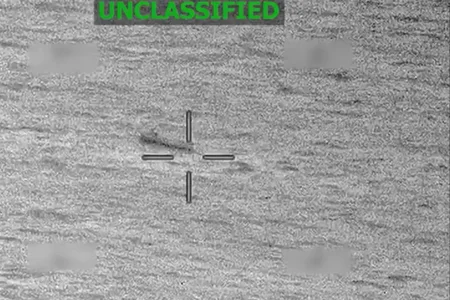
At sea, an increase in "disturbing" patrols by Russian submarines is expected, which will test NATO's new concept of security and early warning in the Atlantic.
Alongside them, it is estimated that there will be increased activity from ships and submarines of the Russian surveillance/sabotage service (GUGI), with particular reference to the "mother" ship Yantar.
Analiza shton edhe një faktor politik: me Amerikën e Donald Trump që duket më "e butë" ndaj Moskës dhe në të njëjtën kohë duke u përplasur me aleatët evropianë, Kremlini mund të tundohet të veprojë përpara se krahu evropian i NATO-s të ketë kohë të "zbatojë" planet e tij të riarmatimit.
Një përçarje serioze SHBA-Danimarkë përmendet madje si një "dritare mundësie" e mundshme, me rastin e Grenlandës.
Amerika e Jugut: rreziku i Venezuelës dhe naftës
Zona e dytë me rrezik të lartë për SHBA-në është vetë kontinenti amerikan. Në kontekstin e një strategjie të re për “rifitimin e hegjemonisë”, i referohet rivendosjes së doktrinës që filloi me Presidentin Monroe (1823).
Pika qendrore është Venezuela dhe perspektiva e përfshirjes amerikane. Analiza paralajmëron se një ndërhyrje mund të përsërisë gabime të ngjashme me pushtimin e Irakut në vitin 2003: nga momenti që “thyen” diçka, atëherë e “merr atë nën kontroll”, me nevojën për të rindërtuar mekanizmat e sigurisë dhe administratën publike, përndryshe mundësia e një konflikti civil shumëvjeçar rritet.
Një veprim i tillë, vihet re, do të përshpejtonte paqëndrueshmërinë në rajon nga Ekuadori në Kolumbi dhe Gujanë. “Poshtë” retorikës, faktori kritik përshkruhet si nafta dhe ambicia e SHBA-së për të dominuar si një fuqi globale e naftës, diçka që pritet të bezdisë lojtarët kryesorë të OPEC-ut, si dhe Kinën, e cila ka interesa në Amerikën e Jugut.
Lindja e Mesme – Sudani – Briri i Afrikës: Një “fitil” që vazhdon të digjet
Zona e tretë e rrezikut është një zonë e gjerë nga Kurdistani në Gadishullin Arabik, dhe prej andej në Sudan dhe Somali. Gaza mbetet një pikë e nxehtë, ashtu si Jemeni dhe Sudani.
Përmenden në mënyrë të veçantë "të përfaqësuarit" e dy vendeve të fuqishme të Gjirit, Arabisë Saudite dhe Emirateve të Bashkuara Arabe, të cilatm, siç raportohet janë në konflikt të hapur në Jemenin e Jugut dhe Sudan.
Në të njëjtën kohë, Irani përshkruhet si një regjim i paqëndrueshëm që mund të zgjedhë momentin e tij për të sulmuar, qoftë drejtpërdrejt kundër Izraelit ose përmes një rrjeti aleatësh/grupesh të armatosura në Siri, Darfur dhe më gjerë.
Lidhur me Sudanin, theksohet se nuk ka ndjenjë sigurie, por ka një "sasi të madhe armësh". Dhe në rajonin kufitar Ruanda-RDK, beteja për mineralet (elemente të rralla të tokës dhe kadmium, siç raportohet) po fiton peshë strategjike, me konkurrencë midis rrjeteve të lidhura me Kinën, degëve ruse të lidhura me ish-Wagner dhe grupeve të krimit të organizuar.
India - Pakistani: Kashmiri, Afganistani dhe një fërkim më i gjerë me Kinën
Në Azinë Jugore dhe Juglindore, analiza vëren se përballja Indi-Pakistan mbetet aktive për shkak të Kashmirit dhe Afganistanit, ndërsa India gjithashtu ka një front të hapur me Kinën në kufirin e saj malor.
Tailanda dhe Kamboxhia nuk konsiderohen të jenë në "paqe të plotë", megjithëse vlerësohet se kriza atje nuk ka gjasa të përhapet.
Tajvani: Skenari që mund të shndërrohet në një problem global
The fifth and perhaps most critical threat is considered to be China. Xi Jinping's leadership is described as a "meter" of strategic ambiguity, and by 2026, according to the analysis, the US president could be too preoccupied with Venezuela, Ukraine, Gaza and domestic affairs to react in time if Beijing were to attempt decisive action against Taiwan, overtly or covertly.
A failed venture in Taiwan is estimated to provoke a strong reaction from the major players in the region - India, Japan, Australia and the US and in the "worst case scenario" would pave the way for a truly global confrontation.
"Invisible" Attacks: Cyberspace, Disinformation, and the New Threat
The analysis highlights that the risks are not just geographic or “traditional.” There are also less obvious means of attack: cyberattacks, information operations, and influence.
An example is the cost of a cyberattack on Jaguar Land Rover, attributed to a Russian "representative": £1.5 billion in damage to the company and £5 billion to the national economy.
More worrying, in the same way, is the phenomenon described as the "black hole": the invisible danger that is ignored until it is too late.
At the level of warfare, this translates into new forms of biological and chemical weapons, more deadly and harder to detect than we have seen in the past, where substances such as ricin, sarin, polonium and novichok were used as terrorist tools.
In the hands of non-state actors, fanatics or cult members, the threat is described as potentially the greatest of all.
In short, the picture being painted is not a "prophecy" of what will happen, but a list of places where the world seems most 'combustible'.
And in such a landscape, even a small mistake, a misunderstanding, or a planned provocation can be enough to change societies.


Lini një Përgjigje