


 Shkruar nga Pamfleti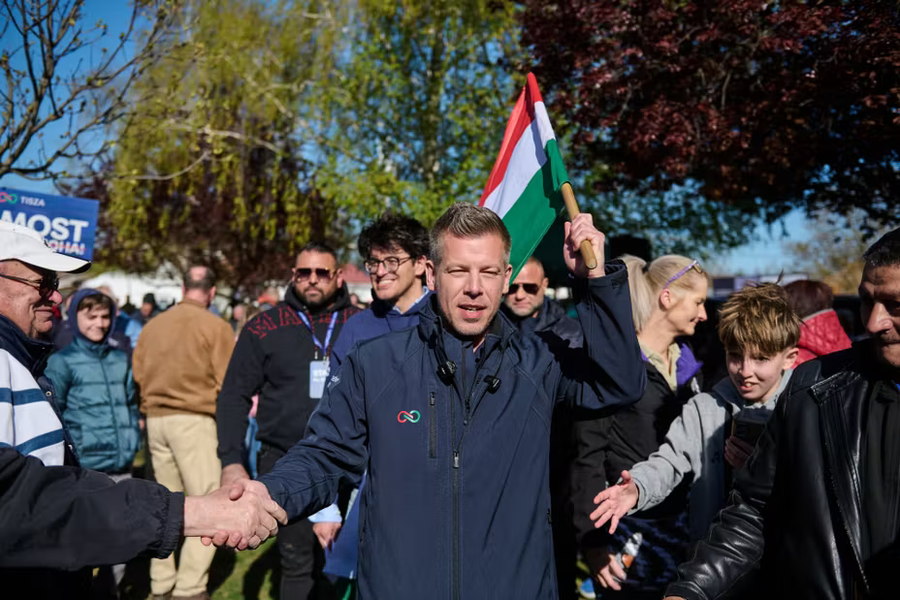
A former member of the Fidesz elite, he left power in 2024 denouncing corruption and today leads the opposition with the promise of rapprochement with the EU.
For many years, part of the Fidesz nomenclature, Peter Magyar, a 45-year-old former senior official, left power in 2024 denouncing corruption in the prime minister's circle. He has selected candidates for the parliamentary elections that are owed to him and promises to calm relations with the European Union.
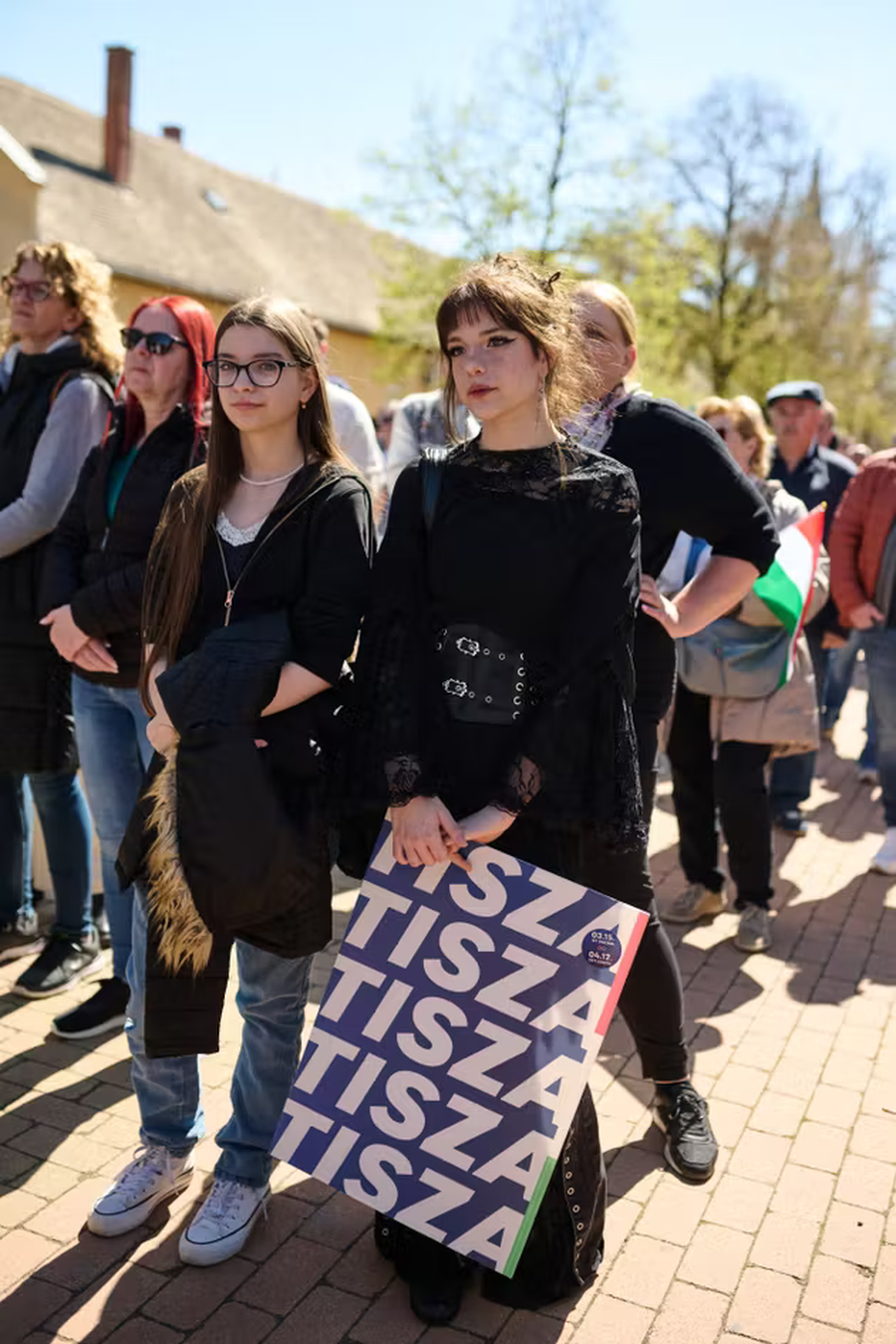
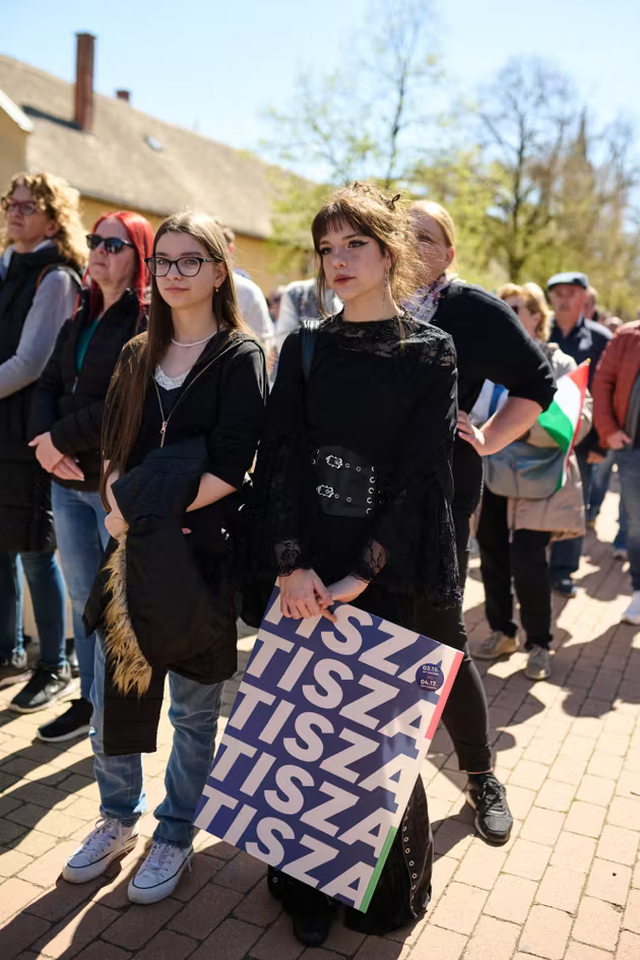
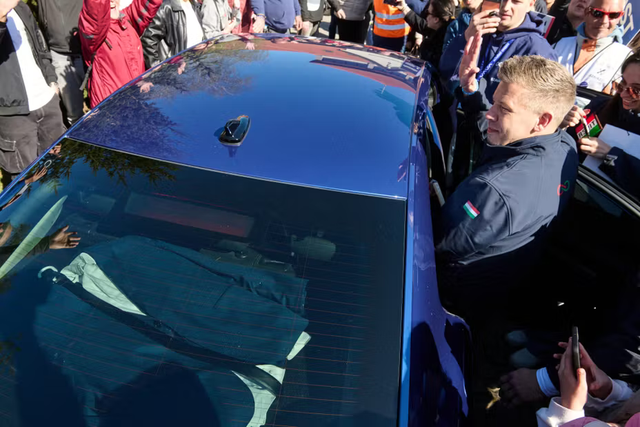
It is 9 a.m. on Wednesday, April 8, in Kiskunlachaza, a town of about 10,000 people an hour from Budapest. Hundreds of supporters have gathered to support the opposition leader in parliamentary elections on Sunday, April 12. In an intense campaign to defeat nationalist Prime Minister Viktor Orban, the leader of the conservative, pro-European Tisza party is holding up to seven meetings a day in rural Hungary.
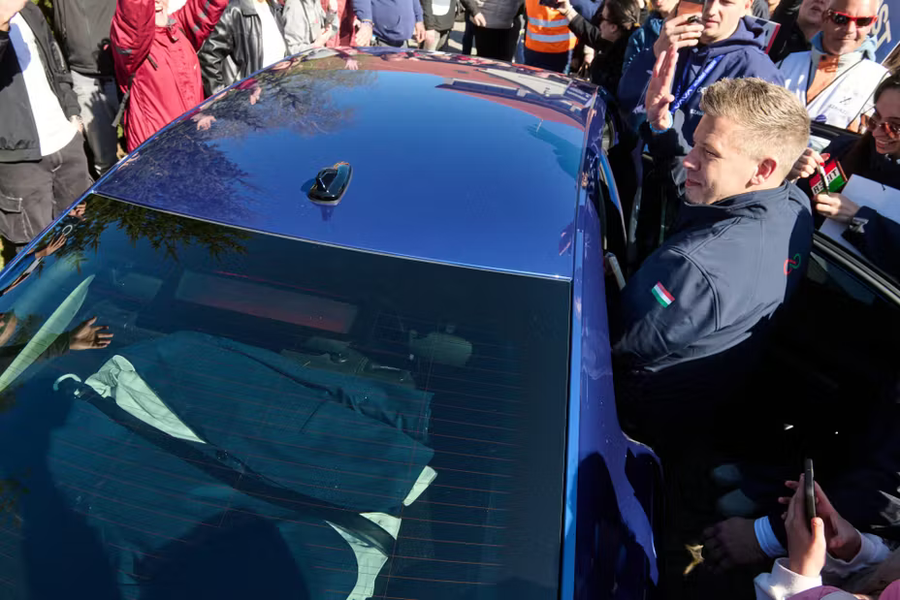
Noting that there are only a few hours left until the vote, Magyar expressed satisfaction with the polls that give him a big advantage, but called on supporters to redouble their efforts, not only to defeat Orban, but also to secure a two-thirds majority in Parliament. This would allow him to change the Constitution and fulfill his promise to restore the rule of law, damaged over the past 16 years.
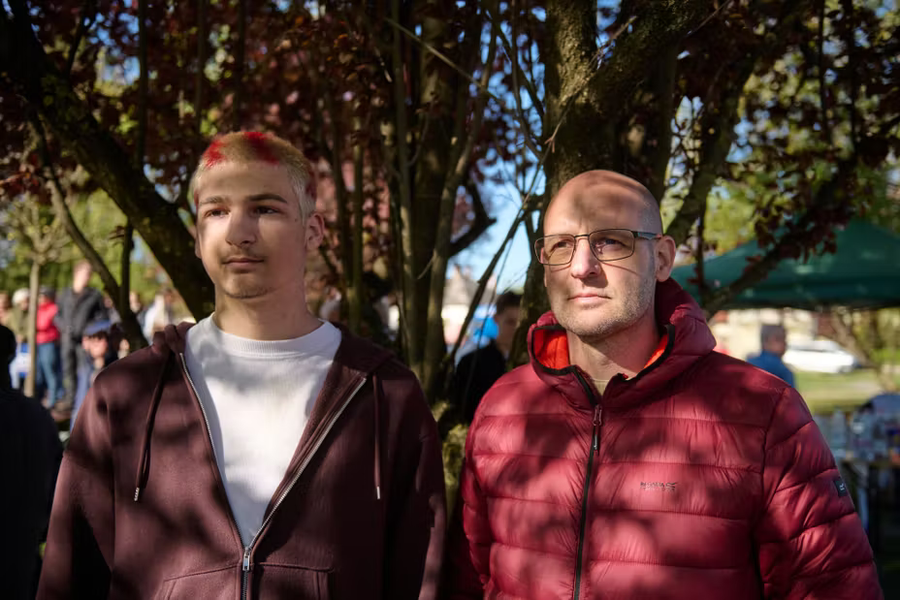
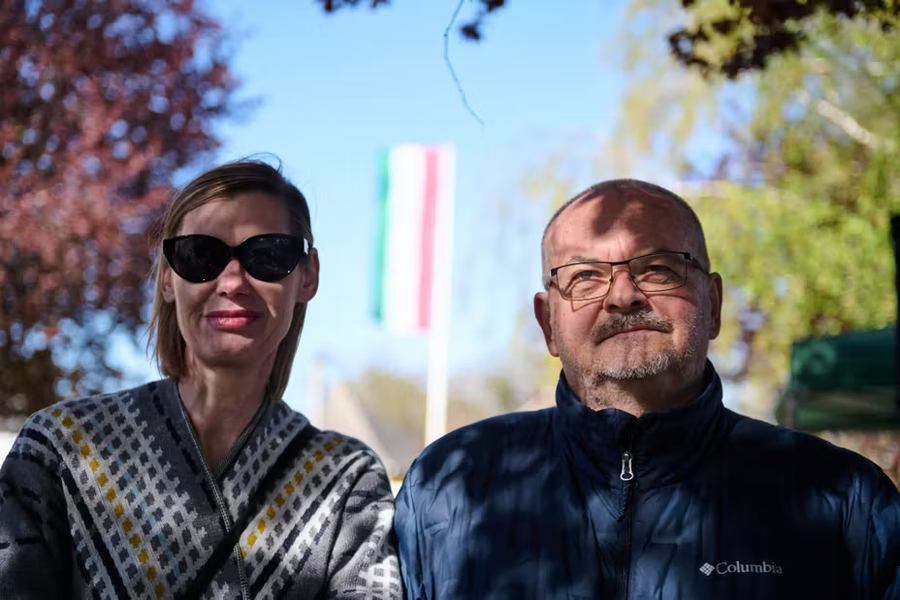
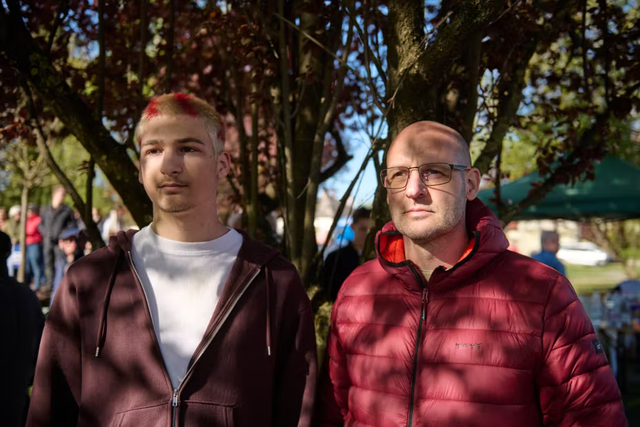
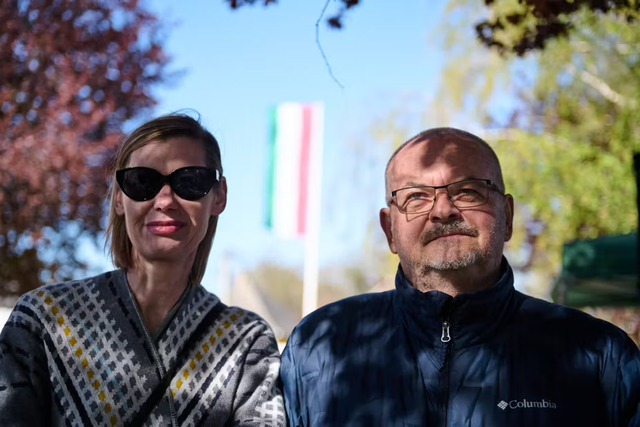
Enthusiasm pervades the crowd. “If there is a chance to finally defeat Orban, it is now,” says Imre Nyako, 50. Meanwhile, a former soldier, Istvan Salla, 68, says he wants Hungary to break free from “dangerous Russian influence.”
During a meeting, the presence of a Russian journalist from Izvestia gives Magyar the opportunity to react publicly: he addresses him in English, ironically mocking "freedom" in Hungary, while the crowd begins to chant "Ruszkik haza!" ("Russians at home"), the historic slogan of the 1956 uprising.
The ability to react quickly and respond to government propaganda is considered one of his strengths. Almost unknown until two years ago, Magyar has now become a serious candidate to challenge Orban. He has worked for years at the highest levels of Fidesz and became publicly known in 2024 when he denounced systemic corruption.
On February 11, 2024, as director of a state agency for student loans, he gave an interview in which he announced his resignation and criticized the fact that the country is controlled by “several families” close to the prime minister. The reasons for this change of position remain partly unclear.
The events also involve his ex-wife, former justice minister Judit Varga, who was forced to resign after a scandal. Magyar used the moment to go public, defending his ex-wife, who later accused him of inappropriate behavior, charges he denies.
After the great resonance of the interview, Magyar decided to enter politics. In the 2024 European elections, he secured about 30% of the vote, behind Fidesz with 45%, but ahead of all other opposition parties. He then founded the Tisza party and launched an intensive grassroots campaign.
His strategy includes criticism of both Orban and the traditional opposition. He presents himself as a conservative and uses nationalist symbols, supporting anti-migration policies and promising to ban the entry of foreign workers.
The main difference with Orban lies in the promise to fight corruption and improve relations with the EU, with the aim of returning over 18 billion euros in funds blocked since 2022 due to problems with the rule of law.

Regarding Ukraine, he maintains a cautious stance: he opposes sending weapons, but does not rule out cooperation with the EU, unlike Orban's systematic veto.
This cautious approach has helped him avoid attacks from pro-government media, which portray him as a traitor or a “puppet of Brussels and Kiev.” It has also attracted disillusioned Fidesz voters, although some left-wing voters remain skeptical.

If he wins, he will rely on a group of deputies selected by him, most of whom have no political experience. The candidates are mainly local entrepreneurs and professionals. To avoid mistakes, he has limited their public communication and often avoids the international media himself.
Magyar adopts a populist approach and often uses provocative tones towards opponents. Some critics see similarities to Orban's style, but he promises to restore democracy.
A voter living in Germany says she is not a "fanatic" of his, but wants the end of the current regime. She adds that if he does not keep his promises, she will be forced to leave. /Adapted from Le Monde /






Lini një Përgjigje