


 Shkruar nga Pamfleti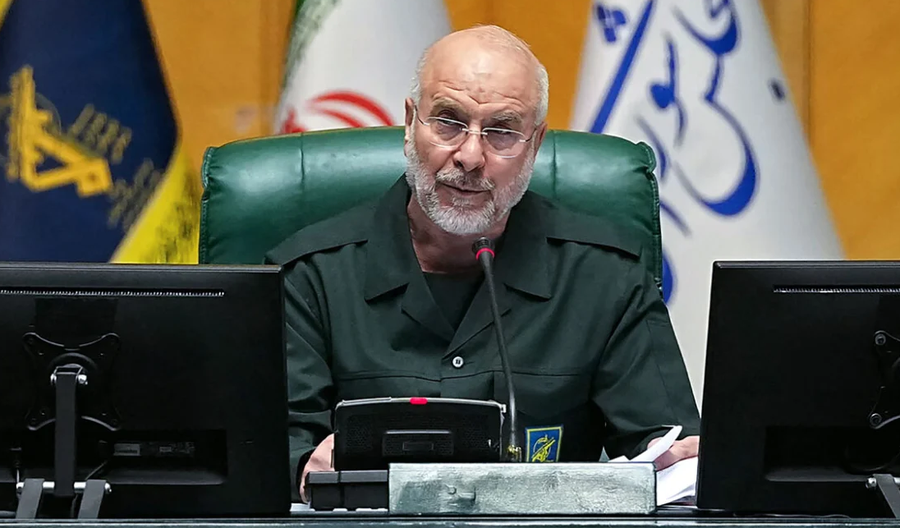
The speaker of the Iranian parliament, Mohammad Bagher Ghalibaf, who was also considered one of the key figures in the negotiations with the United States, has withdrawn from leading the talks with Washington, the news was reported by Israel's Channel 12, without citing specific sources.
According to this report, in recent hours there have been increasing signals of a deep crisis at the highest levels of power in Iran. Various sources cited by the media speak of one of the most serious clashes in recent years, which is directly affecting the country's ability to make strategic decisions, especially at a time of tension and the risk of escalating conflict.
The news reports that Ghalibaf, who had also managed complicated negotiations, including those in Pakistan, decided to withdraw due to the increasing interference of Revolutionary Guard generals in the negotiation process.
According to Channel 12, the clash escalated after a Qatari proposal to ease tensions in the Strait of Hormuz. The plan called for 20 Iranian ships to pass through the sea corridor in exchange for 20 ships from Arabian Gulf ports being allowed to pass.
However, this initiative was blocked by Iranian officials, including Foreign Minister Abbas Araghchi. Araghchi, who was previously considered an ally of Ghalibaf, reportedly aligned himself with the Revolutionary Guards' harder-line, preventing the agreement from being implemented.
Israeli media concludes that there is currently no single structure in Iran that is fully capable or authorized to make decisions on the most critical issues.
These claims have been indirectly refuted by Iranian President Masoud Pezeshkian, who in a public response stressed the unity of the country. “In Iran, there are no ‘hardliners’ or ‘moderates.’ We are all Iranians and revolutionaries,” he declared, underlining obedience to the supreme leader and unity between the state and the people.
He added that Iran will force any "aggressor" to repent for its actions, emphasizing a strong stance in foreign policy.
Interpretations of the situation remain divided: reports speak of internal tensions and rivalry for power, while Iranian authorities try to project stability and institutional unity.


Lini një Përgjigje