


 Shkruar nga Pamfleti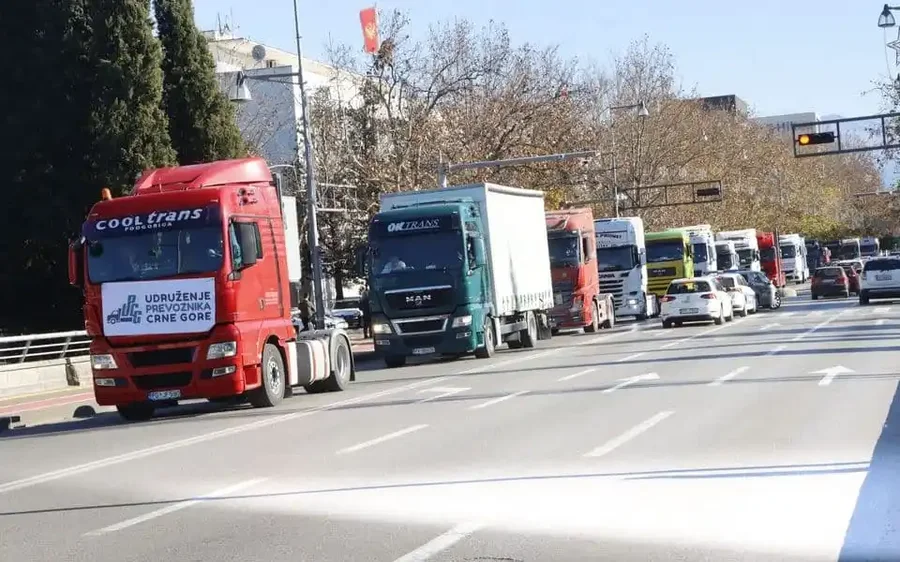
Western Balkan truck drivers will hold coordinated protests on January 26, blocking freight terminals at border crossings with neighboring Schengen countries, in protest against the European Union's new digitalized Entry/Exit System (EES).
The system, which replaces manual stamping of passports with biometric data, automated checks and digital tracking of short stays, is scheduled to become fully operational on April 10.
The new system is expected to cause significant delays at borders and prolong customs procedures, according to a press release issued by the Serbian Association of International Road Transporters, one of the main organizers of the protest.
The association also warns that the EES effectively classifies professional drivers who spend more than 90 days within a 180-day period in the EU as illegal workers, a situation that, according to it, "results in further sanctions and places both drivers and transport companies in a state of constant uncertainty regarding their survival", facing the risk of arrest, deportation and a significantly reduced ability to work.
The association has spent the past two years trying to reach an agreement with the European Commission, but without success, according to the press release. Similar concerns prompted protests by truck drivers in Bosnia and Herzegovina in September 2025.
The demonstrations, dubbed the “90/180” protests, were officially announced at a press conference on January 16 by representatives of the Serbian Association of International Road Transporters, the Logistics Consortium of Bosnia and Herzegovina, and the Association of International Freight Forwarders of Montenegro.
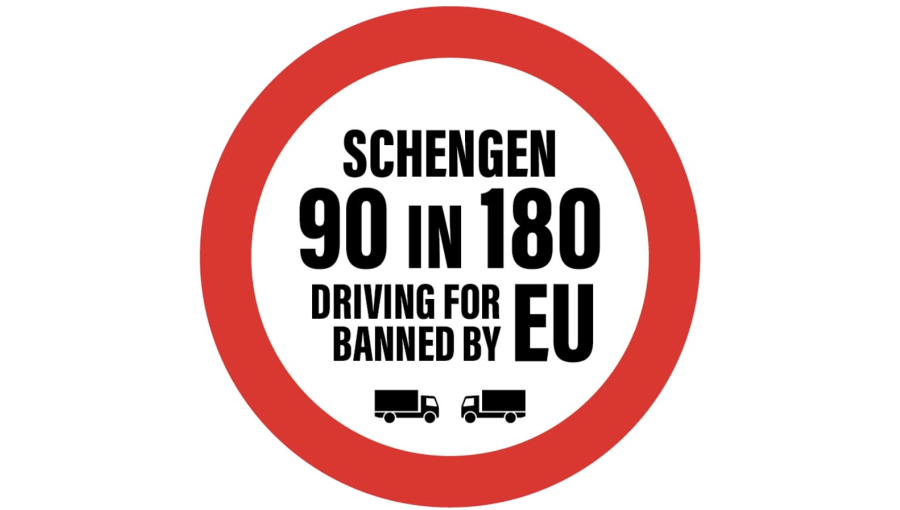
In a statement posted on its official Facebook page, the Serbian Association of International Road Transporters said it is seeking a clear legal distinction between “working” and “staying” in the EU, recognition of drivers' right to work across borders, and legal certainty that would protect drivers from arrest or deportation while performing their work.
The association warned that if the rules are implemented without changes, Western Balkan transport companies could face a severe shortage of drivers by mid-April. They say this would lead to a “complete collapse of the supply chain” and have far-reaching consequences for regional economies.
Road freight transport is an economic lifeline for the Western Balkans, supporting around €83 billion in annual trade with the EU in 2024, with the majority of goods being transported by land.
The sector accounts for about 2.4% of GDP in both Serbia and Bosnia. In Serbia alone, the industry is valued at more than 2 billion euros, supporting over 4,000 businesses and tens of thousands of workers, according to market research firm IBISWorld.
The impact is already being felt. Many transport companies have been forced to re-register in neighboring EU member states, such as Croatia and Slovenia, in order to continue operating.
According to the press release, the protests are expected to last at least a week and will begin simultaneously at several Serbian border crossings with Schengen countries. These include border crossings with Croatia along Serbia's northwestern border (including Batrovci, Nestin, Bačka Palanka, Bezdan, Bogojevo), with Hungary in the north (Bački Breg, Kelebija, Horgoš), Romania in the east (Srpska Crnja, Vatin, Djerdap) and Bulgaria in the southeast (Strezimirovci, Vrska Cuka, Gradina).
During a press conference on January 19, a European Commission spokesperson said in response to the protests that the Entry/Exit System does not introduce new rules, but is designed to ensure more effective implementation of existing ones.
The Commission said it is "monitoring the situation and remains in contact with Western Balkan partners", noting that there is room for "built-in flexibility", particularly with regard to cross-border workers.
However, no changes to the timeline for the implementation of the Electricity Energy System (EES) have been announced so far.






Lini një Përgjigje