


 Shkruar nga Pamfleti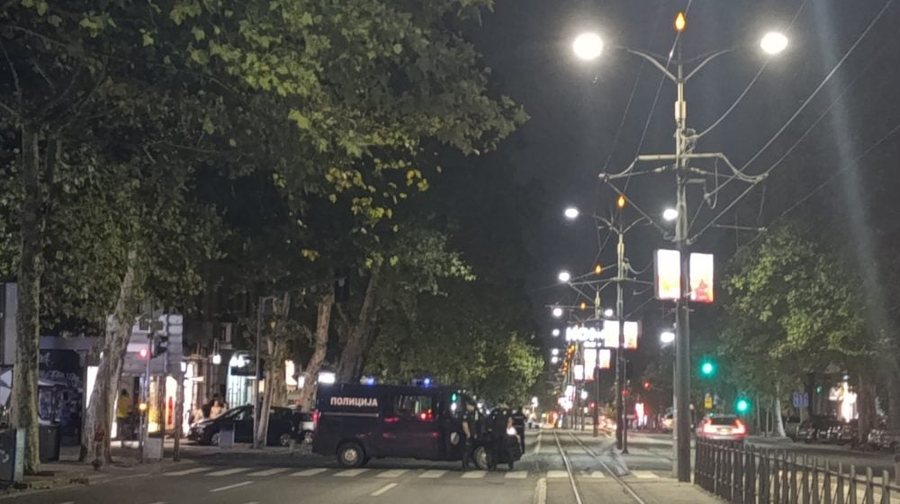
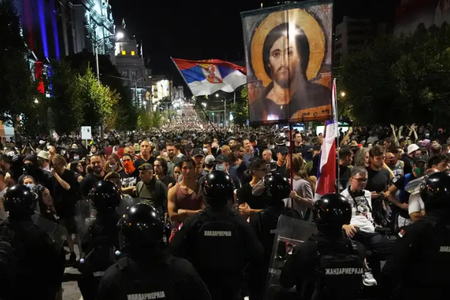
Monday evening, August 18, was the 7th night in a row when opponents of Aleksandar Vučić's regime protested in cities and towns across Serbia.
Reports indicate that 16 student protesters were arrested after yesterday's protest, during which the premises of the Municipal Committee of the Serbian Progressive Party of Palilula were attacked, Tanjug reports.
Earlier, the Minister of Internal Affairs, Ivica Dačić, stated that in Belgrade there were "a total of 2,300 to 2,400 protesters who drastically disrupted public order and peace" and "with their aggressiveness they showed that they intend to demolish, set fire to SNS premises and attack the police."
Protest rallies were held in several cities in Serbia last night. A group of demonstrators threw stones at the window of the SNS premises on Cvijićeva Street in Belgrade. After that, a vehicle with members of the Gendarmerie appeared and crushed the demonstrators.
But it seems that violent clashes between anti-government demonstrators, regime supporters and riot police have become a bedtime routine.
Initially sparked by a tragic incident at a railway station in Novi Sad, when a platform collapsed, killing 16 people, the protests were initially fueled by anger and a demand for accountability. For most of the nine months, the demonstrations were peaceful and gained considerable public sympathy.
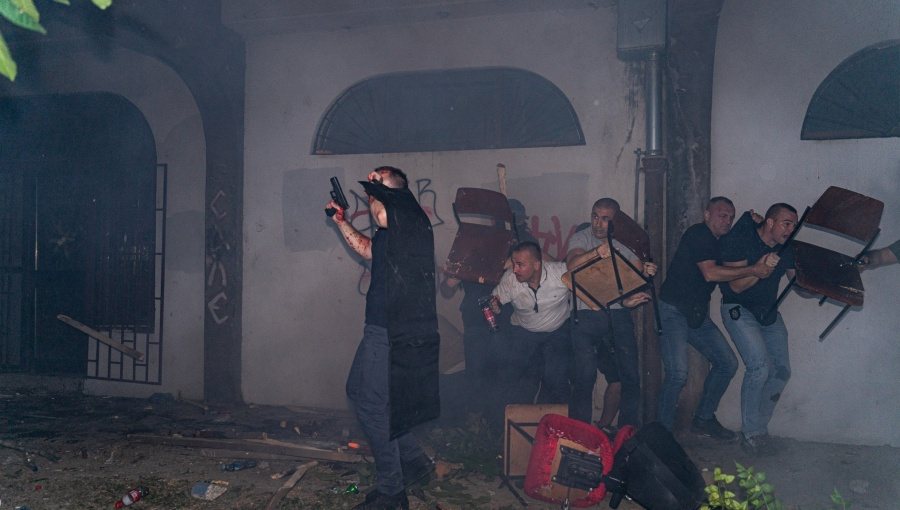
However, since last Tuesday, August 12, violent confrontations have become a daily occurrence, spreading from smaller towns like Vrbas and Bačka Palanka to Belgrade, Novi Sad, and Valjevo.
The nature of the protests has changed. Demonstrators have set fire to and vandalized the offices of the ruling Serbian Progressive Party (SNS). Meanwhile, reports of police brutality and the detention of minors have fueled public anger.
Pro-government supporters have been implicated in starting the violence, with footage showing them attacking protesters while riot police are on standby.
The shift to violence is fueled by a number of factors, including the frustration and desperation of protesters whose demands remain unmet despite months of activism.
The government's tough stance appears to be calculated to provoke and discredit the protest movement by portraying it as violent and illegal. The administration of President Aleksandar Vučić has branded the protesters as separatists or agents of a foreign-sponsored "color revolution" from the start.
Koha e verës ka të ngjarë të ketë ndikuar në këtë strategji. Me shumë banorë me pushime, qeveria mund të ketë kërkuar të izolojë protestuesit dhe të minojë mbështetjen e tyre publike. Përfshirja aktive e grupeve të armatosura pro-qeveritare në sulmet ndaj demonstruesve sugjeron një përpjekje të orkestruar për të ndryshuar dinamikën e protestës nga mospajtimi paqësor në konfrontim të dhunshëm, me shpresën për të dobësuar simpatinë publike dhe për të justifikuar represionin.
Në të njëjtën kohë, opozita mbetet e fragmentuar dhe pa një udhëheqje apo platformë të qartë. Lëvizja studentore ka shmangur me vetëdije aleancat formale me partitë tradicionale të opozitës, shumë prej të cilave vuajnë nga mbështetja e ulët publike dhe dobësia organizative. Ky fragmentim kufizon ndikimin politik të lëvizjes së protestës dhe ndërlikon perspektivat për një sfidë të unifikuar ndaj SNS-së.
Përshkallëzimi aktual e fut Serbinë në një periudhë pasigurie të qëndrueshme politike. Presidenti Vuçiç nuk e ka përjashtuar mbajtjen e zgjedhjeve para afatit të vitit 2027, por lëvizjet e ardhshme të regjimit të tij mbeten të paqarta.
Zgjedhjet, ndonëse ka të ngjarë të qetësojnë tensionet, duken të pamundura nëse SNS nuk është e sigurt për ruajtjen e shumicës së saj parlamentare. Sondazhet e fundit të opinionit tregojnë rënie të mbështetjes për Vuçiçin dhe SNS-në, duke i bërë zgjedhjet e parakohshme një propozim të rrezikshëm për regjimin.
Pa një alternativë të besueshme të opozitës, durimi publik rrezikon të shteret. Pjesëmarrja në protesta, megjithëse ende e konsiderueshme, ka rënë nga kulmet e mëparshme, dhe trazirat e vazhdueshme prishin jetën normale dhe ekonominë. Megjithatë, përhapja gjeografike dhe shkalla e protestave sinjalizojnë se ankesat themelore ndihen thellë.
Nga jashtë, Serbia mbetet e kufizuar nga angazhimi i kujdesshëm perëndimor. BE-ja dhe aktorë të tjerë perëndimorë vazhdojnë ta shohin Vuçiçin si një prani stabilizuese në një rajon të paqëndrueshëm, duke kufizuar presionin e jashtëm për reforma politike substanciale. Në këtë kontekst, Serbia ka të ngjarë të përjetojë një fazë të zgjatur trazirash me intensitet të ulët dhe ngërç politik në vend të një zgjidhjeje të shpejtë.
Ekonomikisht, perspektiva është e dobët. Besimi i investitorëve është zbehur për shkak të trazirave politike dhe perspektivat e rritjes janë dobësuar . Toleranca e regjimit ndaj korrupsionit dhe politizimi i institucioneve kanë minuar arritjet e dekadës së kaluar, të cilat kishin forcuar bazën kryesore të mbështetjes së SNS-së.
Në fund të fundit, protestat e Serbisë pasqyrojnë një konflikt më të thellë shoqëror, një përplasje midis një popullsie gjithnjë e më të zhgënjyer nga qeverisja autokratike dhe një elite sunduese të vendosur për të ruajtur pushtetin.
The regime’s gamble on repression and division carries high risks. If violence escalates further or a fatal incident occurs, the fragile political balance could be disrupted, potentially triggering a broader crisis. Conversely, if the government’s harsh tactics succeed in intimidating the opposition and fracturing public resolve, the unrest could fade without political change.
For now, Serbia remains a case study in the limits of authoritarian resistance within a formally democratic framework, a flawed democracy where economic progress coexists unsustainably with popular discontent and civil unrest. The coming months will test whether Serbia's fragile social contract can withstand the pressure or whether it will crack under the pressure of popular discontent. /Adapted Pamphlet/




Lini një Përgjigje