


 Shkruar nga Pamfleti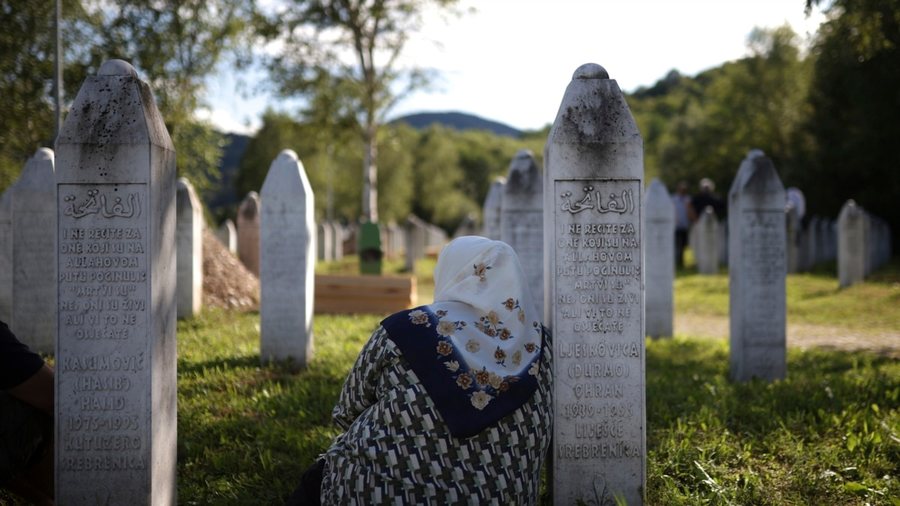
The resolution on Srebrenica, which declares July 11 as the International Day of Remembrance of the genocide committed against Bosniaks in that area during the conflict in the former Yugoslavia, is expected to be the subject of debate and voting in the United Nations General Assembly.
The period leading up to the debate was filled with consultations at the headquarters of the United Nations, active lobbying by supporters and opponents of the Resolution, as well as sharp statements by critics led by the Russians, representatives of Serbia and the Bosnian Serb Republic.
Until the vote, member states of the General Assembly have the opportunity to submit amendments to the proposed text, which was drafted by Germany and Rwanda. The organization's leadership has made its position on this issue clear.
" The fact that genocide was committed in Srebrenica has been confirmed by the court. Whenever I'm asked if it's proven, I say yes. So, these facts, for us, have not changed. The member states will declare on this according to their views ", said Stéphane Dujarric, spokesman of the Secretary General of the United Nations Antonio Guterres.
The possibility of the adoption of a resolution by which the member states of the United Nations would confirm that in the area of Srebrenica in July 1995 a genocide was committed against the Bosniaks, alarmed a part of the Balkan opinion and provoked the strong reaction of the officials of Serbia and Serbian Republic. It also faced strong opposition from Russia, a country with which Serbia and Republika Srpska maintain close political, economic and military ties. Experts see the attempt to debate and vote on the draft resolution as a symbolic move, without any negative consequences, especially since it relies on long-established facts about the events of July 1995.
" It is up to the actors to put it in a framework that suits their interests. I see it as a step towards reconciliation, because it would mean a symbolic acceptance that the events in Srebrenica constitute genocide, which was the subject of several decisions by international courts. It is clear that some politicians are trying to use this moment as a tool to escalate tensions. However, it is the responsibility of the resolution or the politicians…. I would disagree that the resolution itself incites tensions ," David Simon, director of the Genocide Studies Program at Yale University, told VOA.
Dozens of countries around the world have decided to support or co-sponsor the draft resolution, including the United States.
"( The draft resolution) recalls a historical fact at a time when genocide is increasingly denied in the region and war criminals are glorified. Its co-sponsors believe that an important moment has come to commemorate that historical event on a larger scale It really shouldn't be a challenge, because it doesn't single out any country or people, except for the criminals who committed that crime ," is the view of Mr. Gabriel Escobar, the US Deputy Secretary of State and the US envoy for the Western Balkans.
On the other hand, Russia strongly opposes the draft resolution, demanding its withdrawal. In New York, in coordination with Serbia, she actively lobbied for this.
" It cannot ensure national reconciliation in Bosnia and Herzegovina, but can only increase discord in that country and in the Balkans as a whole. The document carries an accusation against the Serbs, which is clear. The resolution does not directly accuse the Serbian people, but refers to the decisions of the International Court for the former Yugoslavia, as well as the opinion of the International Court of Justice for Srebrenica, which can hardly be called fair in relation to the Serbs . said spokeswoman for the Ministry of Foreign Affairs of Russia, Maria Zakharova.
At the beginning of May, at the request of Russia, an extraordinary session dedicated to Bosnia and Herzegovina was held in the Security Council, in which the same tones of the Russian representatives were heard. Serbia was represented in that session by Marko Djuric, in the capacity of the special envoy of the president of Serbia, Aleksandar Vucic.
" The resolution is not comprehensive and denies justice to the majority of war victims. The Republic of Serbia has consistently and firmly condemned all the crimes of the tragic conflict, and especially the massacre in Srebrenica, a terrible event that stands out for its cruelty. In 2010, the Serbian Parliament adopted a statement condemning the crime. Two presidents of Serbia participated in the commemorations at the "Potoçari" Memorial Center, and its representatives also participated in the commemorations at the United Nations in New York ," Marko Djuric said in that session.
Official Belgrade, despite several judgments of international courts which prove that genocide was committed against Bosniaks in Srebrenica in 1995, does not recognize this and characterizes the event as a crime of massive proportions.
Russia, which is waging brutal aggression against its first neighbor Ukraine for the third year, strongly supports regional politics and the positions of the Serbian leadership. Nine years ago she blocked in the Security Council the adoption of the Resolution on Srebrenica, which condemned the genocide committed against Bosniaks.
“Ajo është gjithnjë e më e përfshirë në marrëdhëniet ndërkombëtare në të gjithë Evropën dhe shpesh nuk përdor kanalet e tij diplomatike për këtë, por mjetet përmes të cilave zhvillon luftën informative. Nuk dua të ndalem te akuzat ndaj saj për dezinformim, por dua të tërheq vëmendjen në nxitjen e pikëpamjeve populiste dhe nacionaliste, qëllimi i të cilave është dëmtimi i Evropës së bashkuar liberale”, nënvizon David Simon nga Universiteti Yale.
Karakteri antiserb i projektrezolutës, që do t'i etiketojë serbët dhe Serbinë si komb gjenocidal, është rrëfim i zyrtarëve të shumtë të Serbisë, Republikës Serbe dhe Rusisë, që kundërshtojnë debatin dhe miratimin në Asamblenë e Përgjithshme të Kombeve të Bashkuara. Teksti i propozuar, në të cilin Zëri i Amerikës kishte qasje, nuk përmend asnjë lloj përgjegjësie të asnjë kombi apo shteti, por, ndër të tjera, bën thirrje për dënimin pa rezerva të mohimit të gjenocidit në Srebrenicë. Dokumenti dënon gjithashtu veprimet që lavdërojnë të dënuarit për krime lufte, krime kundër njerëzimit dhe gjenocid, përfshirë ata që janë përgjegjës për gjenocidin në Srebrenicë.
“Zyrtarët si (Milorad) Dodik, ata në Beograd dhe të mos harrojmë Moskën, do të përpiqen të mohojnë faktet e vërtetuara, ose të flasin për to sa më pak të jetë e mundur. Megjithatë, e gjithë kjo tashmë është në procesverbalet gjyqësore", thotë për Zërin e Amerikës James Gow, profesor në King's College të Londrës.
Pretendimet e Milorad Dodikut, politikanit të sanksionuar nga Shtetet e Bashkuara për korrupsion dhe kërcënim ndaj tërësisë tokësore të Bosnjë se Republika Serbe mund të shkëputet nëse rezoluta miratohet, eksperti britanik i vlerëson si teprim.
“Dyshoj se do ta bëjë një gjë të tillë, por asgjë nuk duhet përjashtuar. Nëse ai do ta bënte këtë, do të ishte një reagim i tepruar ndaj diçkaje të mbështetur nga pjesë të qeverisë së përbashkët shtetërore në Sarajevë. Bëhet fjalë për kujtesën ndërkombëtare, për të cilën pres që të votohet në Asamblenë e Përgjithshme të Kombeve të Bashkuara, pavarësisht ndarjeve të mprehta. Pala që nuk e pranon mund ta injorojë, sikundër shumë aktorë që kthejnë kokën nga gjëra ndoshta edhe më të rëndësishme”, vlerëson profesor Gow.
Nga vendet e Ballkanit Perëndimor, Shqipëria, Bosnja, Kroacia, Maqedonia e Veriut dhe Sllovenia janë ndër bashkëhartueset e projektrezolutës.
Përderisa Beogradi zyrtar e kundërshton dhe punon kundër saj, një pjesë e opinionit në Serbi nga organizata joqeveritare kundër luftës, si dhe disa politikanë të opozitës, bëjnë thirrje për pranimin dhe miratimin e projektrezolutës.
" The only way to judge an entire nation as genocidal is when someone mobilizes it to support and glorify the criminals and those who committed that crime. If the opposite were to happen, then it would be quite obvious; what is clear from the trials is that it is not about the punishment of an entire nation ," Olga Kavran, former spokeswoman for the Hague Court's prosecution, told the Voice of America.
The Montenegrin authorities did not join the majority of the Balkan countries in approaching the draft resolution on Srebrenica. Mixed signals and half-information were spread after Prime Minister Milojko Spajic announced that Montenegro would support that document at the United Nations. He also noted that all resolutions condemning genocides and crimes in the territory of the former Yugoslavia will be voted on.
However, for a significant part of local public opinion and civil society, this is not enough.
" We believe that voting alone is not enough, because it is also our responsibility in the first place for future generations and our children. This inevitably means confronting the past, accepting the facts established by international and national courts. And based on those facts, preserving the memory, learning about it, and preventing the recurrence of such horrors. For us it was an indisputable issue to wait for the government to simply accept it ," Tea Gorjanc Prelevic from the non-governmental organization "Action for Human Rights" told VOA.
The Hague-based International Court of Justice, in a 2007 judgment following Bosnia and Herzegovina's lawsuit against the Federal Republic of Yugoslavia, held Serbia responsible, which, in the court's opinion, failed to prevent and punish the crime of genocide in Srebrenica in July 1995, while the direct perpetrators of the genocide, it was said in the decision, are the army and the police of the Republika Srpska.
With that verdict, the mass killings of more than 8,000 citizens of Bosniak nationality in Bosnia and Herzegovina were determined to be genocide, and it was established that the then authorities in Belgrade did not commit, participate in, or encourage the commission of genocide during the war in Bosnia and Herzegovina. .
The former president of the Republika Srpska, Radovan Karadzic, and the former commander of the Army of the Republika Srpska, Ratko Mladic, were sentenced to life imprisonment.
The resolutions of the General Assembly of the United Nations are not binding, but are interpreted as documents with political weight and reflect the views of the member countries of that mechanism on the issue included in the adopted resolutions. / VOA


Lini një Përgjigje